Sourcing rubber antiozonant blends from China
Prepared rubber antiozonant blends classified in heading 3812 carry 0% UK duty from China across the relevant lines. Check UK REACH registration for constituent substances and correct labelling and packaging before GB supply. Cambridge China Bridge sources prepared rubber antiozonant blends.
Buying from China for a business? How our UK China sourcing agent service works · China sourcing agent for UK manufacturers and engineering firms
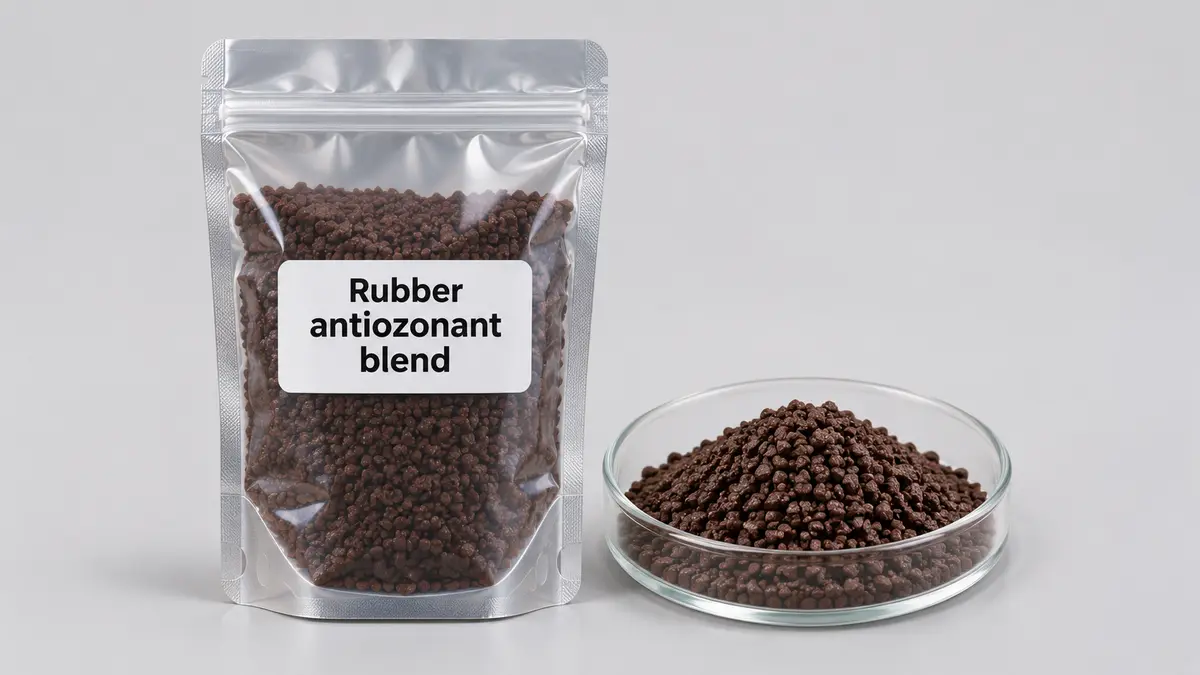
0% duty on the relevant preparations
Read from the UK Trade Tariff on 1 October 2026, heading 3812 covers prepared rubber accelerators, compound plasticisers and anti-oxidising preparations or other compound stabilisers. For prepared rubber antiozonant blends, examine the anti-oxidising preparations and other stabilisers branches against the actual formulation. The table repeats these broad tariff lines for powder and granulated forms; these are buying formats, not separate commodity codes.
The supplied tariff data shows 0% duty for goods from China throughout this heading, with no listed anti-dumping or countervailing duties, suspensions or attached import controls. Chemical supply obligations still need checking: UK REACH registration applies to substances within mixtures, and chemicals must be correctly labelled and packaged before being placed on the GB market.
Confirm the commodity code using the complete composition, carrier and intended function. A single chemically defined substance should not automatically be treated as a prepared blend. See the wider polymer antioxidant blends guide for related preparations.
| Goods | Commodity code | Duty | Anti-dumping or countervailing duty on China |
|---|---|---|---|
| Anti-oxidising preparations for rubber, powder blends | 3812 39 10 00 | 0% | None |
| Other compound stabilisers for rubber, powder blends | 3812 39 90 90 | 0% | None |
Specify the blend and its ozone protection
Specify each active ingredient and its agreed content, the carrier, physical form, moisture, ash and melting range where relevant. Ask for the complete formulation, an English safety data sheet and a batch certificate of analysis. Match the offered material to your existing grade rather than accepting a supplier's claim that it is equivalent.
Agree a comparison in your own rubber compound: dispersion, cure behaviour, ozone cracking under agreed exposure and strain, and any unacceptable staining or surface bloom. Record the mixing procedure and acceptance criteria so the factory and your laboratory compare the same material.
Check whether constituent substances require UK REACH registration. Registration concerns substances in the mixture, rather than simply the blend's trade name. Arrange a review of the hazard classification, labels and packaging before GB supply.
Worked duty example
Illustrative example, not a quote: Illustrative order: 16 tonnes of prepared rubber antiozonant blend, assuming classification as other compound stabilisers under 3812 39 90 90, invoiced at £32,000 free on board, with £1,600 of freight and insurance to the UK. The customs value is £33,600. Duty at 0% is £0. Import VAT at 20% is charged on the customs value plus duty, £33,600, so it is £6,720. With no duty, the only import tax is the VAT, which a VAT-registered importer can usually reclaim. The import duty and VAT guide explains each step.
Inspection checklist
Identity: match bag labels, batch numbers and the certificate of analysis to the approved formulation; investigate any changed ingredient or carrier.
Analysis: check active content, moisture and agreed physical properties against the purchase specification using representative batch samples.
Compound trial: compare dispersion, cure behaviour, ozone cracking, staining and bloom with the approved sample in your own rubber formulation.
Packing and paperwork: check seals, moisture damage, caking and excessive fines; review hazard labels, packaging and the English safety data sheet. Plan sampling through our quality inspection guide.
Working out your own order? Send us the product on WhatsApp and we reply the same working day: WhatsApp us
What goes wrong
An unchanged trade name can conceal a changed active ratio or carrier. A blend may meet a bulk assay yet perform differently in your compound. Treat poor dispersion, unexpected staining, surface bloom or failed ozone trials as reasons to investigate before accepting the batch.
Powders can cake and granules can arrive with excessive fines. Keep an approved reference sample and compare incoming batches before production use. Missing formulation details also obstruct commodity classification and the review of substance registration, labels and packaging.
Cambridge China Bridge sources these products for UK businesses, checking the factory and the documents before shipment. See factory verification. For repeat volumes, see container programmes.
Frequently asked questions
What is the UK import duty on rubber antiozonant blends from China?
The supplied tariff data shows 0% duty on the relevant heading 3812 lines, with no listed anti-dumping or countervailing duties. Confirm classification from the actual formulation.
Does UK REACH apply to an imported antiozonant blend?
Registration applies to substances within mixtures. Check the registration position of the constituent substances rather than relying on the blend's trade name.
Can I use the same code for a pure antiozonant?
Do not assume so. Heading 3812 covers preparations and mixtures; a single chemically defined substance needs a separate classification check.
How do I check whether a replacement blend works?
Compare it with the approved grade in your own rubber compound. Check dispersion, cure behaviour, ozone cracking, staining and surface bloom against agreed acceptance criteria.