Sourcing chickpea flour from China
Plain chickpea flour from China attracts 6% UK import duty under 1106 10 00 00. The black gram dhal flour suspension does not cover chickpea flour. Importers must ensure food is safe and legal before import into Great Britain; organic imports also need an inspection certificate. Cambridge China Bridge sources chickpea flour.
Buying from China for a business? How our UK China sourcing agent service works · China sourcing agent for small orders and first imports
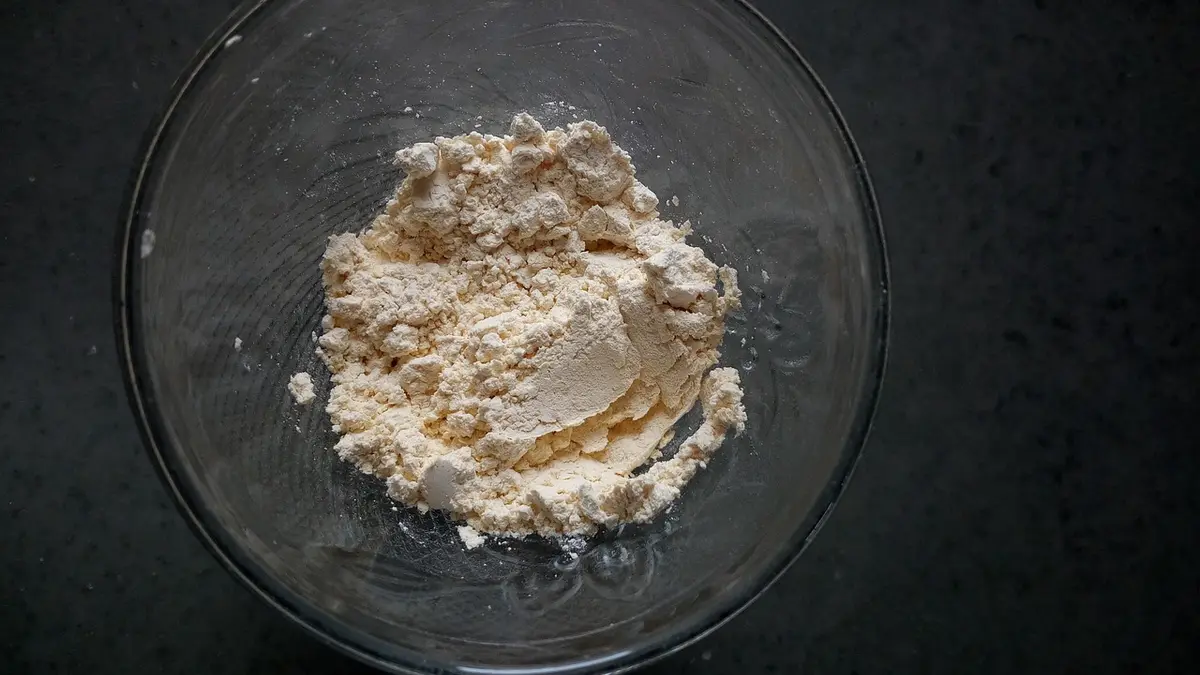
Chickpea flour duty and organic controls
Read from the UK Trade Tariff on 29 September 2026, heading 1106 covers flour, meal and powder of dried legumes and other specified plant products. Plain chickpea flour falls within 1106 10 00 00. The table shows purchasing specifications sharing this commodity line. For the wider heading, see pea flour.
The supplied tariff record gives a 6% duty for goods from China and lists no anti-dumping or countervailing duty. Its suspension applies specifically to black gram dhal flour made from Vigna Mungo, so it does not cover chickpea flour. The tariff also attaches an organic-products import control. Organic chickpea flour imported from China into Great Britain requires a Great Britain certificate of inspection, issued by the exporter’s control body.
Confirm the ingredients and processing before declaring the goods. Ask your customs broker to check a blended or prepared product separately and confirm the organic documentation for the shipment. Use finding your commodity code to organise the classification check.
| Goods | Commodity code | Duty | Anti-dumping or countervailing duty on China |
|---|---|---|---|
| Plain chickpea flour, finely milled | 1106 10 00 00 | 6% | None |
Specify the chickpeas, milling and cooking performance
Specify chickpea flour explicitly rather than ordering an unspecified gram flour. Agree whether the chickpeas are whole or dehulled, the milling fineness, colour and whether any other flour or additive is included. Ask the factory to identify the raw-material source and describe any heat treatment.
Approve a sample in your intended batter, flatbread or other recipe. Compare water absorption, mixing behaviour, cooked texture and flavour. Agree moisture, microbiological and contaminant acceptance criteria with your food adviser or laboratory, then request batch-specific results. Importers must ensure their goods are safe and legal before import into Great Britain.
Worked duty example
Illustrative example, not a quote: Illustrative small-business order of catering sacks shipped as consolidated cargo under 1106 10 00 00, invoiced at £1,000 free on board, with £100 of freight and insurance to the UK. The customs value is £1,100. Duty at 6% is £66. Import VAT at 20% is charged on the customs value plus duty, £1,166, so it is £233.20. Import taxes total £299.20; a VAT-registered importer can usually reclaim the VAT, so the lasting cost is the £66 of duty. The import duty and VAT guide explains each step. This assumes the goods are standard-rated for VAT. Most food for human consumption is zero-rated, and animal feed can be too, in which case no import VAT is due, so check the rate for your product in HMRC's VAT Notice 701/14.
Inspection checklist
Identity: compare the declared ingredients, raw-material records and batch sample with the approved chickpea flour specification.
Powder: check milling consistency, colour, odour, foreign material and hard lumps; repeat the agreed cooking trial.
Packaging: inspect sack seams, inner liners and pallet wrapping for tears, dampness, powder leakage and evidence of pests.
Records: match sack batch markings to the analysis report and delivery paperwork; compare the printed labels with the approved artwork and obtain the inspection certificate for organic goods.
Working out your own order? Send us the product on WhatsApp and we reply the same working day: WhatsApp us
What goes wrong
An ambiguous gram-flour description can leave the buyer and mill working to different raw materials. A change in dehulling or milling can alter colour, water absorption and cooked texture. Keep an approved sample and written recipe test so replacement batches can be compared.
Damp sacks and damaged liners can leave flour caked or tainted. Separate affected stock for assessment before use. If the mill also handles wheat, investigate shared equipment and cleaning before approving a gluten-free claim. Check organic paperwork before dispatch; a factory certificate should not be treated as the shipment’s inspection certificate.
Cambridge China Bridge sources these products for UK businesses, checking the factory and the documents before shipment. See factory verification. For repeat volumes, see container programmes.
Frequently asked questions
What is the UK import duty on chickpea flour from China?
Plain chickpea flour under 1106 10 00 00 attracts 6% duty in the supplied tariff record. The black gram dhal flour suspension does not cover chickpea flour.
What paperwork does organic chickpea flour need?
For imports from China into Great Britain, obtain a Great Britain certificate of inspection issued by the exporter’s control body. Confirm shipment arrangements with your customs broker.
Is gram flour always the chickpea flour I need?
Do not rely on the name alone. Specify chickpeas, whole or dehulled material, milling fineness and any added ingredients, then approve a sample in your intended recipe.
How should I check chickpea flour when it arrives?
Match batch markings and analysis reports, inspect sacks and liners for dampness or damage, and compare odour, colour, milling and cooking performance with the approved sample.