Sourcing Braille paper from China
Blank, uncoated Braille paper under heading 4802 carries 0% UK duty across the listed lines from China. Confirm with the relevant authority whether paper made from virgin wood fibre requires timber due diligence before placing it on the Great Britain market. Approve the sheet size, stiffness and raised-dot performance on your embosser. Cambridge China Bridge sources Braille paper.
Buying from China for a business? How our UK China sourcing agent service works · China sourcing agent for small orders and first imports
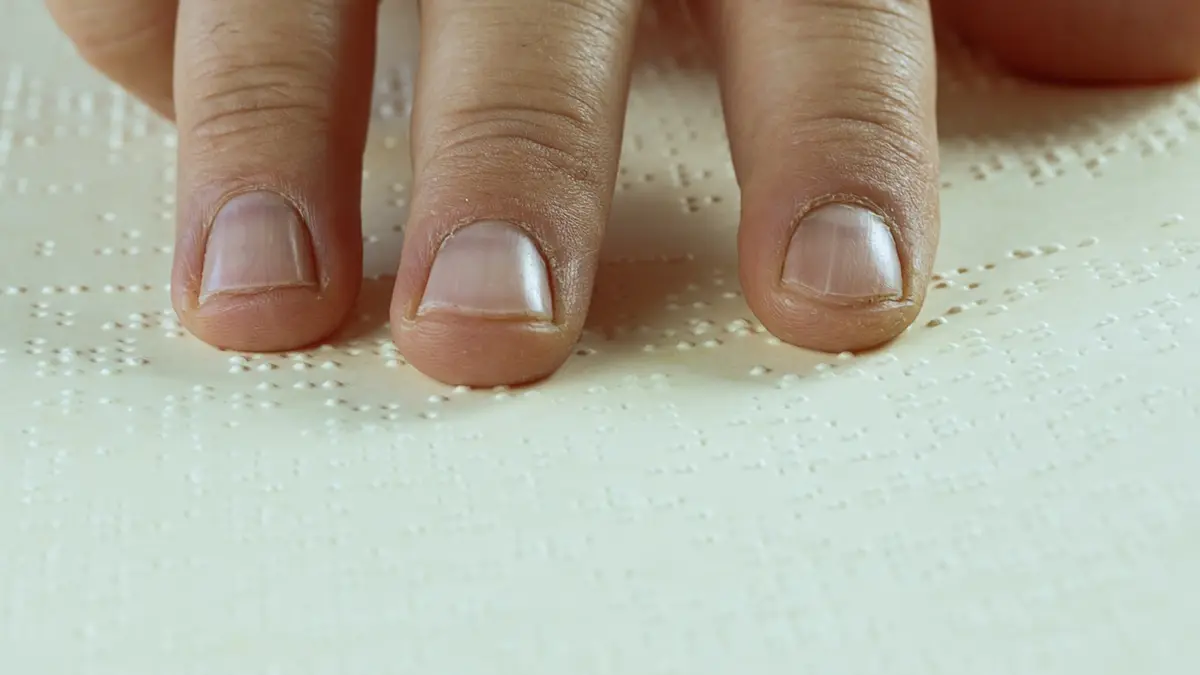
Zero duty on uncoated Braille paper
Heading 4802 covers uncoated paper and paperboard for writing, printing or other graphic purposes, in rolls or rectangular sheets. This guide concerns blank paper bought for Braille embossing. The table selects sheet grades with no more than 10% mechanical or chemi-mechanical fibre by total fibre weight. For other paper grades, see the copier and printing paper guide.
Read from the UK Trade Tariff on 1 October 2026, all listed lines carried 0% duty for goods from China. The supplied tariff record shows no anti-dumping or countervailing duty, suspensions or attached import controls. Timber due diligence for virgin wood fibre still applies when placing the paper on the Great Britain market.
Confirm the commodity code using the fibre composition, grammage, unfolded sheet dimensions and supplied form. Braille use alone does not identify the tariff line. Give your customs broker the mill specification and a sample description, particularly for punched feed stock.
| Goods | Commodity code | Duty | Anti-dumping or countervailing duty on China |
|---|---|---|---|
| Low mechanical-fibre sheets, 297 × 210 mm, 40–150 g/m² | 4802 56 20 00 | 0% | None |
| Other low mechanical-fibre sheets within 435 × 297 mm, 40–150 g/m² | 4802 56 80 00 | 0% | None |
| Larger low mechanical-fibre sheets, 40–150 g/m² | 4802 57 00 00 | 0% | None |
| Low mechanical-fibre sheets weighing more than 150 g/m² | 4802 58 90 00 | 0% | None |
Specify paper for your Braille embosser
Specify blank, uncoated paper, grammage and tolerance, thickness, stiffness, grain direction, sheet dimensions and squareness. Identify the embosser and whether the job uses single-sided or double-sided embossing. Agree feed format and any hole positions separately. Approve a sample on the intended machine, checking distinct dots, resistance to tearing and readability after handling.
Ask for the fibre mix, mill identity, moisture results and batch traceability. For paper made from virgin wood fibre, confirm with the relevant authority the timber due-diligence obligations of the importer first placing it on the Great Britain market. Collect the tree species, country of harvest and evidence of legal sourcing before shipment.
Worked duty example
Illustrative example, not a quote: Illustrative pallet order of blank, uncoated Braille sheets over 150 g/m² under 4802 58 90 00, invoiced at £3,000 free on board, with £1,500 of freight and insurance to the UK. The customs value is £4,500. Duty at 0% is £0. Import VAT at 20% is charged on the customs value plus duty, £4,500, so it is £900. With no duty, the only import tax is the VAT, which a VAT-registered importer can usually reclaim. The import duty and VAT guide explains each step.
Inspection checklist
Sheets: measure dimensions, squareness, grammage and thickness against the approved specification; check cut edges for dust and burrs.
Embossing: run production samples through the intended machine; check feeding, dot definition, tearing and double-sided readability with a Braille reader.
Handling: compare raised dots before and after repeated reading and stacking; reject samples that flatten or split against the agreed acceptance criteria.
Packing: check sheet counts, batch labels, moisture-barrier wrapping and protection against bent corners; inspect arriving packs for dampness and curl.
Working out your own order? Send us the product on WhatsApp and we reply the same working day: WhatsApp us
What goes wrong
A sheet can match the ordered grammage yet emboss poorly because its thickness, stiffness or fibre mix differs from the approved sample. Dots may flatten, split the surface or interfere with reading on the reverse. Curl, dusty edges and inaccurate cuts can disrupt feeding. Keep an approved embossed sample and compare each production batch with it.
Damp packs and crushed corners can make otherwise acceptable stock unusable. Agree packing and arrival checks before ordering, and retain batch records for any rejected stock. Use the quality inspection guide to define the checks.
Cambridge China Bridge sources these products for UK businesses, checking the factory and the documents before shipment. See factory verification. For repeat volumes, see container programmes.
Frequently asked questions
What is the UK import duty on Braille paper from China?
The supplied tariff record, read on 1 October 2026, shows 0% duty across the listed heading 4802 lines, with no anti-dumping or countervailing duty.
Does Braille paper need timber due diligence?
Confirm with the relevant authority whether timber due diligence is required for paper made from virgin wood fibre placed on the Great Britain market. Obtain the fibre source, tree species, country of harvest and legal-sourcing evidence.
Can ordinary copier paper replace Braille paper?
Approve it only after an embossing trial. Matching grammage does not establish dot durability, stiffness, feeding performance or readability on both sides.
What should I check when Braille paper arrives?
Check dimensions, sheet counts, dampness, curl and damaged corners. Emboss samples on the intended machine and compare the dots and feeding with the approved sample.