Sourcing animal feed pellet mills from China
Animal feed pellet mills and relevant machinery parts from China carry 0% UK duty, with no anti-dumping or countervailing duty recorded for the selected lines. Pellet mills need CE or UKCA marking and guarding under the machinery safety rules. Specify performance using your feed recipe. Cambridge China Bridge sources animal feed pellet mills.
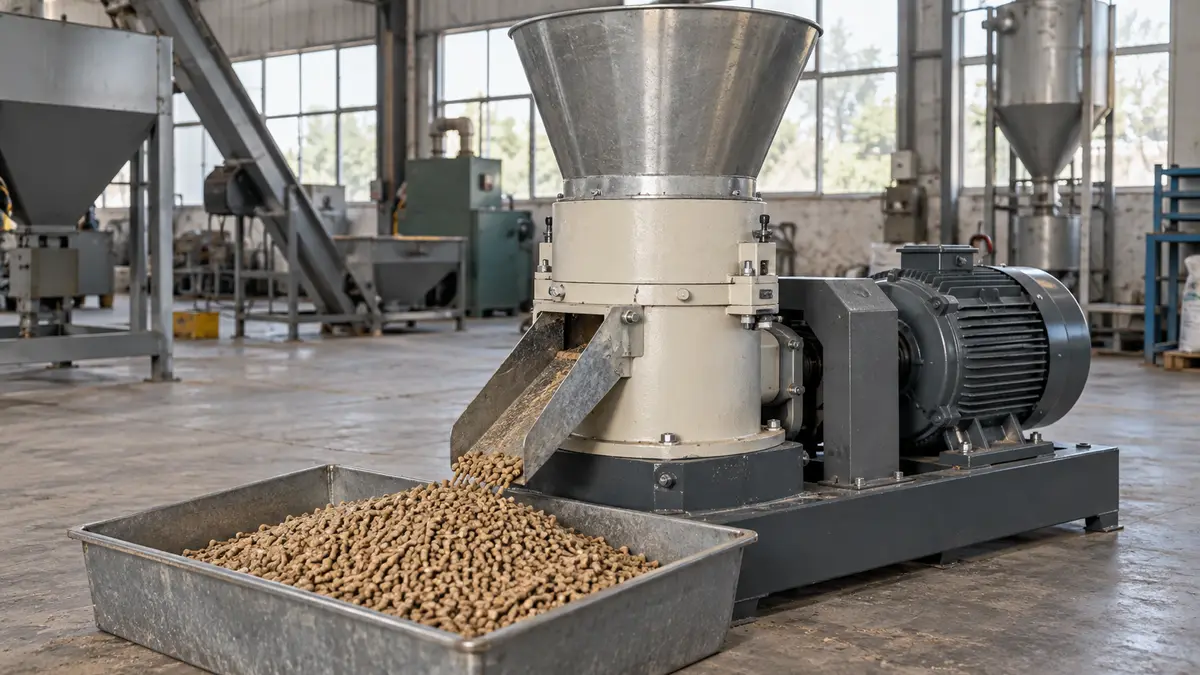
Duty on animal feed pellet mills
Heading 8436 includes machinery for preparing animal feedingstuffs. Animal feed pellet mills fall within 8436 10 00 00, alongside feed mixers. The table shows equipment choices sharing that tariff line and a separate parts line; these are not separate tariff categories for each die type. For the wider heading, see egg incubators and poultry equipment.
Read from the UK Trade Tariff on 11 October 2026, the selected machinery and parts lines carry 0% duty for goods from China. The supplied tariff record lists no anti-dumping or countervailing duty, suspension or attached import control for these lines. Import VAT is normally 20%; see import duty and VAT.
Confirm the commodity code against the actual machine function and shipment contents. Have separately supplied dies, rollers, motors and other spares classified individually rather than assuming that every spare belongs in the machinery parts line.
| Goods | Commodity code | Duty | Anti-dumping or countervailing duty on China |
|---|---|---|---|
| Flat-die animal feed pellet mills | 8436 10 00 00 | 0% | None |
| Other parts of animal feed machinery, subject to classification | 8436 99 00 90 | 0% | None |
Specify the feed recipe, die and drive
State whether you need a flat-die or ring-die machine, your feed ingredients and moisture condition, pellet diameter, required output and available electrical supply. Agree an acceptance trial using representative feed. Record saleable pellet output, fines, motor load and pellet condition after cooling, rather than accepting output claims based on a different recipe.
Specify die material, hole geometry, roller adjustment, bearings, lubrication access and cleaning access. Agree the drawings and part identifiers for replacement dies and rollers. Ask whether the offer includes conditioning, cooling and screening equipment or only the pellet mill.
Confirm with the relevant authority whether the feed pellet mill falls under the Supply of Machinery (Safety) Regulations 2008 and which CE or UKCA marking and guarding requirements apply. The responsible person must ensure that the technical file is compiled and available on request. Ask for the conformity declaration, safety evidence and English operating and maintenance instructions for the exact model.
Worked duty example
Illustrative example, not a quote: An illustrative small feed producer's pellet mill order under 8436 10 00 00, invoiced at £30,000 free on board, with £3,000 of freight and insurance to the UK. The customs value is £33,000. Duty at 0% is £0. Import VAT at 20% is charged on the customs value plus duty, £33,000, so it is £6,600. With no duty, the only import tax is the VAT, which a VAT-registered importer can usually reclaim. The import duty and VAT guide explains each step.
Inspection checklist
Feed trial: run the agreed recipe and compare pellet output, fines and motor load with the purchase specification. Retain feed and pellet samples with the trial record.
Die and rollers: check dimensions, surface condition, alignment and adjustment. Match replacement parts to the agreed drawings and check that they fit.
Safety and electrics: check guards over belts and rollers, emergency stops, wiring identification and the rating plate. Have competent personnel perform electrical and functional safety checks.
Arrival condition: inspect for corrosion, cracked castings, loose fasteners and transit movement. Reconcile spares and documents with the packing list before commissioning.
Working out your own order? Send us the product on WhatsApp and we reply the same working day: WhatsApp us
What goes wrong
A mill demonstrated on an easy-running recipe may block or produce excessive fines with the buyer's feed. Incorrect die geometry, roller adjustment or feed condition can undermine output. Make the recipe and acceptance method part of the order, and investigate the cause before accepting a substitution.
Missing guards, poorly aligned drives and incompatible replacement dies can leave a machine unusable. Compare the shipped machine with the approved specification and retain photographs and trial records. Arrange quality inspection before shipment, then repeat the condition and completeness checks on arrival.
Cambridge China Bridge sources these products for UK businesses, checking the factory and the documents before shipment. See factory verification. For machinery and equipment, see machinery imports.
Frequently asked questions
What is the UK import duty on animal feed pellet mills from China?
The supplied tariff record shows 0% duty under 8436 10 00 00, with no anti-dumping or countervailing duty recorded. Import VAT is normally 20%.
Do animal feed pellet mills need CE or UKCA marking?
Confirm with the relevant authority whether the supplied feed pellet mill falls under the machinery safety rules and which CE or UKCA marking and guarding requirements apply. Check the evidence for the exact supplied model.
How do I check a pellet mill's output before shipping?
Run representative feed under agreed conditions. Measure saleable pellets, fines and motor load, and compare the results with the purchase specification.
Should I order spare dies and rollers with the machine?
Agree replacement part drawings and identifiers before ordering. Check fit, adjustment and availability, and have separately shipped spares classified individually.