China purchase injured me or damaged my home
Stop using the product, get medical help and make the area safe without putting yourself at risk. Preserve the item, purchase records, medical evidence and photographs of damage. Identify the seller and possible UK supply-chain contacts, and seek legal advice before settling an injury claim. For factory records, contact Cambridge China Bridge.
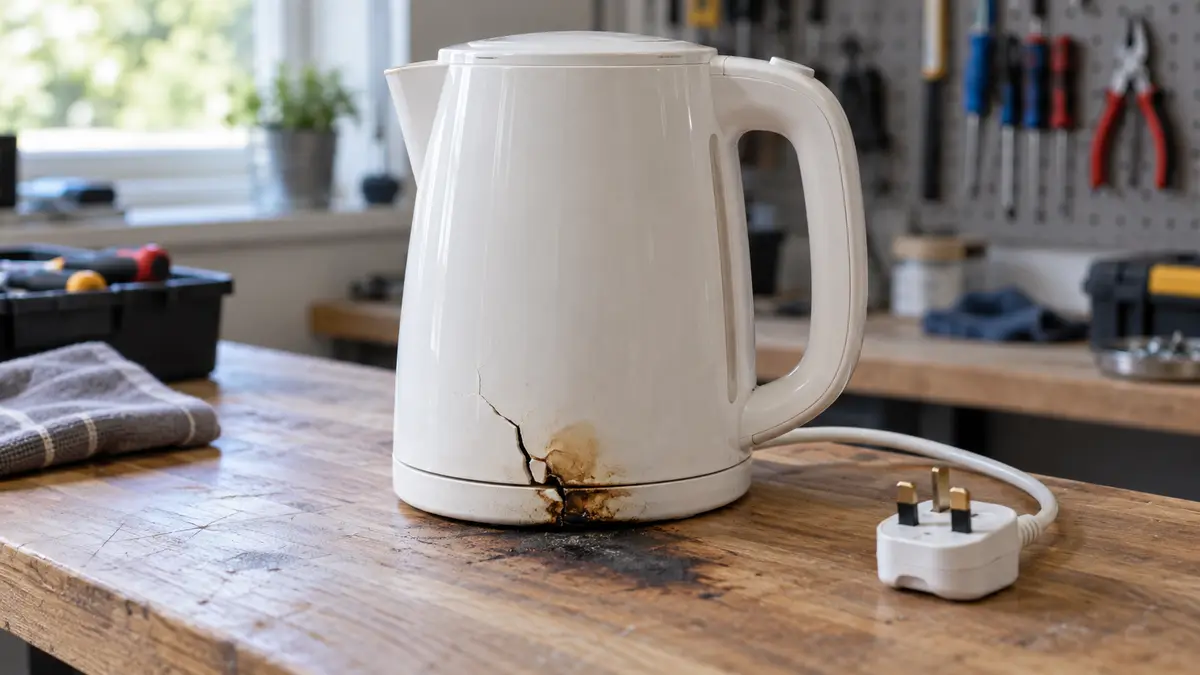
Deal with danger before collecting evidence
Stop using the product and keep others away. For fire, smoke, electric shock or another immediate danger, move to safety and contact emergency services. Disconnect power or stop a leak only if you can do so safely. Do not touch exposed wiring, approach a smoking battery or recreate the failure for a video.
Seek medical help for injuries and explain what happened. Evidence collection must not delay treatment or emergency repairs. Once safe, notify your home insurer and ask about inspection, damaged belongings and urgent work. Keep receipts and record anything that had to be moved or discarded.
Preserve the product and purchase trail
If safe, retain the product, failed parts, accessories, packaging, instructions and labels. Photograph its condition, model and batch identifiers, where it was used and the surrounding damage. Do not clean, dismantle, repair or test it yourself. Ask your insurer or solicitor how to arrange safe storage and any expert examination.
Save the order, invoice, payment record, listing, seller details and messages before they disappear. Write a dated account of delivery, assembly, use and the incident, separating observations from guesses. Before sending the item back, arrange evidence preservation and safe transport; our personal purchase returns guide covers the return process.
Keep medical evidence and a loss record
Keep appointment details, discharge papers, treatment records and dated photographs of visible injuries. Tell the clinician the product involved and describe the incident accurately. Record symptoms as they develop, without trying to diagnose their cause. Keep witness names and contact details, and ask witnesses to record what they saw in their own words.
Create a separate record of damaged rooms and belongings, repair quotations, emergency work, travel, treatment expenses and missed work. Retain receipts and relevant earnings records. Ask contractors to document what they found before repairs. Recording a loss does not establish that it will be recoverable.
Identify who sold and supplied the product
Find the contracting seller's legal name and address from the invoice, order terms and listing. Record any manufacturer, own-brand business and UK importer shown on the product or packaging. Give these records to your adviser rather than assuming the marketplace, delivery company or sourcing agent is the seller.
Our importer liability guide explains why a business importing goods to supply others can face liability alongside the producer. For your personal purchase, ask a solicitor which parties could be pursued in the UK. If all identifiable parties are overseas, ask about jurisdiction, service and realistic recovery before spending on a claim.
Explore compensation and report the safety issue
An unsafe product causing injury or property damage may give rise to compensation, depending on the circumstances. Manufacturers and some other supply-chain parties can face product liability claims. Ask your solicitor to assess possible claims against the seller and supply-chain parties, and explain which losses each route could address. A product refund and compensation for injuries or home damage should be discussed separately.
A safety issue may also entitle you to a refund, replacement or repair. Use our unsafe personal purchase reporting guide for reporting steps, while pursuing your compensation enquiry separately. If the seller relies on trade-only wording, read our home purchase consumer rights guide and show your adviser how the purchase was actually made.
Working out your own order? Send us the product on WhatsApp and we reply the same working day: WhatsApp us
Get legal advice before returning or settling
Seek a solicitor experienced in product injury claims promptly, especially for ongoing symptoms, substantial home damage, disputed responsibility or an overseas seller. Government guidance says personal injury legal action needs advice from a solicitor. In England and Wales, there are strict time limits for starting a case; ask your solicitor to confirm the deadline for your circumstances.
Before accepting a settlement, signing a release or allowing destructive testing, ask your solicitor what it would mean for the injury and property claims. Ask about fees, expert costs and any legal expenses cover in your insurance. Send an indexed evidence pack and request a written plan covering the proposed defendant, evidence gaps and next steps.
Frequently asked questions
Should I return the product after it injures me?
Preserve it safely first. Before returning it, ask your insurer or solicitor how examination, photographs, safe transport and records of who holds it will be arranged.
Can I claim for damage to my home?
Possibly. Official guidance says unsafe products causing property damage may lead to compensation, depending on the circumstances. Keep photographs, repair evidence and receipts, and ask a solicitor to assess your claim.
Who do I claim against if I bought from China?
Identify the contracting seller, manufacturer, brand owner and any UK business importer. A solicitor can assess possible UK defendants and the practical options if the identifiable parties are overseas.
When should I contact a solicitor?
Contact one promptly for injury, substantial damage or disputed responsibility, and before settling or surrendering the product. Ask them to confirm the applicable deadline and evidence needed.