How to resolve conflicting inspection results
Compare the original readings, sample identities, measurement methods and instruments before choosing which report to trust. Agree an independent retest in writing, including sample selection and how borderline results will be judged. Buyers can coordinate factory evidence and retesting through Cambridge China Bridge.
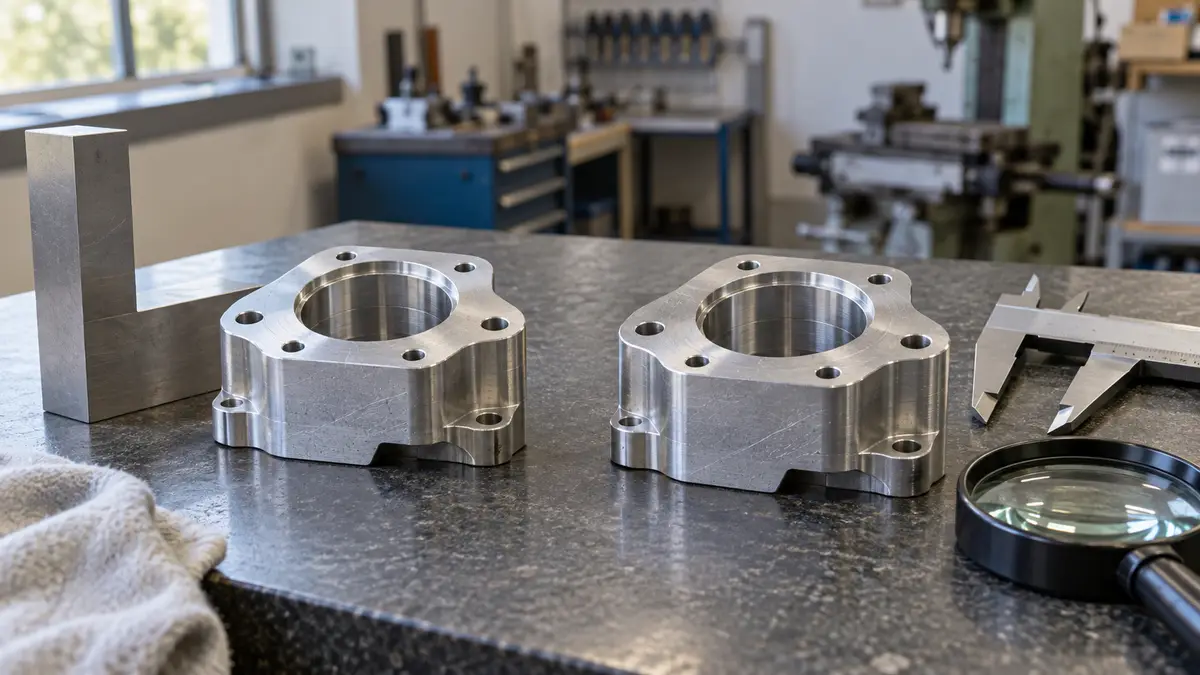
Define the disagreement before commissioning more tests
Ask each inspector for the original readings, photographs, specification revision, acceptance limits and explanation of the failure. Put disputed characteristics side by side. Separate a disagreement over a measured value from a disagreement over defect grading or batch acceptance. Do not average conflicting readings to manufacture a pass.
Agree with the supplier how the affected goods will be identified and held while the investigation runs, and record the shipment and payment position against your order terms. Our inspection guide covers inspection stages and failed-batch options; this investigation establishes whether the reports are actually comparable.
Establish which samples were measured
Match each result to the batch, carton, product variant and individual sample. Ask who selected it, where it came from, whether it was reworked and whether testing altered or destroyed it. A retained approval sample, a finished production unit and a replacement supplied after a complaint may answer different questions.
Keep labels, photographs, seals and handover records together. Where testing is destructive, agree how matched samples will be selected and retained; the same physical item cannot simply be tested again unchanged. Use our laboratory sample custody guide for the transfer record. A fresh batch sample does not establish what happened to the original disputed item.
Compare methods and instruments
For dimensions, compare the drawing datum, measurement location, orientation and contact pressure. For weight, check whether packaging is included and how the balance was zeroed. For colour, compare lighting, background and visual versus instrumental assessment. For functional tests, match the load, supply, duration and pass criterion. Agree conditioning, units and rounding before repeating the work.
Request the instrument model, identification, resolution, calibration record and checks made before use. A caliper, micrometer and measuring fixture can contact a flexible or irregular part differently. Ask about repeat readings, operator technique and measurement uncertainty, especially near a tolerance boundary. Extra displayed digits alone do not establish greater accuracy.
Agree the independent retest in writing
Choose a laboratory or inspector acceptable to buyer and supplier. Government guidance recommends accreditation as a means of demonstrating an organisation’s competence. Ask the provider to show that its accredited scope covers the proposed work, and disclose any work outside that scope. Our inspection company guide helps with provider selection.
Approve a shared brief covering sample selection and sealing, the specification revision, method and edition where applicable, conditioning, instruments, raw readings, photographs and reporting of uncertainty. Agree costs, access, witnesses and who receives the report. State how results near the limit will be judged and what happens if evidence remains inconclusive. Avoid changing the acceptance rule after seeing the result.
Working out your own order? Send us the product on WhatsApp and we reply the same working day: WhatsApp us
Close the cause, not just the report
Ask the independent provider to explain whether the difference came from sample variation, method, equipment, handling or interpretation, and what remains unresolved. Distinguish a finding about the tested items from a decision about the whole batch. A passing replacement sample does not by itself clear the affected stock.
Record the agreed disposition, any sorting or rework, and the evidence needed before release. If results remain inconclusive, keep that status explicit and agree further investigation rather than declaring a pass. Update the inspection brief with the resolved method and sample controls so the next shipment is assessed consistently.
Frequently asked questions
Which inspection report should I trust?
Start with comparability, not the report issuer. Check sample identity, specification revision, method, instruments and raw readings. Use an agreed independent retest if the disagreement remains.
Can different instruments give different results?
Yes. Contact pressure, measurement location, resolution and calibration can affect readings. Compare the setup and repeat the agreed method on identified samples.
Should the factory choose the retest samples?
Agree selection with the independent provider and supplier. Record where samples came from and seal them before transfer. Avoid relying only on replacements selected by the factory.
Does a passing retest clear the whole batch?
Only if the agreed sampling and acceptance approach supports that conclusion. A pass on a selected item does not automatically resolve the original failure or establish batch acceptance.