How to choose a QC inspection company in China
Choose a China QC inspection company by who pays the inspector, whether they cover your factory's city without travel surcharges, whether their inspectors know your product, and whether the report is judged against your golden sample and ISO 2859-1 limits. Global testing houses such as QIMA, SGS, Intertek and Bureau Veritas suit most buyers; independents cost less but vary.
Choosing a China QC inspection company: testing houses vs independent inspectors vs your agent, what reports cover, costs and conflicts of interest.
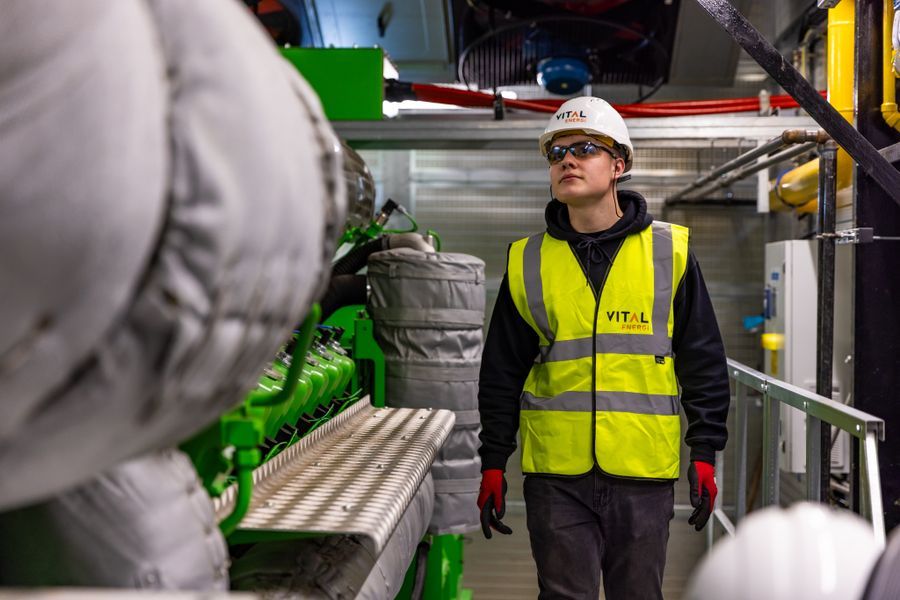
The three kinds of inspector
Buyers asking for a recommended QC company usually mean one of three things. Large testing and inspection groups, such as QIMA, SGS, Intertek, Bureau Veritas and TÜV, have inspectors across China's manufacturing regions, standard report formats and accredited laboratories for follow-up tests. Independent inspectors and small inspection firms are often cheaper and more flexible, but quality depends heavily on the individual. And a sourcing agent's own QC staff inspect as part of the order, with the advantage of knowing your specification and your previous batches.
UK sourcing agencies that publish rates put quality inspections at roughly £200 to £350 per man-day in China; on a goods order through Cambridge China Bridge, agreed inspections are included in the landed price. The number that matters more is what the man-day covers: travel to the factory, sample size, on-site tests, the report and how quickly you receive it.
What to check before you book
Ask each firm five questions. Do they have inspectors based near your factory, or will travel be charged on top? Have their inspectors worked on your product category, because checking chrome-plated bathroom accessories is different from checking dog beds or electronics? Will they inspect against your golden sample, specification and the acceptance limits you set under ISO 2859-1, rather than a generic checklist? Which on-site tests do they run, such as carton drop tests, function tests, measurements and barcode scans? And will the report carry time-stamped photographs of the actual lot, with defects classified as critical, major or minor?
For laboratory tests, ask for a laboratory accredited to ISO/IEC 17025 for the specific test, and for inspection bodies, accreditation to ISO/IEC 17020 is a useful sign that procedures are audited. Quality inspection explained covers the four points at which you can inspect, and our container loading check guide covers the last one.
Conflicts of interest
The most important question is who is paying. An inspection booked and paid by the factory, or arranged by a trading company selling you the goods, works for the seller. Book and pay the inspector yourself, or through an agent working for you, and send the factory only the date and the product, not your acceptance limits.
Even with a reputable firm, individual inspectors can be pressured at the factory. Time-stamped photographs and video of the lot, random carton selection witnessed on camera, and occasional re-inspection by a different inspector keep the process honest. A report with no photographs of defects on a large order is a warning sign.
Using the report
An inspection only protects you if the balance is still unpaid when the report arrives. Agree in the purchase order that shipment and the balance payment depend on a passed inspection, and what happens if it fails: rework and re-inspection at the factory's cost, sorting, remaking or rejection. Making bulk production match the sample explains how to set the standard the inspector judges against.
Where we fit
Cambridge China Bridge includes agreed inspections in the landed price of every goods order, carried out against your golden sample and specification by people who also follow the order through production. Buyers who prefer an independent testing house can appoint one alongside us, and any third-party testing is passed on at cost. See how we verify factories and inspect orders.
Frequently asked questions
Which QC inspection companies operate in China?
Large groups such as QIMA, SGS, Intertek, Bureau Veritas and TÜV, many independent inspectors, and sourcing agents' own QC staff.
How much does a QC inspection in China cost?
UK agencies that publish rates put it at roughly £200 to £350 per man-day; check whether travel, on-site tests and the report are included.
Should the factory book the inspection?
No. Book and pay the inspector yourself or through an agent working for you, so the inspector works for the buyer.
What should an inspection report include?
Results against your golden sample and ISO 2859-1 limits, defects classed as critical, major or minor, on-site test results, and time-stamped photographs of the actual lot.