How to maintain and retire factory tooling
Give each tool a traceable record, agree maintenance and wear checks, and approve trial parts before restarting after significant work or storage. Authorise replacement and disposal separately, keeping the old tool controlled until its replacement passes. Coordinate these checks through Cambridge China Bridge.
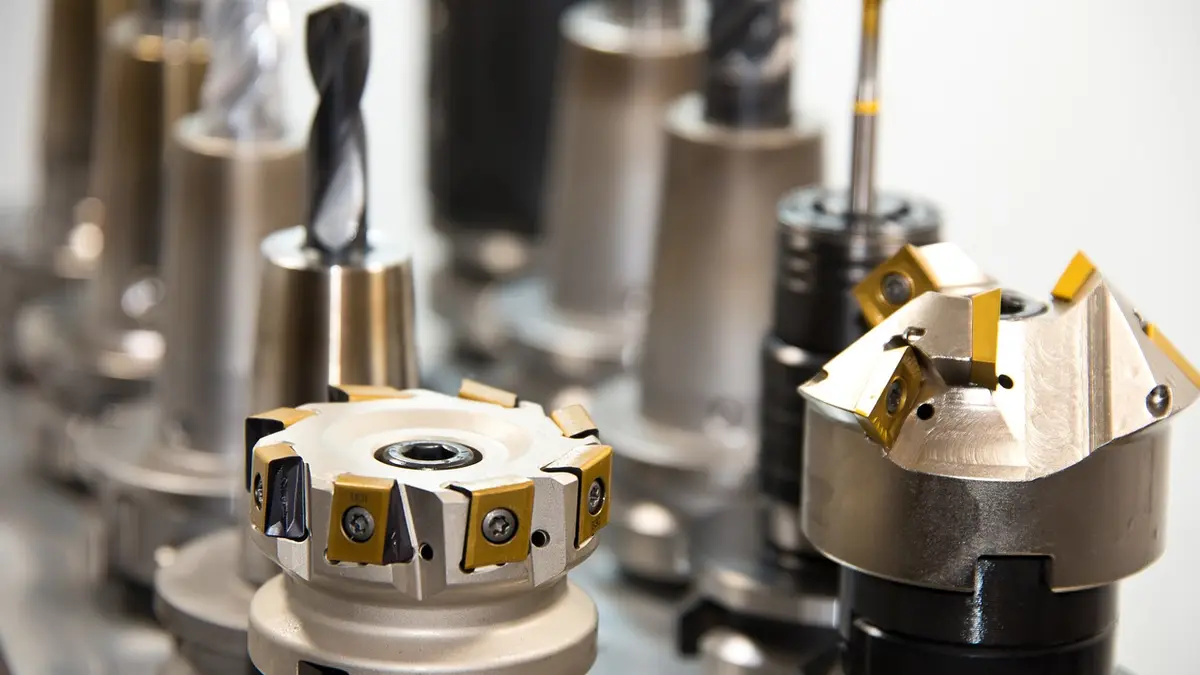
Give each tool a maintenance record
Create a register for moulds, dies, jigs and fixtures, with a unique identifier, photographs, location, responsible person and approved drawing revision. Link each production batch to the tool used, including its cavities or replaceable inserts. Set ownership and release arrangements separately using protecting your IP and tooling.
Ask the factory to record production usage, cleaning, lubrication, faults, repairs, replaced components and the person who released the tool for use. Agree who pays for routine upkeep and who approves chargeable work. HSE maintenance guidance recommends using the manufacturer's instructions as a guide; use that principle when agreeing the factory's maintenance plan.
Check wear against an agreed baseline
Record the tool's condition and accepted part measurements at approval. Ask the toolmaker to identify likely wear points and propose checks based on tool design, material, operating conditions and usage. Agree inspection triggers for repeat defects, abnormal operation, damage and a restart after storage, rather than accepting an unsupported calendar interval.
Compare measurements and photographs over successive runs. For moulds, investigate flash, damaged surfaces, blocked vents and sticking ejectors; for dies and fixtures, investigate burrs, worn locating faces and loose components. Separate tool wear from material or machine-setting problems. Use checking factory measurements when measurement results are disputed, and hold affected production while the cause is unresolved.
Approve trial parts before production resumes
After significant repair, insert replacement, tool modification or a restart following storage, ask for trial parts made with the intended production material and recorded machine settings. Identify which cavity or tool position produced each part. Compare critical dimensions, appearance, assembly fit and function against the current specification, not photographs alone.
Retain labelled trial parts and the measurement report, recording the tool condition, work completed and approval decision. Follow making bulk production match the sample for the underlying acceptance standard. Release repeat production in writing only when the agreed checks pass; a repaired tool is not itself proof of acceptable parts.
Control storage between orders
Agree a storage method with the toolmaker covering cleaning, drying, compatible corrosion protection, protected working surfaces and support that avoids distortion. Specify a dry, sheltered location with clear identification and controlled access. Ask for photographs showing the tool and its storage position, and record any movement or loan to another production site.
Record the preservation date, inspection findings and next review trigger. Before reuse, check for corrosion, condensation, contamination, missing components and handling damage, then remove protective materials as instructed. Keep the tool's status clear: available, awaiting maintenance, held pending approval or retired. Storage photographs do not replace a condition check before production.
Working out your own order? Send us the product on WhatsApp and we reply the same working day: WhatsApp us
Approve replacement and retirement separately
Ask for a replacement proposal showing the wear evidence, repair options, effect on part quality, replacement scope, cost allocation and production interruption. Name the buyer authorised to approve it. Keep the existing tool controlled while replacement trial parts are assessed, and record when production changes to the new tool. Do not accept replacement merely because the factory says the tool is old.
Issue a separate written retirement instruction stating whether the tool is retained, returned or destroyed. For destruction, request photographs identifying the tool and showing its working features made unusable, alongside a dated disposal record. Update the register and preserve drawings, maintenance history and final accepted parts. Cambridge China Bridge's staff in China can coordinate factory records and checks for buyer review.
Frequently asked questions
How often should a factory maintain my tooling?
Agree a plan using the toolmaker's instructions, production usage and wear history. Add checks after damage, recurring defects and storage. Ask the factory to justify its proposed intervals.
What should a tooling maintenance record include?
Tool identity, location, drawing revision, production usage, faults, maintenance work, replaced components, condition evidence and the person approving return to production.
Do I need new samples after a mould repair?
Request trial parts after significant repair or changes to working features. Check dimensions, appearance, fit and function against the approved specification before releasing production.
When should I approve replacement tooling?
When documented condition and trial results support replacement over repair. Approve the scope and cost separately from disposal, and keep the old tool controlled until replacement parts pass.