How much volume makes switching factory worthwhile?
Divide evidenced one-off transition costs by the saving per accepted unit against staying with your current factory. Then check whether realistic repeat demand can absorb that volume before the product or price changes. Cambridge China Bridge can help gather comparable factory quotes and transition evidence.
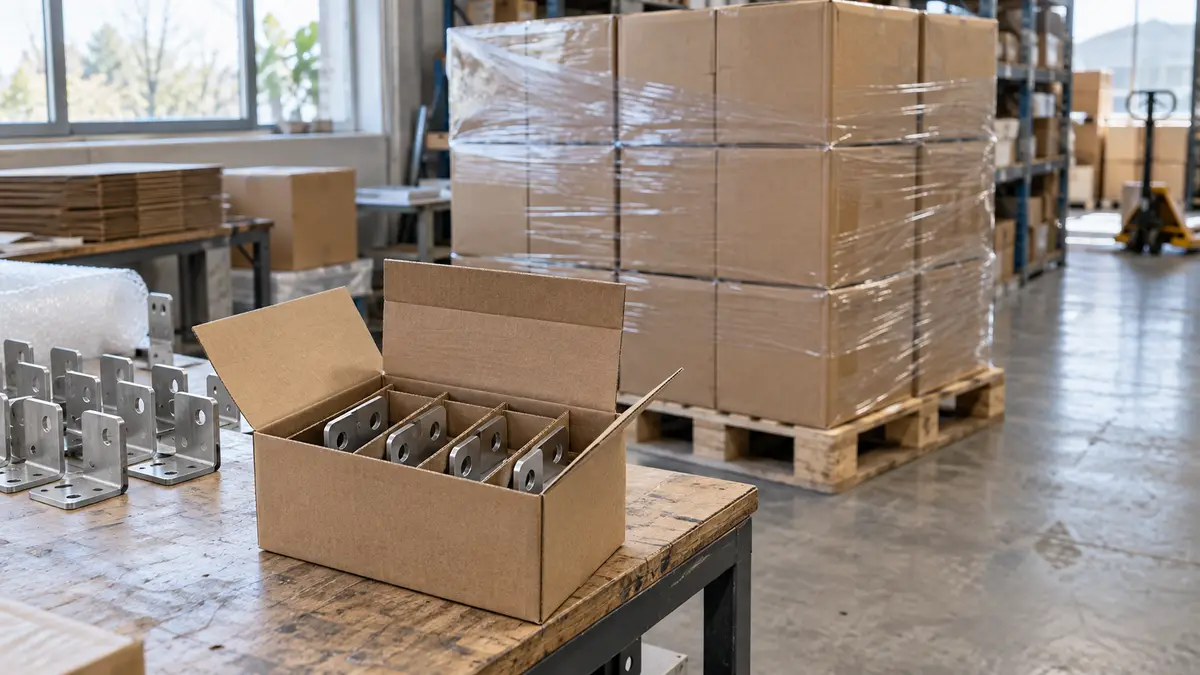
Keep the product and comparison unchanged
This calculation concerns moving an unchanged product, not redesigning it. Give both factories the same approved specification, packaging, acceptance criteria and repeat-order quantities. Use the same destination, currency basis and delivery scope. A cheaper material or reduced inspection scope is a different proposal.
First establish whether the candidate can reproduce the approved product through the gates in our second supplier qualification guide. This guide adds the financial recovery test; qualification alone does not show that a move pays.
Build an evidenced transition-cost total
Create a ledger of costs caused by moving: tooling transfer or replacement, fixtures, samples, qualification work, pilot inspections, additional testing where needed, transport and agreed handover work. Attach a quotation, invoice or documented internal estimate to each entry. Separate confirmed costs from unresolved allowances and identify who pays.
Compare these costs with staying at the incumbent. Exclude past spending that cannot change with this decision. Include avoidable losses on old stock or materials only where the move causes them. Keep refundable deposits and temporary overlap stock in a separate cash-flow schedule; include their actual financing, storage or write-off costs where applicable. Do not count an item both here and in recurring unit costs.
Calculate savings per accepted unit
For each factory, divide the comparable recurring cost of supplying a batch by the units accepted against your agreed criteria. Include purchase cost, freight, inspection, handling and evidenced rejection or rework costs on a consistent basis. Credit recoveries only when supported. Our landed price guide explains the cost categories behind the comparison. For warranty recoveries, see our guide to factory replacements versus cash.
Subtract the candidate's cost per accepted unit from the incumbent's. Use pilot evidence to check acceptance yield rather than assuming every shipped unit is usable. Treat an untested rejection allowance as an assumption. If the candidate produces no positive saving, there is no cost-recovery volume through unit savings.
Turn the saving into a recovery threshold
Required accepted volume equals evidenced one-off transition costs divided by saving per accepted unit. Round upwards to whole accepted units, then map the result to realistic order batches. This simple threshold assumes the saving stays constant. Where prices, batch sizes or product mix change, calculate each planned batch's saving and accumulate it until it covers the transition total.
Keep the initial switching decision separate from a later continuation decision. For the initial decision, retain all transition costs attributable to the move. After money has been spent, show recovery against that original total, but assess whether to continue using costs and savings still avoidable. A recovery threshold also does not prove that you can fund deposits and overlapping orders.
Working out your own order? Send us the product on WhatsApp and we reply the same working day: WhatsApp us
Test demand before approving the move
Choose a forecast horizon supported by the product's remaining sales life and the quotation's validity. Start with stock, committed customer orders and evidenced replenishment demand. Remove demand already covered by incumbent stock or orders. Count only volume you expect to place with the candidate and sell or use; buying excess stock merely to reach the threshold does not validate demand. See our repeat demand forecasting guide.
Test lower demand, delayed orders, smaller batches, higher transition costs and weaker accepted-unit savings. HM Treasury's appraisal guidance describes sensitivity analysis as testing how changed assumptions affect results. Apply that idea here: show whether credible downside demand still reaches recovery, and which assumption makes the move fail.
Record the cost evidence, acceptance assumptions, demand owner and approval date together. If recovery depends on speculative demand or an unproven saving, keep the decision conditional. Cambridge China Bridge's staff in China can support factory quotations and transition checks; your team decides whether the forecast and cash commitment justify moving.
Frequently asked questions
How do I calculate factory switching break-even volume?
Divide evidenced one-off transition costs by the positive saving per accepted unit. Round upwards and check achievable order batches. If savings vary by batch, accumulate the planned batch savings instead.
Should I include tooling I have already paid for?
Exclude past tooling spending that the decision cannot change. Include evidenced transfer, adaptation or replacement costs caused by moving, and any supported recovery value.
Can I use annual sales as the recovery volume?
Only use demand expected to become candidate orders within your chosen horizon. Deduct stock and incumbent orders covering that demand, and account for product retirement or customer losses.
What if the new factory has a lower price but more rejects?
Compare recurring cost per accepted unit, including evidenced rejection and rework costs. A lower quoted price may produce no saving after acceptance losses.