What can a during-production inspection prove?
A during-production inspection records findings on the output and processes checked at that visit. It can reveal risks for goods still to be made, but cannot confirm their quality. Keep observed defects, future risks and outstanding checks separate. Cambridge China Bridge uses its own staff in China to coordinate these checks.
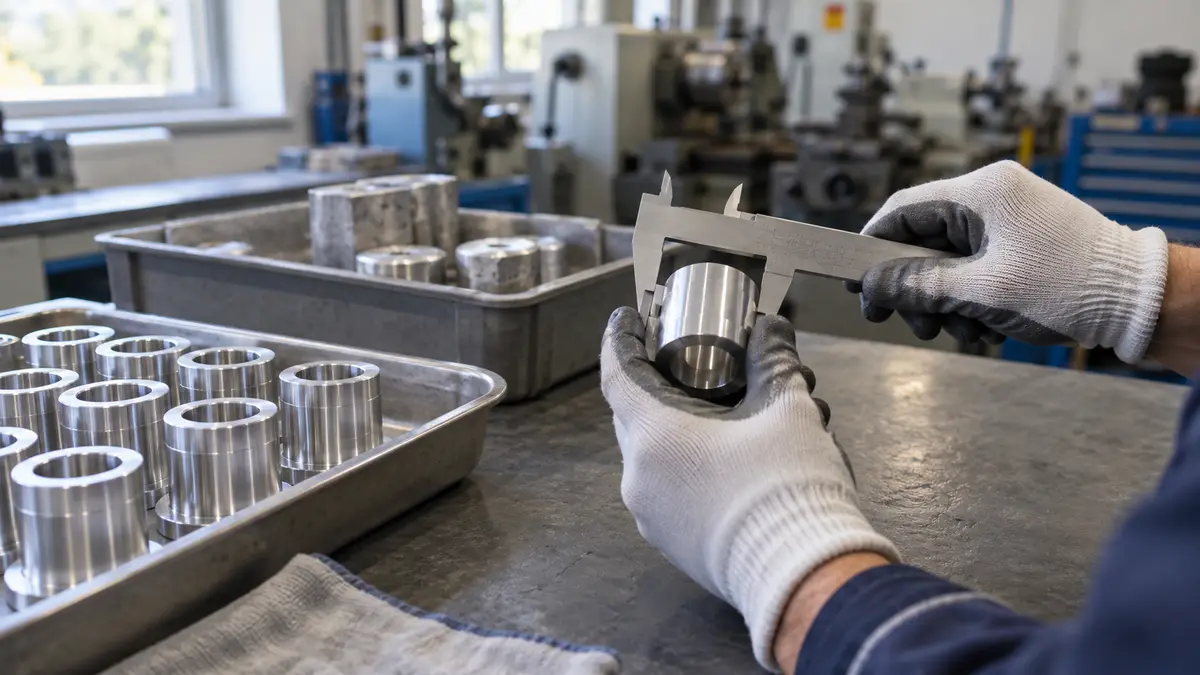
Define what the findings actually cover
Ask the inspector to distinguish finished goods, work in progress, materials awaiting use and goods not yet started. Record which product variants, material batches, production lines and operations were available and which were sampled. State whether quantities were counted, taken from factory records or estimated. A factory's completion claim should not silently become an inspector's verified finding.
Tie each result to the identified goods, specification revision and test performed. A dimension checked before coating does not confirm the finished dimension; an unfinished assembly cannot demonstrate its final function. Use our report comparison for the wider differences between inspection reports.
Separate observations from predictions
Keep observed findings, future risks and outstanding checks in separate report fields. An observed defect needs an item reference, photograph or measurement and the criterion it failed. A future risk needs the reason it might affect later output. An outstanding check needs an explanation of why it could not yet be completed.
Avoid wording such as ‘the order passed’ when only available output was assessed. Ask for a conclusion limited to the inspected scope, followed by a separate recommendation on whether production should continue, pause or continue subject to corrective action.
| Finding type | What the report can say | What remains to be checked |
|---|---|---|
| Observed defect | The inspected assemblies had loose fasteners against the agreed specification. | Identify affected output, correct it and check the result. |
| Future production risk | The fastening method observed may cause the same defect in later assemblies. | Check output made after the method changes. |
| Outstanding check | Retail packaging was unavailable, so pack contents and labels were not checked. | Inspect actual packed goods when they are available. |
Use process evidence to target later checks
For goods not yet made, inspect what could influence their quality: incoming materials, component identity, machine settings, tooling condition, work instructions and handling between operations. These observations help decide where to intervene. They do not turn unfinished goods into inspected finished output.
Ask what will change after the visit. A later material delivery, another production line, replacement tooling or an outsourced finishing operation can introduce a risk absent from the inspected sample. Arrange follow-up when output from that change becomes available, and specify the characteristic to check. Our inspection-stage guide explains where these visits fit.
Check corrections on both existing and later output
For each defect, agree who will contain affected goods, investigate the cause and change the process. Identify the boundary between output made before and after the change using batch records or another traceable reference. Keep reworked goods identifiable so they can be checked separately from newly produced goods.
A photograph of an adjusted machine shows an action, not its effectiveness. Check reworked output against the failed criterion, then examine later output to see whether the defect recurs. Record unresolved questions and the next review point. Our corrective-action closure guide explains how to assess closure evidence.
Working out your own order? Send us the product on WhatsApp and we reply the same working day: WhatsApp us
Carry unresolved checks into final inspection
Maintain an open-check list with the product or batch concerned, the missing evidence, the person responsible and the stage when it can be checked. Include unavailable variants, operations not yet completed, unverified corrections and packaging or labels not yet applied. Give this list to the final inspector alongside the current specification.
Final inspection should assess the finished order under the agreed acceptance plan and revisit the open items. Sampling supports a decision about the identified lot; it does not certify goods outside that lot or guarantee every unit. Keep the buyer's shipment and payment decision separate from the inspection conclusion. See what to check before paying the balance.
Frequently asked questions
Can a during-production inspection approve goods not yet made?
No. It can identify risks from materials and processes available at the visit. Later output still needs the agreed checks, followed by final inspection of the finished order.
Does a pass during production mean the whole order will pass?
No. Read the scope behind the conclusion. Later materials, operations and packaging may differ, and some variants may not have been available.
When should I arrange another production inspection?
Arrange it when corrected output or goods from a relevant change become available. Specify what evidence you need, rather than repeating the visit without a defined purpose.
What should I give the final inspector?
Provide the current specification, earlier findings, correction records and an open-check list. Identify reworked batches and checks that could not be completed during production.