Who pays for destructive inspection samples?
Treat authorised destructive testing as planned consumption, with its cost and effect on delivery agreed beforehand. Record sample allowances, ownership, replacement or credit terms, and disposal instructions. Investigate damage outside that permission separately. Agree the written brief with Cambridge China Bridge.
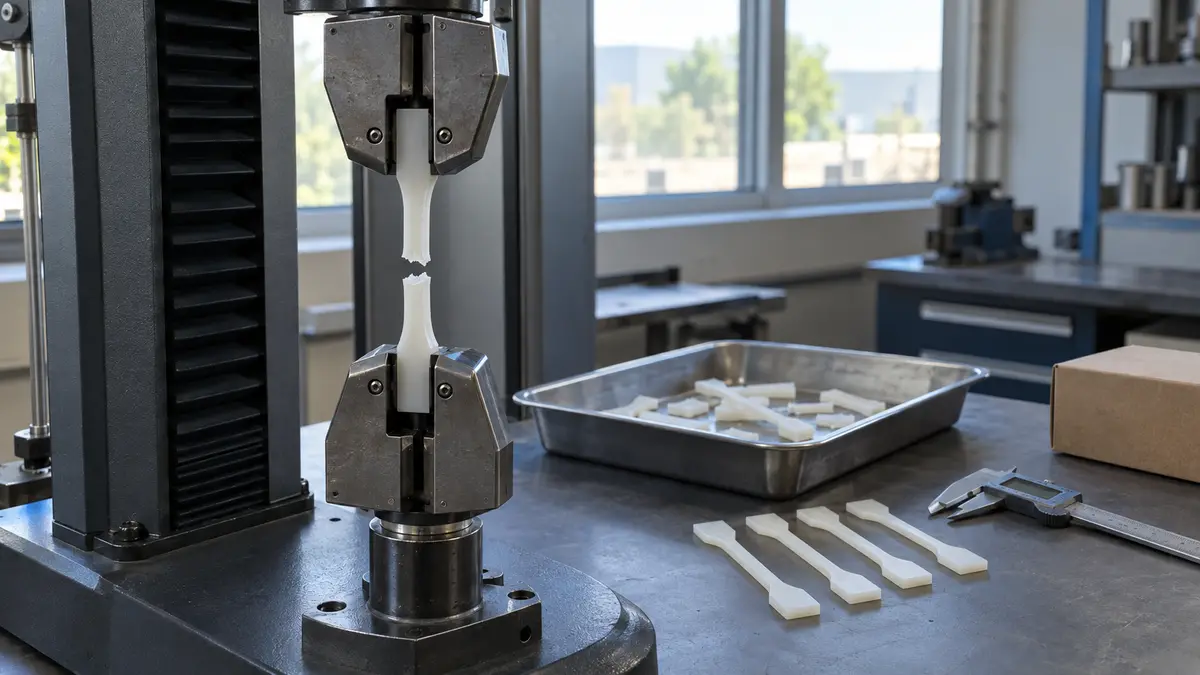
Separate planned destruction from defects
A strength test may break a sound product; cutting a seam may make a garment unsaleable. Record these as units consumed by the agreed test, separately from products that failed its acceptance criteria. A destroyed sample can produce a passing result. For inspection stages and batch decisions, see quality inspection explained.
Before testing, name the method, product version, acceptance criteria and actions that may damage goods or packaging. Ask the inspector or laboratory to identify what will be consumed, what might remain usable and when it will stop for approval. If testing has already exceeded permission, preserve photographs, the brief and sample records before agreeing a remedy.
Agree a sample allowance and a delivery quantity
Write the destructive sample allowance by product variant and test. Say whether these units come from the ordered quantity or are additional production, and state the saleable quantity expected at dispatch. Include opened packaging, retained samples and any repeat testing. Require written approval before exceeding the allowance.
Agree how samples will represent the shipment. Extra units should match the production materials and process; do not let specially prepared samples replace selection from the actual batch where that selection is needed. The AQL sampling guide covers batch sampling; record the destructive test allowance separately rather than assuming the inspection sample can all be sacrificed.
Name the owner and allocate each cost
Ask the seller and testing provider to acknowledge who owns the samples before testing, during laboratory custody and afterwards. Record who may authorise destruction, who receives surviving parts and who controls retained samples. Payment for a sample, possession of it and permission to destroy it are separate questions to resolve in the brief.
Allocate sample production, test fees, transport, replacement packaging, storage and disposal. Distinguish authorised consumption, failed tests, repeat tests after rework and damage caused by departing from the brief. For each, agree the payer, any replacement or credit, and the evidence needed. Do not assume that the factory or inspector automatically pays for every destroyed unit.
Make payment and dispatch checks explicit
Agree whether consumed samples remain billable, are supplied separately or are credited against the goods invoice. Set out how replacements affect dispatch and what happens if replacement production needs another inspection. Tie payment approval to the agreed report and reconciliation of saleable goods, consumed samples and retained samples.
If there is a shortfall or unauthorised damage, ask for a written reconciliation and proposed remedy before approving the disputed amount. Follow the agreed payment terms; do not treat the sample dispute as permission to stop every payment. Buyers contracting with a UK sourcing seller can read withholding payment before deciding how to handle a dispute.
Working out your own order? Send us the product on WhatsApp and we reply the same working day: WhatsApp us
Control the remains and close the record
Specify where remains will be kept, the retention period, who approves disposal and who pays. Ask for sample identifiers, before-and-after photographs and a disposal record linked to the test report. Agree that damaged branded goods will not return to saleable stock. Use the laboratory sample chain-of-custody guide for identification and handover records.
For testing in China, agree the practical disposal arrangements with the factory or laboratory before sending samples. For testing in England, your business must ensure hazardous waste it produces or handles causes no harm or damage. Ask the laboratory to confirm the waste classification and disposal route before authorising destruction.
Frequently asked questions
Who pays if an inspection destroys good products?
Agree the payer before testing. Authorised consumption can be included in the goods price, charged separately or credited. Treat damage outside the approved method or allowance as a separate dispute.
Do destroyed samples count towards my order?
Only as agreed. State whether samples are additional production or taken from your order, then record the saleable quantity due at dispatch and any replacement or credit.
Can the inspector destroy extra samples?
Set a written allowance and a stop point. Require approval before extra destructive work, including repeat testing. Record who can approve it and how the additional cost will be handled.
Can I get the tested samples back?
Ask before booking. Agree which remains can be returned, which samples will be retained, who owns them, and who pays for packing and transport. Some tests leave nothing usable to return.