Conflict minerals: China imports to Northern Ireland
Yes, obligations can apply to listed tin, tantalum, tungsten and gold imports into Northern Ireland when the annual volume threshold is met. Finished goods do not fall within scope simply because they contain these materials. Ask for product-specific supply-chain evidence through Cambridge China Bridge.
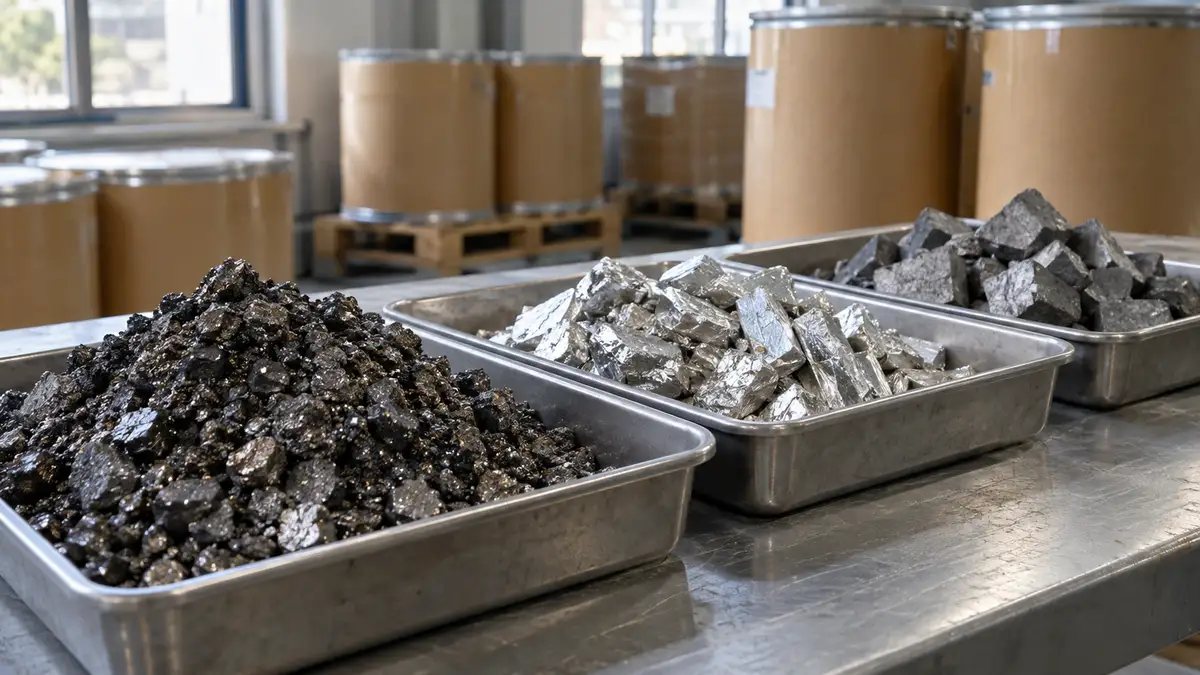
Start with the imported material and destination
The FCDO guidance identifies Northern Ireland as the territory where these statutory conflict-minerals duties apply. For a China-sourced order, check the imported material against the listed mineral and metal forms, then assess the annual volume threshold.
Ask separately where the mineral was mined and where it was processed. A Chinese factory address alone does not describe the upstream supply chain.
Listed minerals and metals differ from finished goods
The scope covers listed forms containing or consisting of tin, tantalum, tungsten or gold. The annex includes ores and concentrates, specified compounds, unwrought metals and certain semi-manufactured forms. Check the actual description and commodity code rather than treating every metal-containing product alike.
A finished electronic device does not become a listed mineral or metal import merely because it contains tin solder or gold contacts. Conversely, a processed metal form can still be listed. Use our guide to finding your commodity code to organise the classification check.
Check annual volume, not the individual order
The exemption applies where annual imports of the relevant mineral or metal are below its annex threshold. There is no universal threshold for all covered materials. The legal test is annual volume, rather than invoice value or the size of an individual shipment.
Ask your customs adviser to identify the applicable annex entry and threshold. Keep a running record of imports against that entry and include planned repeat orders in your purchasing review. If the total reaches the threshold, do not rely on the below-threshold exemption.
Due diligence concerns the importer’s systems
In-scope duties concern supply-chain management, risk assessment and response, third-party audits and disclosure. Audit exemptions for metal importers require supporting evidence about their smelters and refiners. Importers must also report publicly each year on their responsible-sourcing policies and practices.
Build a working file with supplier identities, material descriptions, origin information, smelter or refiner details, supporting reports and recorded responses to gaps. A general factory declaration should prompt questions about the particular material and supply chain. Our guide to verifying material certificates helps organise document checks.
Working out your own order? Send us the product on WhatsApp and we reply the same working day: WhatsApp us
Agree the evidence before placing the order
Send the factory a written request tied to the material you intend to buy. Ask who can provide upstream records, which documents cover the order and how substitutions will be reported. Resolve missing information before approving the purchase.
Cambridge China Bridge has staff in China who can ask factories for supporting information. Keep the importer’s scope assessment with your purchasing records. For the separate landed-cost calculation, use our guide to hidden import costs.
Frequently asked questions
Does buying from China avoid conflict-minerals duties?
Do not assume so. Check whether the imported material is listed and whether its annual volume threshold is met. The factory’s location alone does not establish the mineral’s upstream origin.
Do finished electronics need this due diligence?
They do not enter this regime simply because they contain covered metals. Check the imported product’s classification rather than applying raw-material thresholds to its internal components.
Is the threshold per shipment?
No. The exemption uses annual import volume for the relevant mineral or metal. Keep cumulative records and check the applicable annex entry.
Is a factory’s conflict-free declaration enough?
Do not treat a general declaration as your complete evidence file. Ask which materials, upstream suppliers and supporting records it covers, and resolve gaps in the importer’s due-diligence review.