China procurement to multiple destination ports
Yes. A UK sourcing partner can coordinate Chinese factories across your group's destinations while your appointed forwarders handle transport. Agree each buying entity, named delivery term, handover, inspection release and document pack; each destination's importer and broker handle entry. Agree the China-side scope with Cambridge China Bridge.
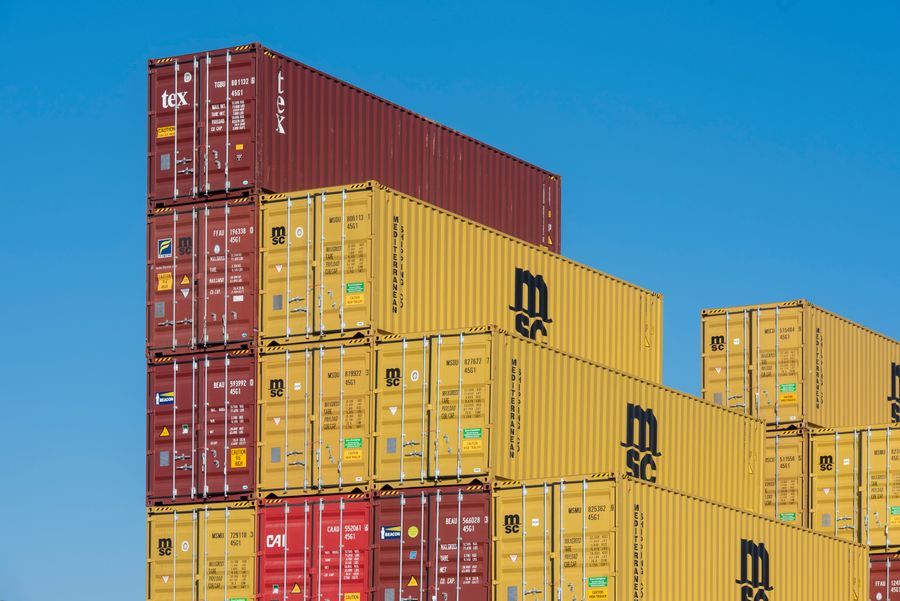
Create a destination control sheet
The overseas buying guide explains supply to your destination port. A group programme adds a coordination task: keeping each destination's order, goods and approvals distinct. Before requesting quotes, create a shared control sheet with a separate entry for each buying entity and destination, even where the goods come from the same factory.
Name the group procurement owner and destination approvers. Record whether Cambridge China Bridge will supply the goods or coordinate factories you contract with directly, and identify the seller on each order. Use the sheet to brief a container programme; agree which decisions need group approval and which belong to the destination team.
| Control | Record for each destination | Who confirms it |
|---|---|---|
| Buying entity | Contracting buyer, seller, purchase order, invoice recipient and payment owner | Group procurement and destination buyer |
| Delivery term | Agreed Incoterm, edition, precise named port or place and included charges | Contracting buyer and seller |
| Forwarder handover | Appointed forwarder, China contact, collection point, booking reference and receipt evidence | Buyer, China coordinator and forwarder |
| Inspection release | Batch, specification revision, report issuer, open findings and authorised release decision | Buyer quality approver |
| Factory document pack | Destination-specific document list, issuer, draft approval and final version | Factory, destination importer and broker |
| Destination entry | Named importer, customs broker and confirmation that their pre-dispatch checks are complete | Destination importer and broker |
Agree the handover with your own forwarders
Keep your nominated forwarders and give each a named China-side contact. Ask them to confirm collection arrangements, cargo readiness information, booking and document deadlines, and the evidence they will issue on receipt. Allocate factory-to-warehouse transport, storage, loading and export-document preparation explicitly. An operational handover should be recorded separately from the contractual point where risk passes.
Write the delivery term with its precise named place. FOB Ningbo identifies a Chinese loading port, rather than the overseas destination. Use the Incoterms guide to agree cost and risk allocation, and the sourcing, forwarding and customs roles guide to assign the remaining work. Do not treat appointment of a forwarder as a purchase or inspection approval.
Separate destination stock before consolidation
Maintain a common specification where appropriate, with destination-specific packaging, labels and document instructions attached to the relevant order. Before production, ask each destination buyer to approve its version. Use factory verification to check the named production site and relevant capability; record any proposed factory, material or specification change for buyer approval.
For consolidation, agree how cartons from different factories will be identified, segregated and reconciled against destination allocations. Combining cargo for a destination does not mean mixing allocations between destinations. Decide whether a late factory holds that destination's shipment or whether the buyer may authorise a partial dispatch. Record the resulting quantity and document changes.
Release the identified batch and document pack
Agree the inspection criteria, report issuer and buyer release authority before production. Link the inspection report to the factory, batch, product revision and destination allocation. Keep inspection findings, document approval, payment approval and permission to dispatch as distinct decisions. A passed batch for a destination should not automatically release stock allocated elsewhere.
Build a proposed factory pack containing the commercial invoice, packing list, batch references, inspection report and agreed product evidence. Have each destination's importer and broker confirm what they need and approve drafts before dispatch. Reconcile final documents with actual cargo and retain versions. The container loading check guide covers count, container and seal evidence; add the destination allocation to that record.
Keep destination entry and changes under buyer control
Leave destination entry decisions with each buyer's importer and customs broker. Ask them to confirm entry readiness and communicate any documents or actions needed in China before shipment. If a destination is in the UK, appointing someone to deal with customs does not remove your responsibility for due diligence on your customs declarations. Do not apply that UK statement as advice about another destination.
Maintain a shared exception log showing the affected destination, goods, problem, proposed action and named approver. Hold the affected allocation pending approval when the agreed release conditions are unmet. For a port, entity, forwarder or quantity change, recheck the handover and document pack before dispatch. Send Cambridge China Bridge your destination sheet, factory list, specifications and forwarder contacts to scope the coordination work.
Frequently asked questions
Can we use our own forwarders for China sourcing?
Yes. Agree a China-side contact, the named delivery term, collection arrangements, document deadlines and receipt evidence with each appointed forwarder.
Can Chinese factories ship to different group companies?
Yes, subject to the agreed supply scope. Map the contracting buyer, seller, invoice recipient, payment owner and destination allocation on each order before production.
Can we consolidate several factories for each port?
Yes, where the cargo and booking arrangements allow it. Keep destination allocations identifiable, reconcile factory quantities and agree who may approve partial dispatch if a supplier is late.
Who handles customs at each overseas destination?
Each buyer's appointed importer and customs broker handle destination entry. They should confirm their document needs before dispatch; the China coordinator gathers the agreed factory evidence.