Children's nightwear: fire safety checks
Confirm the garment category, inspect its attached fire label and obtain evidence matching the exact fabric, trims and finish. A warning label alone does not prove that nightwear meets flammability requirements. Save misleading listings and report safety concerns. Cambridge China Bridge can coordinate checks with its own staff in China.
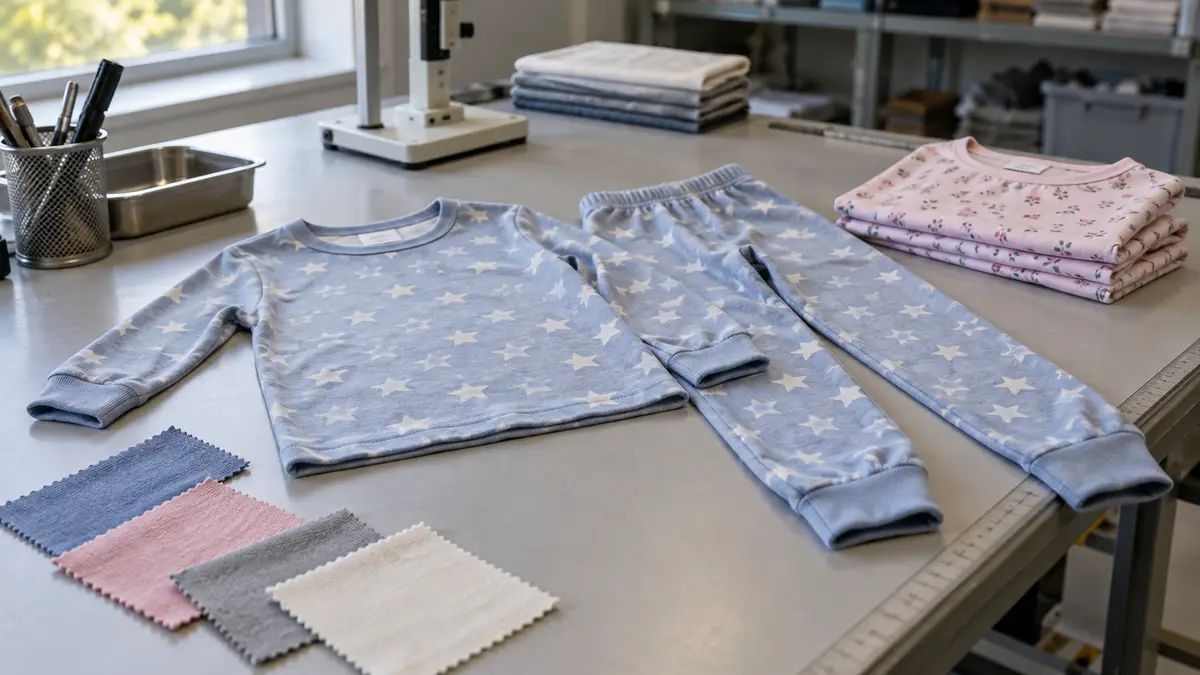
Classify the actual garment before ordering
UK nightwear rules cover nightdresses, pyjamas, dressing gowns, bath robes and garments of a similar nature and use, including babies' garments. Ask the seller for garment photographs, intended wearer, chest measurements and back length. Have a laboratory or compliance adviser check the legal category against the actual design and measurements; do not rely on a marketplace heading such as “loungewear” or “baby clothes”.
Children's nightwear other than pyjamas, legally defined babies' garments and cotton terry towelling bath robes must meet the specified flammability requirements after the prescribed washing. Ask for a written classification before choosing the test scope. For nursery equipment bought alongside clothing, use our baby-product safety guide; those products need their own assessment.
Read the attached label, not just the listing
For children's pyjamas, babies' garments and cotton terry towelling bath robes, fabric that does not meet the specified requirements after washing requires the red wording “KEEP AWAY FROM FIRE”. Qualifying fabric may instead carry the prescribed black low-flammability wording, the red warning, or both. The red warning therefore does not establish whether the fabric passes. Adding it cannot replace the performance requirement for a children's nightdress.
Ask for clear photographs of the label on your sample. Required wording must be legible and durable, with a durable label securely attached at a permitted neck or size-label position. Check the prescribed lettering and colour with your adviser. A loose hangtag or a picture of packaging is insufficient evidence of the attached label. Nightwear made with flame-retardant-treated fabric also requires washing instructions.
Connect the fire evidence to your exact item
Request the full report, rather than a certificate thumbnail or a seller's “fire safe” badge. Compare its sample photographs and fabric description with your chosen listing variant and physical sample. Identify fibre composition, fabric construction, surface finish, print, lace, thread and other trims. Ask the laboratory to explain which tested fabric assemblies cover the finished garment and whether the prescribed washing was included.
Ask for written reasons before accepting a report for another colour, size or finish. Follow our test-report verification guide to check the issuer. Retain the selected listing, report, approved sample and label artwork together. Put fabric, finish and trim substitutions under written approval, and ask the laboratory to assess changes before accepting production.
Resolve missing or contradictory information
Save screenshots showing the seller, listing address, selected variant and safety claims. Request label photographs and supporting evidence in writing. If the seller supplies conflicting photographs, a report for another garment or an unexplained low-flammability claim, hold the order until the discrepancy is resolved. Describe the evidence gap precisely; missing information is a reason to investigate, rather than proof of a particular test failure.
Approve a finished, labelled sample before releasing a resale order. Include label attachment, wording and material identity in the garment inspection brief. Check delivered goods against that sample and keep questionable stock separate while obtaining advice. UK businesses must not sell consumer products they know, or should have known, are unsafe.
Working out your own order? Send us the product on WhatsApp and we reply the same working day: WhatsApp us
Report concerns with evidence
Report missing or misleading safety information through the marketplace's product-safety reporting channel. Include the listing, seller identity, selected variant, label photographs, correspondence and any report mismatch. State whether you have ordered, received or resold the garment. Ask for a case reference and keep the response. Our unsafe-purchase reporting guide covers the separate personal-purchase route.
For business advice, contact Local Authority Trading Standards in Great Britain or Local Authority Environmental Health in Northern Ireland. If you become aware of safety risks or consumer incidents involving a product you have sold, government guidance states a legal duty to report them to the manufacturer, supplier or your local Trading Standards service. Send the evidence pack and explain the stock and customers potentially affected.
Frequently asked questions
Does a red fire warning mean pyjamas failed a test?
No. The rules also allow qualifying fabric to carry the red warning. Ask for the exact-item report and its washing and test scope; the label alone does not establish a pass or failure.
Can a children's nightdress just carry a fire warning?
A warning cannot replace the specified flammability performance requirement for a garment classified as a children's nightdress. Confirm the classification and obtain matching evidence before ordering.
Can I use a report for similar children's nightwear?
Ask the issuing laboratory to assess the differences in fabric, finish, trims and garment construction. Obtain written confirmation of coverage before relying on another item's report.
What should I do if the seller will not show the label?
Hold the order, save the listing and correspondence, and report the information gap to the marketplace. Seek advice from the relevant local authority service if you suspect a safety problem.