Check imported stock against UK safety alerts
Match the identifiers on your actual stock against official UK notices, then record the evidence and any gaps. Hold affected or plausibly affected goods while you resolve uncertainty; a search with no match is not proof of safety. Factory identification checks can be coordinated by Cambridge China Bridge.
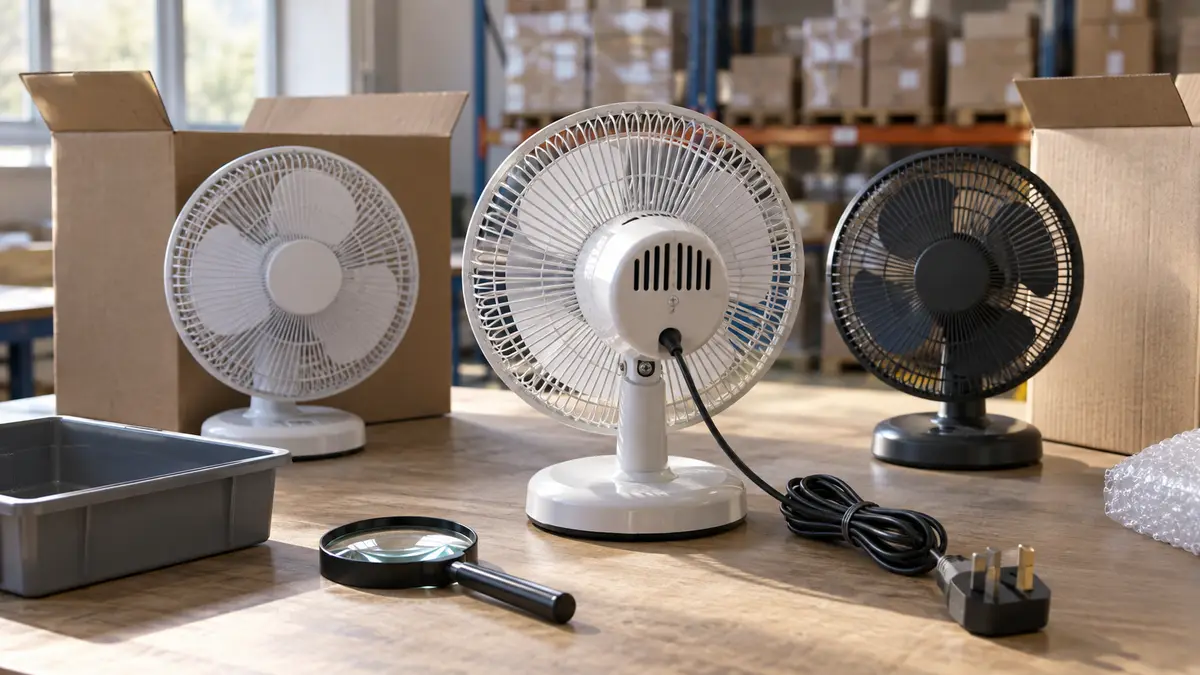
Build an identity record from the goods
Photograph the product, rating plate, packaging, barcode and instructions. Record your stock code alongside the factory model, brand, batch or serial markings, manufacturer and supplied accessories. Use the goods themselves rather than relying only on the invoice or online listing.
Ask the factory to explain model aliases, private-label versions and changes to components or construction. A different brand or colour should not end the enquiry if the underlying product may match. Connect this identity record to your batch traceability records.
Search official notices and read their scope
Search the GOV.UK Product Safety Alerts, Reports and Recalls list using the model, brand, manufacturer and product description separately. Broaden the search if a precise model search finds nothing. Open potentially relevant notices and read the affected identifiers, hazard, corrective action and any attached documents; do not decide from the search-result photograph alone.
The list does not cover food and drink, vehicles, or medicines and medical devices. For those goods, use the category-specific official resources identified on the government's Product Recalls and Alerts guidance page. Keep alert screening alongside your existing product checks; a missing notice does not establish that stock is safe. For incident response, see our guide to serious incidents involving imported medical devices.
Record what matches and what remains unknown
Keep a dated screening record with the search terms, official notice address, notice reference, saved copy and stock photographs. Compare each available identifier and describe the relevant construction or accessory. Mark the result as confirmed match, possible match or no match found, with a written reason and the reviewer's name.
Separate a demonstrated difference from missing information. An unreadable batch code is a gap, not evidence that stock falls outside the notice. Request photographs, production records and a written model cross-reference from the supplier. Where a test report is offered to settle the issue, use our guide to verifying product test reports.
Hold stock while a credible match is unresolved
As a precaution, block sale and dispatch of confirmed or plausible matches, identify their warehouse locations and tell anyone holding the goods for you. If batches cannot be distinguished, hold the potentially affected stock while you establish the boundary. Preserve samples and records; do not send suspect goods back into sale on a supplier's reassurance alone.
For a confirmed match, follow the action specified in the notice and establish whether affected goods have already reached customers. Use our imported-product recall guide for the wider response. Record who can authorise release and the evidence needed, such as a demonstrated exclusion or completed corrective action supported by appropriate assessment.
Working out your own order? Send us the product on WhatsApp and we reply the same working day: WhatsApp us
Seek advice and keep the decision open
Seek advice promptly from Trading Standards or a relevant product specialist when identification remains uncertain, the hazard may apply to your version, or goods have already been supplied. Government guidance explains that businesses must notify the relevant authority about products posing health and safety risks and/or noncompliance. Check that guidance for your product and circumstances; an internal hold does not settle the notification question.
Prepare the identity record, notice comparison, stock locations, distribution records and supplier responses before seeking advice. Our guide to Trading Standards evidence requests helps organise that material. Recheck before releasing held goods and when models, components or supplier information change. Keep the advice, release decision and reasons together.
Frequently asked questions
Does no recall match mean my imported stock is safe?
No. Record which terms and notices you checked, but keep your normal safety and product checks. Missing identifiers or an incomplete search can leave a possible match unresolved.
Should I hold stock with a different brand name?
Hold it as a precaution if the model, construction or accessories plausibly match. Ask the factory for evidence connecting its model names and private-label versions before deciding.
What evidence should I keep for a safety alert check?
Keep the dated search, official notice address and saved copy, product and label photographs, identifier comparison, supplier responses, reviewer and hold or release decision.
Can a factory certificate clear a possible recall match?
Do not release goods on a certificate alone. Check that it identifies the actual product and addresses the notice's hazard. Seek specialist advice where the connection or corrective action remains uncertain.