Can a car seat from China be used in the UK?
Ask for the actual seat's approval label: a circled E with R129 for height-based seats or ECE R44 for weight-based seats. Match it to independently verified evidence for the exact seat and base, then check the child limits and vehicle fit. Reject unresolved mismatches. Checks in China can be coordinated by Cambridge China Bridge.
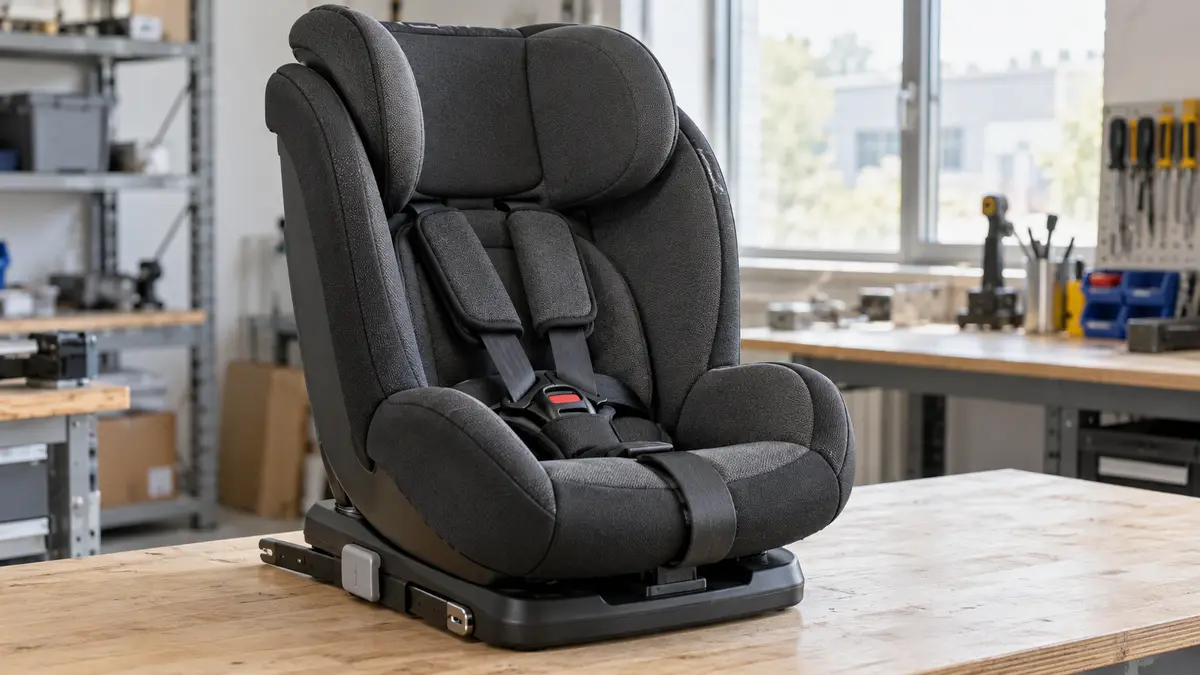
Check the approval label on the actual seat
GOV.UK identifies approved height-based seats by a label showing a capital E in a circle and R129, and approved weight-based seats by a capital E in a circle and ECE R44. Ask for clear photographs of the actual offered seat, its complete approval label, model identification and any separate base. A marketplace image showing a logo does not authenticate the goods.
Do not accept CE, UKCA or a generic safety certificate as the answer to this car-seat approval check. Ask specifically for the restraint's approval evidence. Our baby-product safety guide covers the broader nursery-product checks; this guide adds the restraint, child and vehicle checks.
Trace approval evidence to the exact configuration
Request the complete approval document and supporting reports, rather than a cropped certificate cover. Compare the approval reference, manufacturer, model and covered variants with the physical label, instructions and purchase specification. Include the base, harness, shell, inserts and accessories. Ask the issuer to explain any difference between the seller's model name and the documented model.
Use independently found contact details to ask the named approval issuer to confirm the document and its coverage of the offered configuration. Verify supporting test reports separately with the laboratory, following our test-report verification guide. A genuine report for a similar seat leaves your exact model unresolved.
Check the child's limits and seating direction
Record the intended child's measured height, weight and age. Compare them with the label and instructions for the exact model and each intended mode, including harness and booster use. Ask the manufacturer to resolve conflicting limits before buying. A listing's broad age claim should not replace the product's stated limits.
Height-based seats must remain rear facing until the child is over 15 months old. Do not treat reaching that age as an instruction to turn the seat: also check the manufacturer's limits for the proposed forward-facing mode. For a business order, obtain clear instructions explaining the child limits and permitted modes before approving the sample.
Confirm fit in the intended vehicle
Give the manufacturer the vehicle make, model, year and intended seating position. Request its compatibility information and the instructions for the exact seat and base. Check the specified belt route or anchorage arrangement, and any support leg or top tether, against the vehicle handbook. Arrange a fitting trial with a competent car-seat fitter. Repeat the check for every vehicle in which the seat will be used. If also buying the vehicle from China, see our guide to importing a car for UK road use.
For belt installation, GOV.UK requires a diagonal strap unless the restraint is specifically designed for a lap belt; installation using the specified anchorage points is another exception. Front airbags must be deactivated before fitting a rear-facing baby seat in a front seat, and child car seats must not be fitted in side-facing seats. Reject a proposed installation that cannot satisfy these conditions.
Working out your own order? Send us the product on WhatsApp and we reply the same working day: WhatsApp us
Reject unresolved evidence before ordering
Reject the offered seat if its label is missing or unreadable, approval references conflict, the issuer cannot authenticate the evidence, or the documents describe another configuration. Seller badges, reviews and videos cannot resolve those gaps. If confidentiality blocks verification, ask the approval holder to authorise confirmation; continued silence leaves the check unresolved.
Keep the listing, label photographs, issuer replies, instructions and fit decision together. For a stock order, approve a physical sample and require written approval before substitutions. Use our bulk-production guide to control the link between that sample and shipment. Cambridge China Bridge's own staff in China can coordinate sample identification and supplier evidence collection.
Frequently asked questions
What approval mark should a UK child car seat have?
GOV.UK describes a capital E in a circle with R129 for approved height-based seats, or ECE R44 for approved weight-based seats. Check the actual label and verify evidence for the exact model.
Is a CE certificate enough for a car seat?
Do not accept it as the answer to the restraint approval check. Request the actual approval label and documents, then match them to the offered seat, base and accessories.
Will a marketplace car seat fit my car?
Ask the manufacturer about your exact vehicle and seating position. Check the seat and vehicle instructions, then arrange a fitting trial with the exact seat and base before relying on the listing.
Can I use a certificate for a similar car seat?
Do not assume coverage. Ask the approval issuer to confirm that the offered model and configuration are covered. Reject unresolved differences rather than relying on the seller's assurance.