Sourcing Xylophones from China
Xylophones from China classified as percussion musical instruments carry a flat 2% UK duty, with no listed trade remedy. Confirm with the relevant authority the consumer-instrument safety requirements and whether toy safety rules apply to xylophones intended as children's playthings. Check the bar species and any material controls before ordering. Cambridge China Bridge sources xylophones.
Buying from China for a business? How our UK China sourcing agent service works · China sourcing agent for small orders and first imports
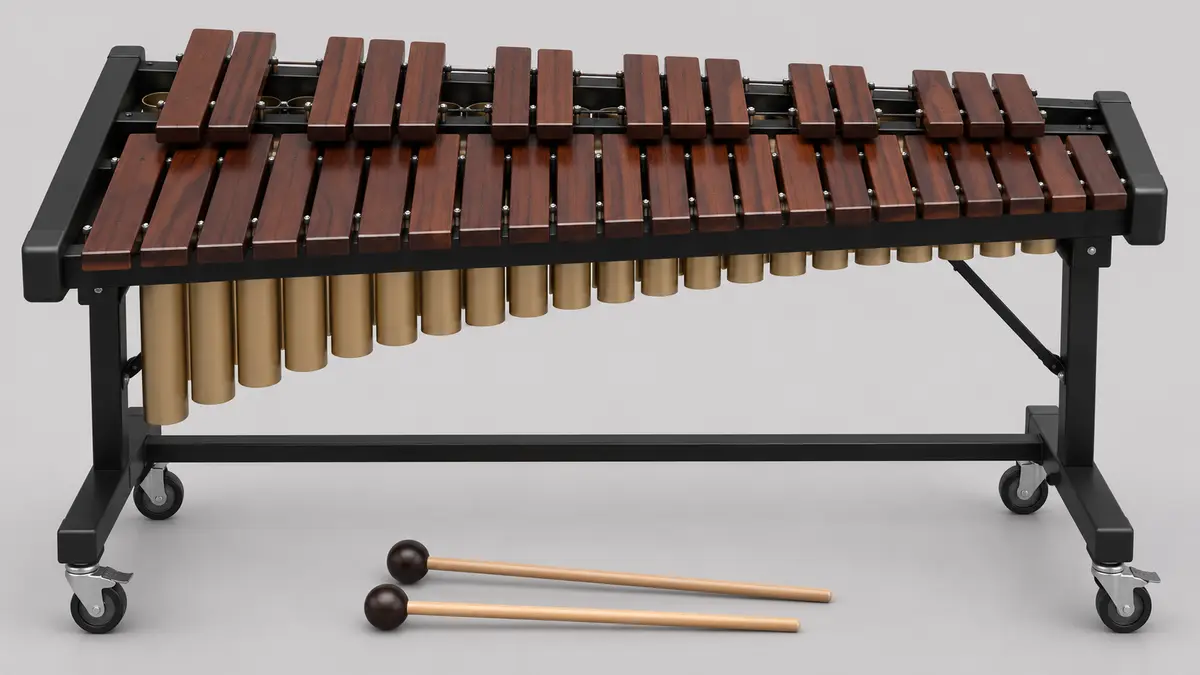
Xylophone duty and material controls
Read from the UK Trade Tariff on 2 October 2026, heading 9206 covers percussion musical instruments, including xylophones. The supplied line, 9206 00 00 00, carries 2% duty on goods from China, with no listed anti-dumping or countervailing duty and no suspension. The table shows xylophone variants sharing that line.
The tariff attaches CITES, ivory and cat and dog fur import controls. For wooden bars, identify the species and confirm whether CITES documentation applies; obtain any required British and Chinese permits before movement. Covered ivory needs an exemption, and buyers must check registration or certification before taking ownership. Imports containing cat or dog fur are banned. Ask your customs broker to confirm the documents for the actual materials.
Confirm the commodity code using the intended use, materials and sound production. A musical instrument and a children's toy are different classifications. The tariff also lists export controls and a cultural-object export licence measure; ask your broker about these if re-exporting. See the marimba guide for a related instrument within the wider percussion heading.
| Goods | Commodity code | Duty | Anti-dumping or countervailing duty on China |
|---|---|---|---|
| Diatonic tabletop xylophones, musical instruments | 9206 00 00 00 | 2% | None |
Specify wooden bars, tuning and support
Specify the bar material and botanical species, note range, diatonic or chromatic layout, tuning reference and acceptance tolerance. Agree bar dimensions, removable-bar arrangements, suspension cord, resonators where fitted, frame height adjustment and mallet material. Approve a playable sample and retain its tuning record.
State whether the product is an instrument or intended for children to play with. Confirm with the relevant authority the applicable consumer product and toy safety requirements, including any marking, technical documentation and UK importer identification requirements. Our testing and certification service can help organise the checks.
Worked duty example
Illustrative example, not a quote: 400 tabletop xylophones, illustrative order under 9206 00 00 00, invoiced at £28,000 free on board, with £900 of freight and insurance to the UK. The customs value is £28,900. Duty at 2% is £578. Import VAT at 20% is charged on the customs value plus duty, £29,478, so it is £5,895.60. Import taxes total £6,473.60; a VAT-registered importer can usually reclaim the VAT, so the lasting cost is the £578 of duty. The import duty and VAT guide explains each step.
Inspection checklist
Pitch and tone: play every bar on sampled instruments, compare pitch with the agreed reference and listen for buzzing, muted notes or uneven sustain.
Bars and suspension: check cracks, splinters, warping, finish, note labels and secure supports; confirm removable bars seat correctly without touching adjacent bars.
Frame and mallets: check stability, adjustment locks and castors where fitted; check mallet heads remain secure and handles are smooth.
Packing and identity: check bar separation, padding, moisture damage and carton labels against the order; match the materials declaration and applicable compliance documents to the supplied model.
Working out your own order? Send us the product on WhatsApp and we reply the same working day: WhatsApp us
What goes wrong
A sample can sound acceptable while production bars vary in pitch or sustain. Tight suspension, misplaced supports or bars touching the frame can mute notes or cause buzzing. Material substitutions can change tone and make the species declaration unreliable.
Loose bars strike each other in transit, thin frames twist and exposed mallets damage the finish. Inspect the packed production model as well as the assembled instrument, then repeat the playing checks on arrival. Use the quality inspection guide to set out the checks.
Cambridge China Bridge sources these products for UK businesses, checking the factory and the documents before shipment. See factory verification. For own-brand ranges, see sourcing for brands.
Frequently asked questions
What is the UK import duty on xylophones from China?
Musical-instrument xylophones under 9206 00 00 00 carry 2% duty in the supplied tariff snapshot, with no listed trade remedy or suspension.
Is a children's xylophone a toy?
If designed or intended for children under 14 to play with, confirm with the relevant authority whether toy safety rules apply. Confirm classification and compliance from its design and intended use.
Do wooden xylophones need CITES paperwork?
It depends on the species and applicable listing or exemption. Identify the botanical species and confirm the documentation before ordering; the tariff attaches a CITES import control.
How should I check a xylophone sample?
Play every bar, record pitch against the agreed reference, listen for buzzes and uneven sustain, and check bar supports, frame stability, mallets and packed protection.