Sourcing cotton inspection gloves from China
Woven cotton inspection gloves from China carry 6% UK duty, with a conditional 0% suspension. Fibre content must be labelled; for gloves sold to protect the wearer, confirm applicable PPE conformity-assessment and marking requirements with the relevant authority. Specify lint shedding, fit and seams for the handling task. Cambridge China Bridge sources woven cotton inspection gloves.
Buying from China for a business? How our UK China sourcing agent service works · China sourcing agent for small orders and first imports
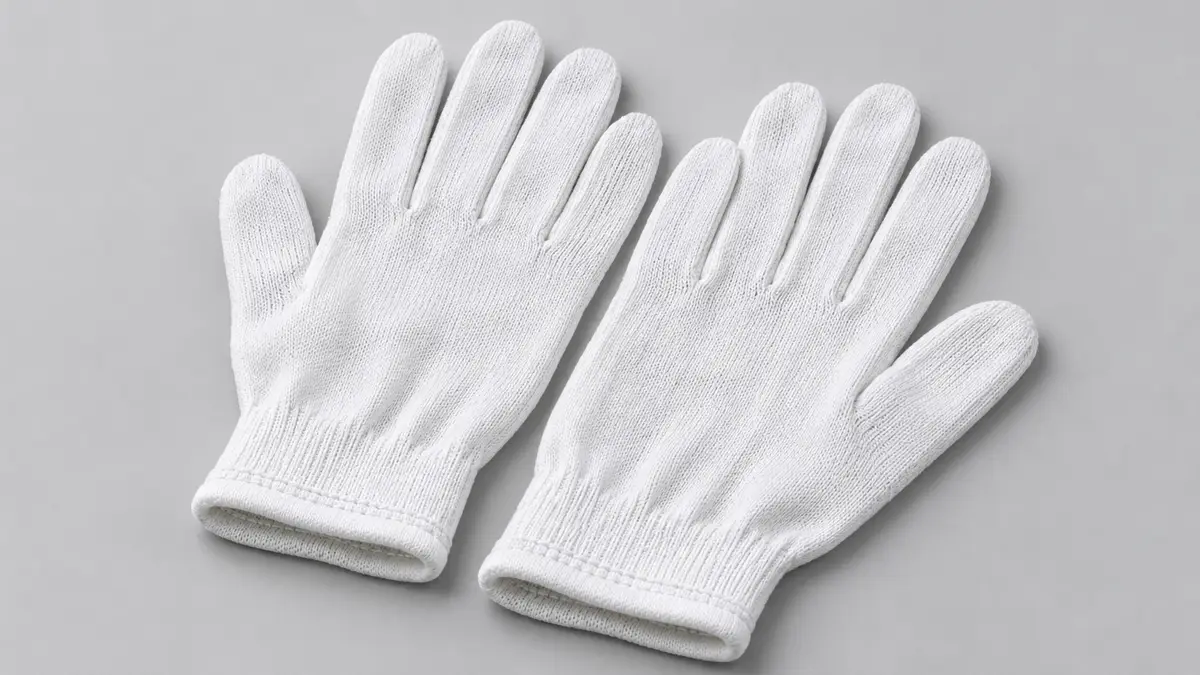
Duty and suspension for woven cotton gloves
Read from the UK Trade Tariff on 1 October 2026, heading 6216 covers gloves, mittens and mitts. Woven cotton inspection gloves fall within 6216 00 00 00, carrying 6% duty from China, with no anti-dumping or countervailing measure listed. The supplied tariff facts record a 0.00 % suspension for textile gloves that are not knitted or crocheted. The wider published guide describes additional COVID-19 document conditions; confirm eligibility with your customs broker before using the suspension.
The tariff attaches CITES, cat and dog fur, and seal-product import controls. CITES specimens need an import permit; cat and dog fur products are banned from import. Seal products brought into Great Britain for trade need a seal catch certificate. Specify cotton gloves without animal trims, and ask your customs broker to confirm the requirements and declaration evidence for goods from China, including whether these controls apply to the actual materials.
The table shows glove variants sharing the supplied commodity line, rather than separate tariff subdivisions. Confirm construction and materials using finding your commodity code, and consult the wider woven fabric gloves guide.
| Goods | Commodity code | Duty | Anti-dumping or countervailing duty on China |
|---|---|---|---|
| Woven cotton inspection gloves, unlined | 6216 00 00 00 | 6% | None |
Specify cotton fabric, lint shedding and fit
Specify woven cotton fabric, declared fibre composition, fabric weight, colour, finger lengths, palm width, thumb position and cuff construction. Agree whether gloves are handed or interchangeable, how pairs are packed and whether they will be washed and reused. Keep an approved sample and test handling on the buyer's actual surfaces, checking for fibres, snagging and marks.
Define whether the purpose is to keep handled objects clean or to protect the wearer. For gloves sold as protective equipment, confirm applicable PPE conformity-assessment and UKCA or CE marking requirements with the relevant authority. Textile labels must show fibre content. Agree any protective claims and supporting evidence before printing packaging; a cotton inspection glove should not be specified on the assumption that it provides cut or chemical protection.
Worked duty example
Illustrative example, not a quote: 500 pairs of woven cotton inspection gloves; illustrative order under 6216 00 00 00, invoiced at £1,500 free on board, with £500 of freight and insurance to the UK. The customs value is £2,000. Duty at 6% is £120. Import VAT at 20% is charged on the customs value plus duty, £2,120, so it is £424. Import taxes total £544; a VAT-registered importer can usually reclaim the VAT, so the lasting cost is the £120 of duty. The import duty and VAT guide explains each step.
Inspection checklist
Fabric and cleanliness: compare weave and weight with the approved sample; check loose fibres, oil marks, odour and colour transfer on the intended handling surface.
Fit and seams: measure finger lengths and palm width across ordered sizes; flex the hand and pull seams at fingertips, the thumb junction and cuff.
Washing: wash and dry samples using the agreed care method; compare shrinkage, seam distortion, cuff recovery and lint shedding afterwards.
Labels and packing: check fibre declarations against the agreed material, size identification, pairing and carton contents. For protective versions, check the evidence matches the supplied glove. Use the quality inspection guide to agree the inspection brief.
Working out your own order? Send us the product on WhatsApp and we reply the same working day: WhatsApp us
What goes wrong
A supplier may substitute knitted gloves for the woven sample, change cotton to a blend or use fabric that sheds fibres onto inspected items. Thick internal seams can reduce finger movement, while poor thumb placement makes gloves awkward to wear. Agree rejection criteria using samples and handling trials rather than relying on a catalogue photograph.
A glove that looks clean can still transfer lint or finishing residues. Washing may expose shrinkage and weak seams. Keep object-handling claims separate from wearer-protection claims in the specification, and investigate any protective wording before approving labels.
Cambridge China Bridge sources these products for UK businesses, checking the factory and the documents before shipment. See factory verification. For own-brand ranges, see sourcing for brands.
Frequently asked questions
What is the UK import duty on woven cotton inspection gloves from China?
The supplied tariff facts show 6% under 6216 00 00 00 and a conditional 0.00 % suspension for non-knitted textile gloves. Confirm suspension eligibility with your customs broker.
Do cotton inspection gloves need CE or UKCA marking?
Define whether the intended function is object handling or protection of the wearer before agreeing claims.
Are woven cotton inspection gloves lint-free?
Do not assume this from the material name. Compare samples on the intended surface before and after washing, and agree an acceptable level of fibre shedding.
What should the factory put on the textile label?
The label must show fibre content. Check that the declaration matches the supplied fabric, and agree size identification, care information and packing details with the factory.