Sourcing woven sailing gloves from China
Woven sailing gloves from China have a standard UK duty of 6%, with a suspension to 0% listed for qualifying non-knitted textile gloves. For gloves intended to protect against injury, confirm the applicable protective-equipment assessment and marking requirements for Great Britain with the relevant product-safety authority. Cambridge China Bridge sources woven sailing gloves.
Buying from China for a business? How our UK China sourcing agent service works · China sourcing agent for small orders and first imports
Standard duty and the textile-glove suspension
Read from the UK Trade Tariff on 1 October 2026, heading 6216 covers gloves, mittens and mitts. The supplied line carries 6% duty for China and lists an autonomous suspension to 0% for textile gloves that are not knitted or crocheted. No anti-dumping or countervailing duty is listed. Have your broker confirm the suspension conditions before using it.
The tariff attaches CITES, cat and dog fur, and seal-product import controls. Cat and dog fur products are prohibited for commercial import. Seal products face a market ban with limited exceptions. If animal material is proposed, confirm species, CITES permit requirements and any seal-product exception and documentation with your broker before ordering.
The table shows buying variants under the same commodity line. Confirm textile construction and palm materials against the commodity code, especially where leather reinforcement is substantial. For wider heading context, see woven textile cycling gloves.
| Goods | Commodity code | Duty | Anti-dumping or countervailing duty on China |
|---|---|---|---|
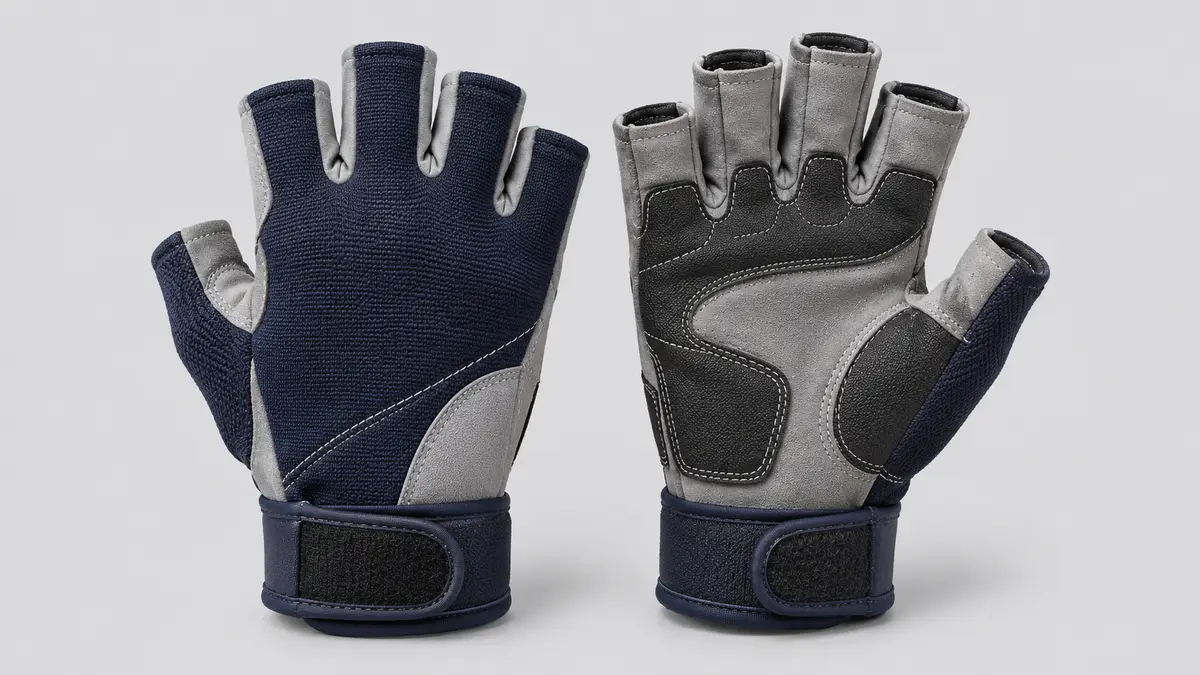
| Short-finger woven textile sailing gloves | 6216 00 00 00 | 6% | None |
Specify rope grip, finger coverage and protection
Specify the woven shell, palm reinforcement material, reinforcement position, finger coverage, thumb shape, wrist fastening and size chart. Name the rope types and wet-use conditions for sample trials. Compare grip, dexterity and comfort after soaking and drying, rather than approving a glove from its appearance alone.
For gloves sold as protective equipment, confirm the applicable conformity assessment and CE or UKCA marking requirements for Great Britain with the relevant product-safety authority. Agree the intended protection before selecting tests or printing claims. Ask for reports covering the exact palm material, seams and design being ordered. Use testing and certification support to review the proposed evidence.
Worked duty example
Illustrative example, not a quote: Illustrative order: 500 pairs of woven sailing gloves under 6216 00 00 00, invoiced at £6,000 free on board, with £800 of freight and insurance to the UK. The customs value is £6,800. Duty at 6% is £408. Import VAT at 20% is charged on the customs value plus duty, £7,208, so it is £1,441.60. Import taxes total £1,849.60; a VAT-registered importer can usually reclaim the VAT, so the lasting cost is the £408 of duty. The import duty and VAT guide explains each step.
Inspection checklist
Fit: check every ordered size against the agreed chart, with fingers bent around the intended rope; look for pressure at the thumb crotch and restricted finger movement.
Palm and seams: compare reinforcement coverage with the approved sample; pull seams at the thumb and finger ends, and check exposed edges for lifting.
Wet handling: trial grip on wet rope, inspect dye transfer onto damp hands and compare stiffness after drying.
Claims and packing: match model identification, size markings and protective claims to the approved documents; check pairs and size assortments using the inspection guide.
Working out your own order? Send us the product on WhatsApp and we reply the same working day: WhatsApp us
What goes wrong
A sample can grip well when dry but become slippery or stiff after wet use. Reinforcement can stop short of the rope-contact area, while bulky seams make fingers difficult to close. Approve a wet-use sample and retain it for production comparison.
A factory may substitute a palm coating or reinforcement while keeping the same model name. Require approval of material changes and review the supporting protective-performance evidence before accepting the revised design.
Cambridge China Bridge sources these products for UK businesses, checking the factory and the documents before shipment. See factory verification. For own-brand ranges, see sourcing for brands.
Frequently asked questions
What is the UK import duty on woven sailing gloves from China?
The supplied tariff snapshot lists 6% standard duty and a suspension to 0% for qualifying non-knitted textile gloves. Ask your broker to confirm the suspension conditions.
Do woven sailing gloves need CE or UKCA marking?
Agree the intended protection and evidence before ordering.
How should I test sailing-glove samples?
Try the intended rope wet and dry. Check grip, finger movement, thumb comfort, seam strength, colour transfer and stiffness after drying against the approved specification.
Can I use the same code for leather sailing gloves?
Do not assume so. Leather gloves fall under a different heading. Give your broker the complete material breakdown and construction details before confirming classification.