Sourcing work gloves and knitted gloves from China
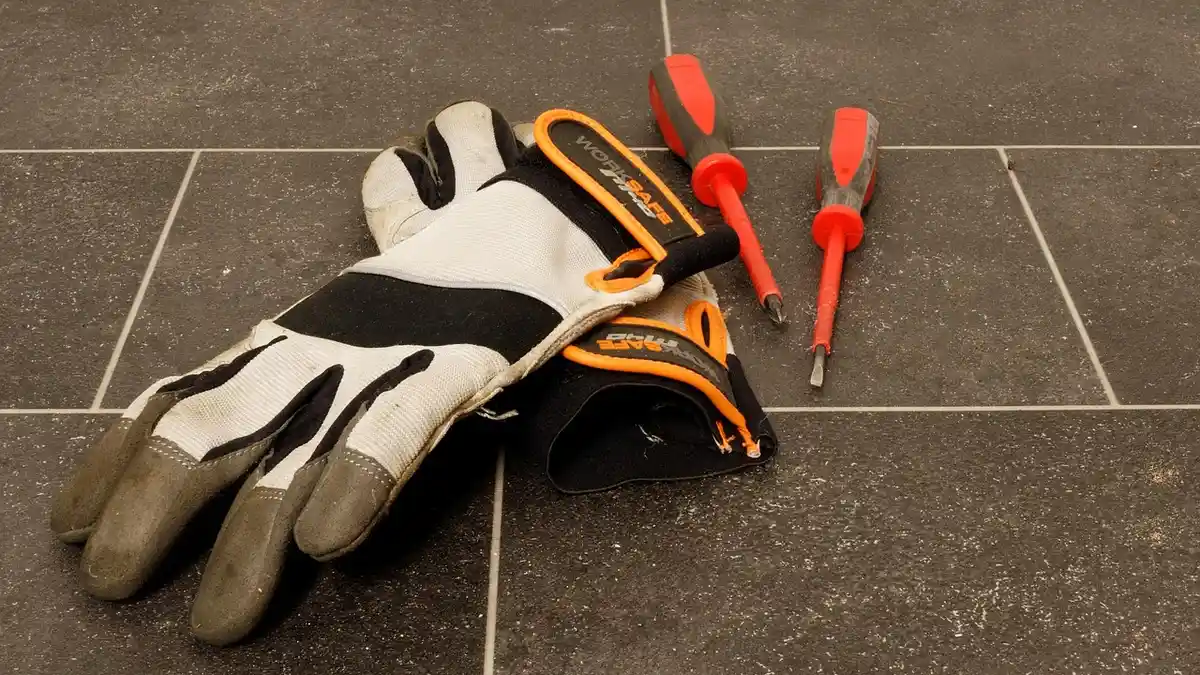
Coated knitted work gloves from China, such as nitrile, latex and PU gloves, carry 8% UK duty but enter at 0% until 31 December 2028 when the suspension is claimed with code 9Y11; uncoated knitted gloves pay 8%. Category I gloves against superficial mechanical injury are self-certified PPE, while gloves against greater risks need an approved body. Cambridge China Bridge sources work gloves.
Buying from China for a business? How our UK China sourcing agent service works · China sourcing agent for small orders and first imports
Duty
Read from the UK Trade Tariff on 25 September 2026, knitted gloves impregnated, coated or covered with rubber or plastics, and knitted gloves of cotton, synthetic fibres, wool or other materials, carried 8% duty on goods from China, with no anti-dumping measure. Disposable gloves of rubber are a different heading; see the medical and PPE guide. For examination gloves, see our guide to sourcing nitrile examination gloves.
A suspension changes the coated lines: knitted or crocheted gloves impregnated or covered with plastics or rubber under 6116 10 20 91 and 6116 10 80 91 enter at 0% until 31 December 2028 when the declaration claims it with document code 9Y11. Uncoated knitted gloves of cotton or synthetic fibres stay at 8%. The same suspension applies to laminated coated gloves under 6116 10 20 11, 6116 10 20 19, 6116 10 80 11 and 6116 10 80 19.
Confirm the commodity code by coating and fibre, since the tariff splits coated gloves by laminated or not.
| Goods | Commodity code | Duty | Anti-dumping duty on China |
|---|---|---|---|
| Knitted gloves coated with rubber (for example nitrile or latex), other | 6116 10 20 91 | 8%; 0% with code 9Y11 until 31 Dec 2028 | None |
| Knitted gloves coated with plastics (for example PU), other | 6116 10 80 91 | 8%; 0% with code 9Y11 until 31 Dec 2028 | None |
| Knitted gloves of cotton | 6116 92 00 00 | 8% | None |
| Knitted gloves of synthetic fibres | 6116 93 00 00 | 8% | None |
PPE category
Annex I of Regulation 2016/425, as it applies in Great Britain, puts superficial mechanical injury and contact with cleaning materials of weak action in category I, which the manufacturer can self-certify, and every risk not in categories I or III into category II. Work gloves claiming cut, abrasion or tear protection beyond superficial injury are therefore category II PPE unless a category III risk applies, needing type examination by a UK approved body or an EU notified body under the applicable conformity assessment route before UKCA or CE marking.
Ask for the certificate and test reports for the exact glove, with the performance levels marked on the glove, and check them at inspection; the cycle helmet guide explains PPE routes in more detail.
Specification
Gloves are specified by gauge of the knit, liner fibre, coating material and coverage, sizes and colour. Coating consistency and seam strength are the usual faults; check them with the size markings on samples from each batch.
Winter and fashion knitted gloves need a fibre composition label under Article 14 of Regulation 1007/2011 as it applies in Great Britain. For touchscreen styles, see our guide to sourcing knitted touchscreen gloves.
Worked duty example
Suppose, purely for illustration, you import 60,000 pairs of nitrile-coated work gloves under 6116 10 20 91. At £18,000 free on board and £1,500 to ship and insure, the customs value is £19,500. With 0% duty on coated work gloves under the suspension, the only charge is import VAT: 20% of £19,500, or £3,900. VAT-registered businesses usually recover that in their next return. That assumes the declaration claims the suspension with document code 9Y11; without it the 8% rate would add £1,560 of duty. The method is set out in how UK import duty and VAT work.
Inspection checklist
Cut and coating: for cut-resistant gloves, check the cut level letter is backed by a TDM test to ISO 13997, and weigh a set of gloves per batch to confirm the coating weight agreed with the approved sample.
Chemicals in the coating: ask for PAH test results on rubber-coated gloves against entry 50 of UK REACH Annex XVII, since gloves are in prolonged skin contact, and state natural rubber latex on the pack where it is used.
Size and count: measure a sample of pairs from every size against the size chart, check the size and marking printed on each cuff, and count pairs per bag, dozen and carton against the packing list.
Working out your own order? Send us the product on WhatsApp and we reply the same working day: WhatsApp us
What goes wrong
Work gloves fail on the coating, the liner and the claims. Coating coverage is uneven or soaks through the liner, the palm coating peels after light use, the liner gauge is coarser than ordered, and sizes marked on the cuff do not match the glove. EN 388 performance levels printed on the glove are copied from another model, and gloves sold as category II lack the approved body certificate.
Check coating coverage and penetration on gloves cut open from each batch, flex and abrade the palm by hand, measure length and palm width against the size markings and BS EN ISO 21420, ask for the EN 388 test report and type examination certificate for the exact model, and check the marking and user information in each pack.
Minimums and packing
Work gloves are bought in dozens by size, often in retail packs or bulk bags with the brand on the cuff. Cambridge China Bridge sources work gloves and knitted gloves, with the PPE category, certification, marking and packing settled before production. See how our sourcing service works. For UK brands selling into China, see our guide to exporting gloves and hats to China.
Related guides: Sourcing sunglasses and safety glasses from China and Sourcing woven fabric gloves from China.
Related guides: Sourcing branded and embroidered workwear from China.
Frequently asked questions
What is the UK import duty on work gloves from China?
Read from the UK Trade Tariff on 26 September 2026, coated knitted work gloves carry 8% but enter at 0% until 31 December 2028 when the suspension is claimed with code 9Y11; cotton and synthetic knitted gloves pay 8%.
Are work gloves category II PPE?
Gloves protecting against more than superficial mechanical injury are category II under the retained PPE Regulation, needing an approved body; category I covers minimal risks only.
What should be marked on protective gloves?
The UKCA or CE mark and the performance levels from the test, with the certificate and reports for the exact glove.
Do knitted winter gloves need a fibre label?
Yes. Article 14 of Regulation 1007/2011 as it applies in Great Britain requires fibre composition on the label.