Sourcing knitted compression gloves from China
Knitted compression gloves from China carry 8% duty on the selected uncoated lines; qualifying coated lines can enter at 0% under suspension. Check whether the intended purpose makes the glove a medical device before agreeing claims and packaging. Cambridge China Bridge sources knitted compression gloves.
Buying from China for a business? How our UK China sourcing agent service works · China sourcing agent for small orders and first imports
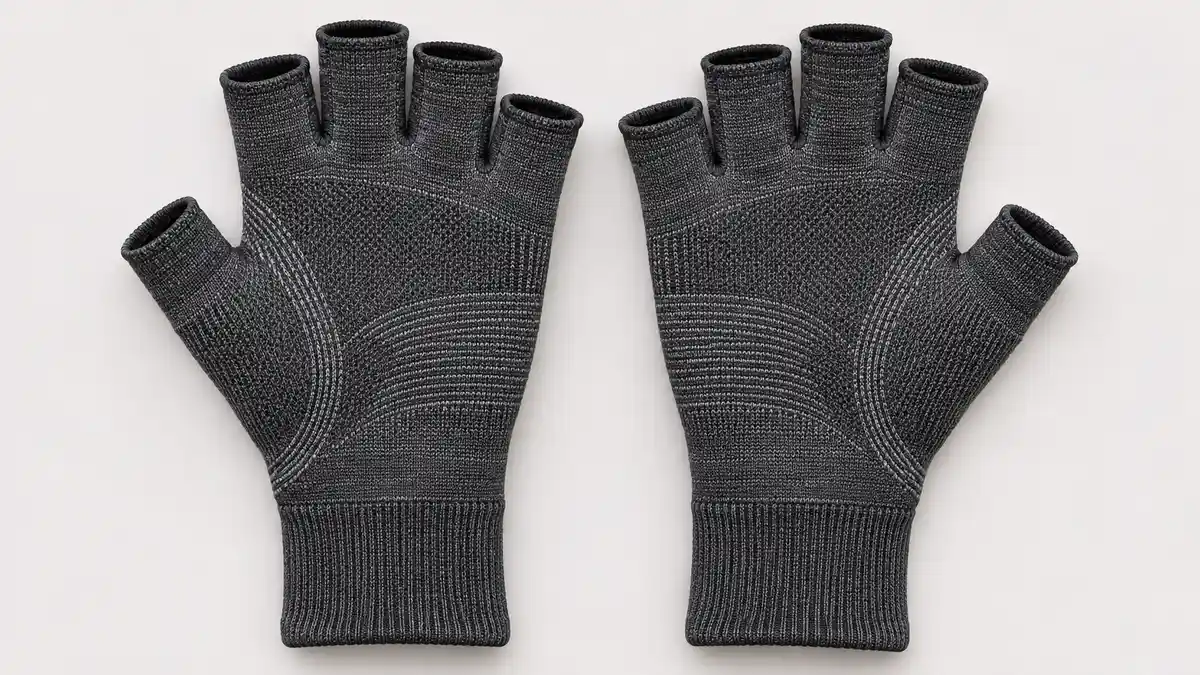
UK duty on knitted compression gloves
Read from the UK Trade Tariff on 30 September 2026, heading 6116 covers knitted or crocheted gloves, mittens and mitts. The selected uncoated lines carry 8% duty from China, with no anti-dumping or countervailing duty recorded. They have no suspension. Qualifying gloves impregnated or covered with plastics or rubber have a 0% suspension under the coated lines; do not apply it to an uncoated compression glove.
The tariff attaches cat and dog fur and seal-product controls. Confirm the import and export restrictions on cat and dog fur products with the relevant authority before sourcing any such material. Seal products can only be imported and placed on the market for sale in limited cases where strict conditions are met; confirm the applicable exemption and documentation with the relevant authority or your broker before sourcing any seal material from China. Wool and other-textile lines also attach CITES controls. Listed species require permits; ask your broker to confirm the species and applicable paperwork.
Confirm the commodity code against the actual fibre blend, knit construction and any coating. These are candidate lines, not classifications for every compression glove. See knitted glove liners for the wider heading.
| Goods | Commodity code | Duty | Anti-dumping or countervailing duty on China |
|---|---|---|---|
| Uncoated cotton knitted compression gloves | 6116 92 00 00 | 8% | None |
| Uncoated synthetic-fibre knitted compression gloves | 6116 93 00 00 | 8% | None |
| Uncoated knitted compression gloves of other textile materials | 6116 99 00 00 | 8% | None |
| Uncoated wool or fine-animal-hair knitted compression gloves | 6116 91 00 00 | 8% | None |
Specify compression, fit and intended use
Specify fibre composition, elastic yarn, knit structure, full-finger or fingerless construction, thumb opening and cuff design. Agree palm circumference, finger length and finished dimensions for each size. Define how compression will be measured, the hand dimensions used for testing and acceptance criteria after washing. A snug sample alone does not establish a pressure claim.
Separate everyday comfort positioning from a proposed medical purpose, such as alleviating arthritis symptoms. MHRA guidance bases borderline decisions on intended purpose and mode of action. If the glove is a medical device, registration with MHRA is required before placement on the Great Britain market, and a manufacturer outside the UK must appoint a UK responsible person. Before printing packaging, review the applicable conformity route and evidence for the exact model.
For textile gloves, confirm the fibre-content and any animal-part labelling requirements with the relevant trading standards authority. Approve composition wording, care instructions and size guidance with the sample. Keep pressure claims separate from ordinary size markings.
Worked duty example
Illustrative example, not a quote: Illustrative order: 500 pairs of synthetic-fibre knitted compression gloves; FOB value and freight are illustrative, not a quotation. under 6116 93 00 00, invoiced at £3,900 free on board, with £700 of freight and insurance to the UK. The customs value is £4,600. Duty at 8% is £368. Import VAT at 20% is charged on the customs value plus duty, £4,968, so it is £993.60. Import taxes total £1,361.60; a VAT-registered importer can usually reclaim the VAT, so the lasting cost is the £368 of duty. The import duty and VAT guide explains each step.
Inspection checklist
Fit: measure palm, fingers, thumb opening and cuff against the approved chart; check that fingerless edges do not curl or restrict movement.
Compression: compare pressure-test evidence with the ordered construction and sizes; repeat the agreed stretch and recovery checks after washing.
Construction: inspect dropped stitches, abrasive seams, loose elastic ends and uneven tension around the thumb and finger openings.
Arrival and labels: check damp cartons, shade variation, paired sizes and approved wording; use the inspection guide to agree records.
Working out your own order? Send us the product on WhatsApp and we reply the same working day: WhatsApp us
What goes wrong
A replacement elastic yarn can change compression without visibly changing the glove. Tight cuffs, bulky thumb seams and inconsistent finger openings can undermine fit. Washing may relax the knit or distort dimensions, so retain both unwashed and washed approval samples and compare production stock on arrival.
A supplier may offer a generic report that does not identify the ordered glove, yarn or size range. Ask for model-specific evidence before accepting pressure claims. Treat proposed pain-relief wording as a reason to review medical-device status before approving packaging, rather than copying the supplier's listing.
Cambridge China Bridge sources these products for UK businesses, checking the factory and the documents before shipment. See factory verification. For own-brand ranges, see sourcing for brands.
Frequently asked questions
What is the UK import duty on knitted compression gloves from China?
The selected uncoated lines carry 8%. Qualifying knitted gloves impregnated or covered with plastics or rubber have a 0% suspension under coated lines. The supplied record shows no anti-dumping or countervailing duty.
Are knitted compression gloves medical devices?
Assess the intended purpose and mode of action. Proposed arthritis or pain-relief claims warrant a medical-device review. Do not assume that every snug knitted glove has the same regulatory status.
How should I specify compression to a Chinese factory?
Agree the yarn, knit, size chart, pressure-test method, test hand dimensions and acceptance criteria. Require evidence for the ordered model and sizes, including performance after the agreed washing method.
What should I check when compression gloves arrive?
Check paired sizes, palm and finger dimensions, cuff recovery, seams and thumb openings. Compare labels and pressure evidence with the approved model, and repeat the agreed washing and recovery checks.