Sourcing wooden plant labels from China
Wooden plant labels from China carry 0% UK duty across the relevant solid-wood, bamboo and fibreboard lines. Confirm the material and species: CITES controls can affect the residual wood code, and consumer products must be safe. Cambridge China Bridge sources wooden plant labels.
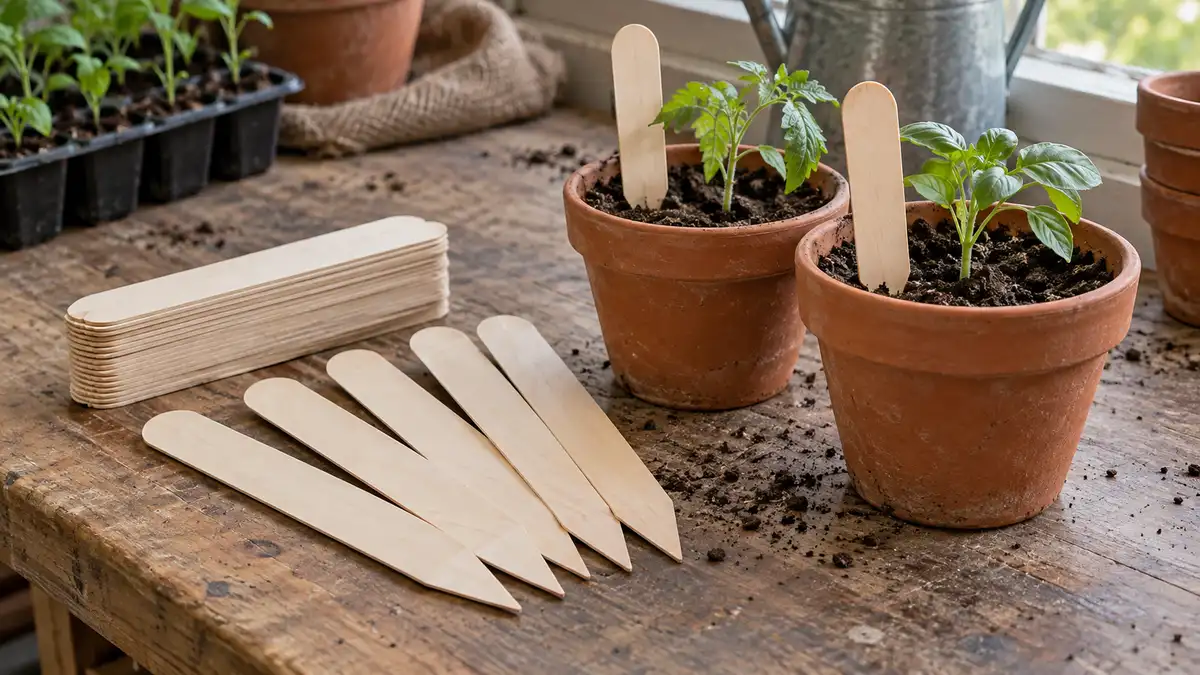
Duty and species checks
Read from the UK Trade Tariff on 8 October 2026, heading 4421 covers other articles of wood. Candidate plant-label lines cover bamboo, fibreboard and residual wooden articles, all at 0% duty from China. Plain and engraved solid-wood labels share the residual candidate code; they are shown separately for specification purposes. These lines show no anti-dumping or countervailing duty and no suspension.
The residual wood line carries CITES import control. Check the species and product coverage with APHA before ordering Chinese timber labels; listed species can require permits. The tariff also attaches a torture-and-repression import prohibition to the bamboo and residual wood lines, and cultural-object and torture-related export controls to the relevant lines. Ask your customs broker to confirm their applicability to the actual goods.
Confirm the material, construction and intended use through finding your commodity code. For the wider heading, see wooden garden trellis panels. This guide addresses imports into Great Britain. See our guide to sourcing wooden curtain poles.
| Goods | Commodity code | Duty | Anti-dumping or countervailing duty on China |
|---|---|---|---|
| Plain solid-wood plant labels | 4421 99 99 99 | 0% | None |
| Bamboo plant labels | 4421 91 00 00 | 0% | None |
| Fibreboard plant labels | 4421 99 10 00 | 0% | None |
Specify the stake and writing surface
State the timber species or board construction, overall dimensions, thickness, writing area and shape of the insertion end. Distinguish untreated wood, coated wood, bamboo and fibreboard. Agree whether buyers will write with pencil or a particular marker, or receive printed or engraved plant names.
Define the intended setting: indoor pots, greenhouse trays or outdoor beds. Agree sample checks for wetting and drying, bending during insertion, and legibility after exposure. Do not accept an outdoor-use claim from appearance alone. Businesses must not sell consumer products they know, or should have known, are unsafe.
Worked duty example
Illustrative example, not a quote: Illustrative order of 3000 plain wooden plant labels under 4421 99 99 99, invoiced at £1,530 free on board, with £50 of freight and insurance to the UK. The customs value is £1,580. Duty at 0% is £0. Import VAT at 20% is charged on the customs value plus duty, £1,580, so it is £316. With no duty, the only import tax is the VAT, which a VAT-registered importer can usually reclaim. The import duty and VAT guide explains each step.
Inspection checklist
Material: compare species, grain, board construction and finish with the approved sample; check for mould and unexpected odour.
Shape and edges: measure the stake and writing area; check splinters, cracks, rough edges and excessive sharpness at the insertion end.
Writing and finish: try the agreed pencil or marker; rub printed names and examine engraving for missing characters or scorched edges.
Wet use and packing: wet and dry samples, then check warping, swelling and legibility; count packs and inspect for broken tips. Include these checks in your inspection brief.
Working out your own order? Send us the product on WhatsApp and we reply the same working day: WhatsApp us
What goes wrong
Thin stakes split during insertion, coatings repel the intended marker, printing rubs off and fibreboard swells when watered. Damp packs can arrive mouldy, while engraved names become difficult to read against dark grain. Approve samples using the intended writing tool and growing conditions, then repeat those checks on production stock.
A supplier's description of the wood may omit the species or substitute a different material. Collect the material declaration before shipment and resolve CITES questions before committing to the order. Keep supplier-identification records so the products' origins can be traced.
Cambridge China Bridge sources these products for UK businesses, checking the factory and the documents before shipment. See factory verification. For repeat volumes, see container programmes.
Frequently asked questions
What is the UK import duty on wooden plant labels from China?
The relevant solid-wood, bamboo and fibreboard lines show 0% duty from China, with no anti-dumping or countervailing duty recorded. Confirm the code against the actual material.
Do wooden plant labels need CITES checks?
The residual wooden-articles line carries CITES control. Identify the species and ask APHA to confirm product coverage and the permit position before ordering.
Can fibreboard plant labels be used outdoors?
Agree wetting-and-drying checks before accepting an outdoor-use claim. Look for swelling, softened tips, warped stakes and writing that becomes unreadable.
What should I check on arrival?
Check material, dimensions, splinters, broken tips, mould, pack counts and writing performance. Compare printing or engraving with the approved artwork.