Sourcing women's woven culottes from China
Women's woven culottes on the selected divided-skirt lines carry a flat 12% UK duty from China, with no listed trade remedies or suspensions. Fibre content must be labelled; confirm the garment construction and fibre composition before choosing its code. Cambridge China Bridge sources women's woven culottes.
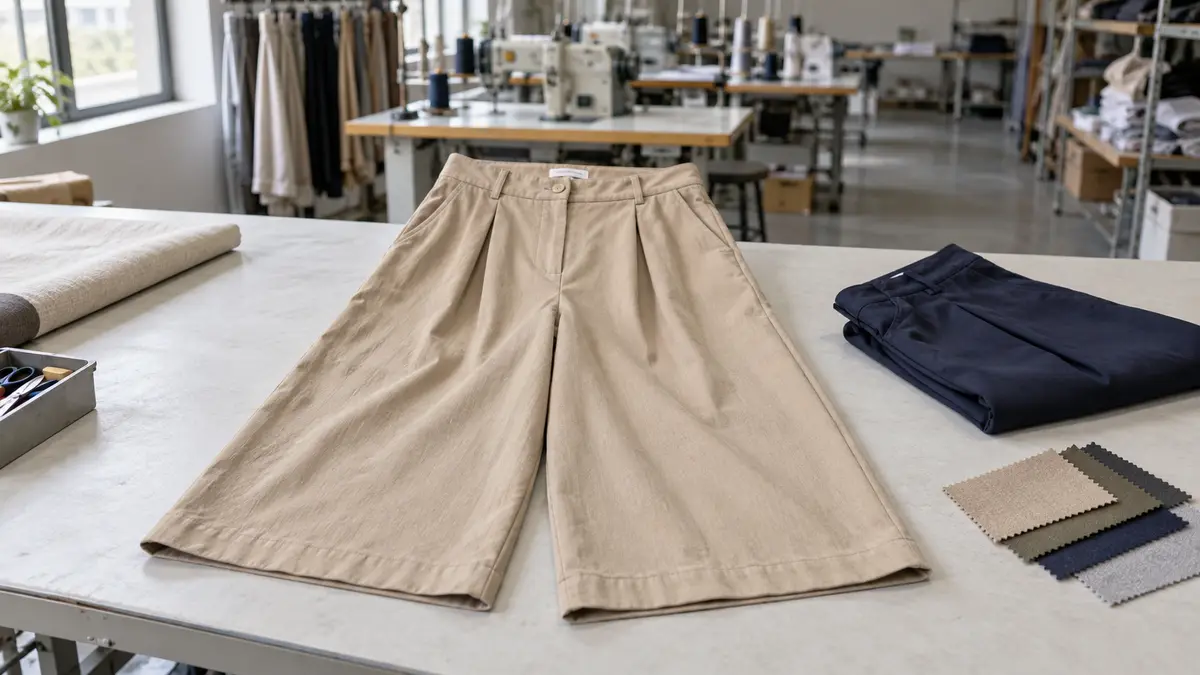
A flat 12% on the selected culotte lines
Read from the UK Trade Tariff on 29 September 2026, heading 6204 covers women's or girls' garments including skirts and divided skirts. The selected divided-skirt lines carry 12% duty for goods from China, with no listed anti-dumping or countervailing duty and no suspensions. The table includes specialised hand-printed batik lines; it is not a complete list of culotte materials.
The tariff attaches cat and dog fur and seal-product import controls, with CITES import control on the selected wool or fine animal hair line. Imports containing cat or dog fur are banned. Seal products face an import ban with limited exceptions; confirm any claimed exception with your customs broker. CITES-listed materials require permits. For Chinese goods containing unusual animal materials, confirm the species and paperwork before ordering.
Give your broker a sample, construction photographs and fibre composition to confirm the commodity code, especially where a wide-leg trouser is sold as a culotte. See the wider women's woven skirts guide. For tailored trousers, see our women's woven tailored trousers sourcing guide. For matching suit sets, see women's woven trouser suits. For denim styles, see women's woven denim jeans sourcing.
| Goods | Commodity code | Duty | Anti-dumping or countervailing duty on China |
|---|---|---|---|
| Women's cotton woven culottes, other | 6204 52 00 90 | 12% | None |
| Women's wool or fine animal hair woven culottes, other | 6204 51 00 90 | 12% | None |
| Women's synthetic fibre woven culottes, hand-printed batik | 6204 53 00 10 | 12% | None |
| Women's artificial fibre woven culottes, hand-printed batik | 6204 59 10 10 | 12% | None |
Specify the culotte silhouette and fabric
Agree the waist position, waistband construction, hip ease, rise, crotch shape, inseam, leg opening and finished length. Show how the garment should hang when standing and move when walking. Specify pleats, pocket depth, fastening position and lining, with a measurement chart and tolerances for each size.
Choose fabric by fibre composition, weight, opacity and drape. Approve a washed sample as well as an unwashed sample so the factory can compare pleat retention, leg balance and shrinkage. Fibre content must be shown on the label. Agree care instructions and label artwork before production.
Businesses importing or selling consumer products are responsible for their safety. Include checks for sharp fastening edges, loose trims and broken needles in the production brief.
Worked duty example
Illustrative example, not a quote: 500 women's cotton woven culottes, illustrative order under 6204 52 00 90, invoiced at £5,000 free on board, with £800 of freight and insurance to the UK. The customs value is £5,800. Duty at 12% is £696. Import VAT at 20% is charged on the customs value plus duty, £6,496, so it is £1,299.20. Import taxes total £1,995.20; a VAT-registered importer can usually reclaim the VAT, so the lasting cost is the £696 of duty. The import duty and VAT guide explains each step.
Inspection checklist
Fit: measure waist, hips, rise, inseam and leg opening across the ordered sizes; check crotch comfort when sitting and that the legs hang evenly.
Fabric: check opacity in strong light, shade consistency, shrinkage after the agreed wash and colour transfer onto pale lining or clothing.
Construction: check crotch seams, pocket corners, pleat alignment, hem level and fastening security; look for seam slippage in fluid fabrics.
Labels and arrival: compare fibre labels with the approved composition, check size assortments and inspect cartons for damp or staining. Use the quality inspection guide to prepare the inspection brief.
Working out your own order? Send us the product on WhatsApp and we reply the same working day: WhatsApp us
What goes wrong
A sample can look skirt-like on a hanger but pull across the crotch when worn. Uneven cutting or stretched seams can twist the legs, while poorly fixed pleats open after washing. Lightweight cloth may become transparent, and fluid fabrics can slip at the crotch or pocket seams.
Do not approve bulk production from appearance alone. Compare worn and washed samples with the measurement chart, then repeat the checks on production garments. Record defects on arrival before mixing the shipment into existing stock.
Cambridge China Bridge sources these products for UK businesses, checking the factory and the documents before shipment. See factory verification. For own-brand ranges, see sourcing for brands.
Frequently asked questions
What is the UK import duty on women's woven culottes from China?
The selected divided-skirt lines carry 12% duty from China, with no listed trade remedies or suspensions, in the tariff data read on 29 September 2026.
Are culottes classified as skirts or trousers?
The tariff includes divided skirts, but a sales name alone does not settle classification. Ask your broker to review the construction, photographs and fibre composition.
Do women's woven culottes need a fibre label?
Yes. Fibre content must be shown on the label. Match the artwork to the approved fabric composition and check it on production garments.
What should I check on a culotte sample?
Check sitting comfort, waist and hip fit, leg balance, opacity, pocket seams and fastening security. Wash the sample using the agreed care instructions and recheck dimensions and pleats.