Sourcing women's knitted Henley shirts from China
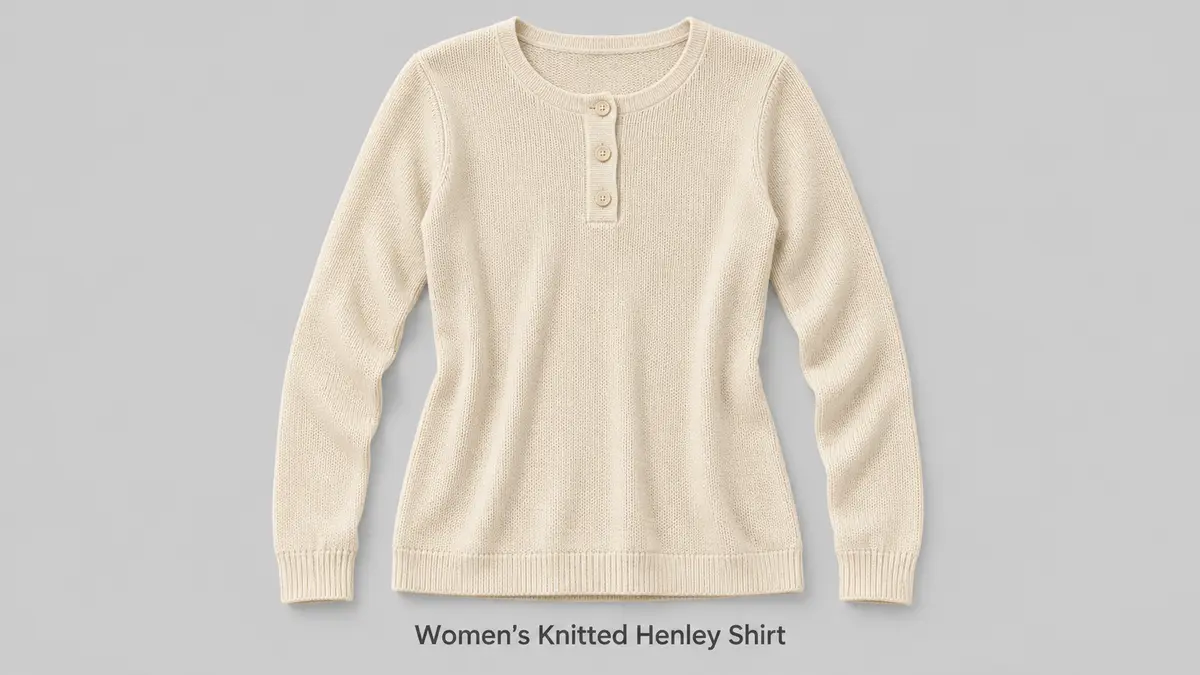
Women's knitted Henley shirts classified under heading 6106 attract a flat 12% UK duty from China across the listed fibres. Fibre labels must match the garment's composition; confirm permitted fibre names with the relevant labelling authority. Confirm classification from the actual shirt construction. Cambridge China Bridge sources women's knitted Henley shirts.
Buying from China for a business? How our UK China sourcing agent service works · China sourcing agent for small orders and first imports
A flat 12% duty under heading 6106
Read from the UK Trade Tariff on 6 October 2026, heading 6106 covers women's or girls' knitted or crocheted blouses, shirts and shirt-blouses. Women's knitted Henley shirts classified here carry 12% duty across all listed materials. The supplied tariff facts show no anti-dumping or countervailing duty and no suspensions.
The tariff attaches CITES import and export controls to 6106 90 10 00 and 6106 90 90 00. Imports of CITES specimens require a permit. For animal-derived materials in a China order, identify the species and ask your customs broker to confirm the applicable paperwork and any import restrictions before ordering.
A Henley name alone does not settle classification. Supply photographs, fibre composition and details of the knitted fabric and neck opening when confirming the commodity code. For the wider heading, see the women's knitted rugby shirts guide.
| Goods | Commodity code | Duty | Anti-dumping or countervailing duty on China |
|---|---|---|---|
| Women's knitted Henley shirts of cotton | 6106 10 00 00 | 12% | None |
| Women's knitted Henley shirts of man-made fibres | 6106 20 00 00 | 12% | None |
| Women's knitted Henley shirts of wool or fine animal hair | 6106 90 10 00 | 12% | None |
| Women's knitted Henley shirts of flax or ramie | 6106 90 50 00 | 12% | None |
Specify the Henley neckline and placket
Define jersey or rib construction, fabric weight, fibre blend, sleeve shape and the finished size chart. Specify neckline depth, neckband width, placket length and overlap, button spacing and reinforcement behind the buttons. Approve fit with the placket both open and fastened, including whether it gapes across the bust.
Fibre composition must be labelled; confirm permitted fibre names with the relevant labelling authority. Match the label artwork to the agreed blend and supporting fabric report. Businesses importing or selling consumer products are responsible for their safety. Agree checks for secure buttons, sharp trim edges and wash performance against the approved garment.
Worked duty example
Illustrative example, not a quote: 2,000 women's cotton knitted Henley shirts, illustrative order under 6106 10 00 00, invoiced at £7,000 free on board, with £700 of freight and insurance to the UK. The customs value is £7,700. Duty at 12% is £924. Import VAT at 20% is charged on the customs value plus duty, £8,624, so it is £1,724.80. Import taxes total £2,648.80; a VAT-registered importer can usually reclaim the VAT, so the lasting cost is the £924 of duty. The import duty and VAT guide explains each step.
Inspection checklist
Placket: check alignment, overlap and reinforcement, open and close each sampled garment, and pull-test button attachments at the agreed load.
Fit: measure chest, body length, sleeves and neckline against the size chart; check bust coverage and placket gaping against the approved fit sample.
Wash stability: wash finished samples and check shrinkage, side-seam twist, neckband recovery and placket flatness against the agreed limits.
Fabric and labels: compare shade across cartons, check opacity and colour transfer, and match fibre labels to the approved artwork and report. Record findings through the inspection process.
Working out your own order? Send us the product on WhatsApp and we reply the same working day: WhatsApp us
What goes wrong
An unstable jersey can shrink and twist, dragging the short placket off centre. A placket facing that behaves differently from the body fabric can ripple after washing. Buttons attached without suitable reinforcement can pull through the knit, while a low neckline or narrow overlap can expose more than the approved fit sample.
Approve the reinforcement and placket construction on a washed garment before bulk production. Compare production samples with that garment, including fastened fit and shade. Inspect incoming cartons before releasing stock, and separate garments with loose buttons, distorted openings or incorrect labels for investigation.
Cambridge China Bridge sources these products for UK businesses, checking the factory and the documents before shipment. See factory verification. For own-brand ranges, see sourcing for brands.
Frequently asked questions
What is the UK import duty on women's knitted Henley shirts from China?
For shirts classified under heading 6106, the supplied tariff facts show a flat 12% duty across all listed fibres, with no anti-dumping or countervailing duty and no suspensions.
Does a buttoned neckline automatically make a Henley shirt heading 6106?
Confirm the actual garment construction and fibre composition with your customs broker. Use photographs and a sample rather than relying on the supplier's Henley description.
Why does a Henley placket ripple after washing?
The facing, reinforcement and body fabric may shrink differently. Wash the approved finished sample and check the placket again before accepting production.
What fibre label does a women's Henley shirt need?
Show the fibre composition and confirm permitted fibre names with the relevant labelling authority. Check the label against the agreed blend and fabric report, especially for viscose, modal and elastane blends.