Sourcing wheat and meslin from China
UK duties on wheat and meslin from China include 0%, 12% and £79.00 per 1000kg, depending on the commodity line. Food grain must meet the same or equivalent hygiene standards as food produced in Great Britain; organic imports need separate checks. Cambridge China Bridge sources wheat and meslin.
Buying from China for a business? How our UK China sourcing agent service works · China sourcing agent for small orders and first imports
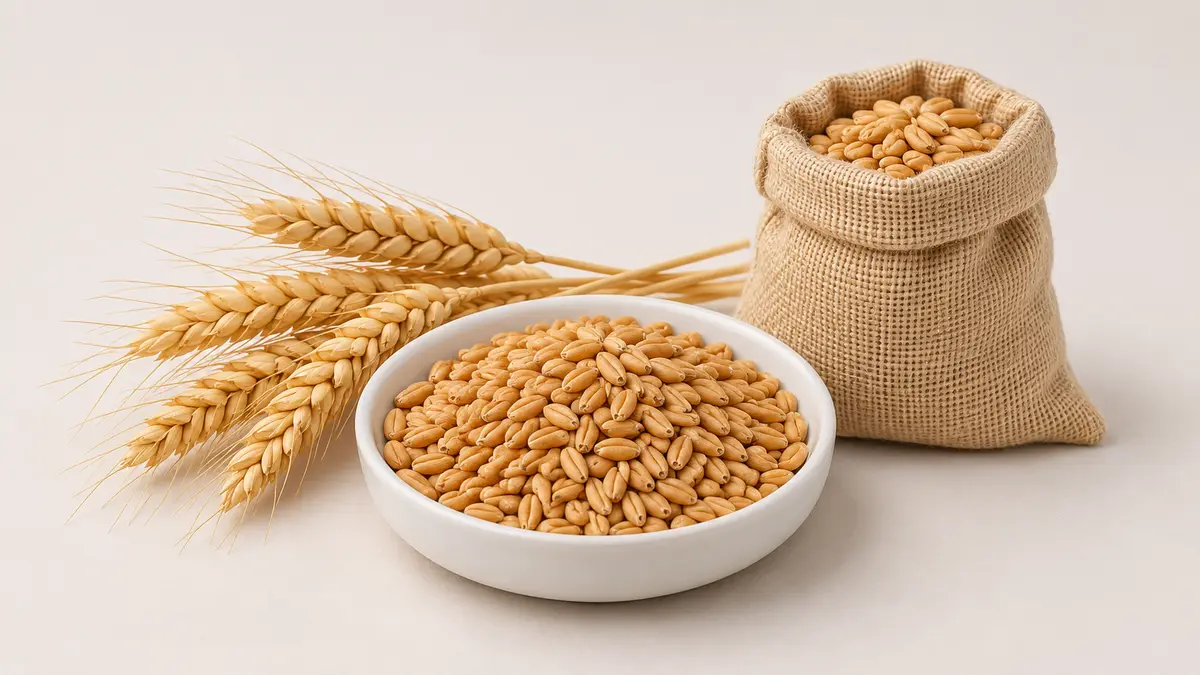
Wheat and meslin duty and import controls
Read from the UK Trade Tariff on 18 November 2026, heading 1001 covers wheat and meslin, with separate lines for durum wheat, common wheat, spelt, seed and other grain. Meslin is a mixture of wheat and rye. Identify the grain and intended use before comparing suppliers.
The supplied China tariff lines show 0% for durum wheat and high quality common wheat, 12% for spelt seed, and £79.00 per 1000kg for several other lines. No anti-dumping or countervailing duties or suspensions are recorded. Every line carries an organic-products import control. Organic food from China entering Great Britain needs a Great Britain certificate of inspection for each consignment. Ask your broker and organic control body to confirm the remaining arrangements.
Do not treat a supplier's description of grain as proof of its tariff quality category. Match laboratory results and intended use to the full commodity description using finding your commodity code. The detailed food-import guidance here concerns Great Britain. Ask your broker to check the destination requirements separately for Northern Ireland, and to confirm admissibility before buying planting seed.
| Goods | Commodity code | Duty | Anti-dumping or countervailing duty on China |
|---|---|---|---|
| Other high quality durum wheat | 1001 19 00 18 | 0% | None |
| Medium quality durum wheat | 1001 19 00 20 | 0% | None |
| Low quality durum wheat | 1001 19 00 30 | 0% | None |
| Other high quality common wheat | 1001 99 00 15 | 0% | None |
Specify the grain and milling performance
State whether you need durum wheat for semolina, common wheat for milling, spelt or meslin. Agree moisture, protein, specific weight, falling number, broken grains, sprouted grains, foreign matter and pest damage. For meslin, specify the wheat and rye proportions. Ask for a representative sample and a milling or cooking trial against your intended use.
Imported food cereals must meet the same or equivalent hygiene standards and procedures as food produced in Great Britain. Agree a batch-specific laboratory testing plan covering pesticide residues and mycotoxins with your food-safety adviser. Specify clean, dry packaging, batch identification and storage conditions. Food businesses must keep traceability records and provide allergen information.
Worked duty example
Illustrative example, not a quote: Illustrative palletised trial order of medium quality durum wheat under 1001 19 00 20, invoiced at £1,000 free on board, with £1,000 of freight and insurance to the UK. The customs value is £2,000. Duty at 0% is £0. Import VAT at 20% is charged on the customs value plus duty, £2,000, so it is £400. With no duty, the only import tax is the VAT, which a VAT-registered importer can usually reclaim. The import duty and VAT guide explains each step. This assumes the goods are standard-rated for VAT. Most food for human consumption is zero-rated, and animal feed can be too, in which case no import VAT is due, so check the rate for your product in HMRC's VAT Notice 701/14.
Inspection checklist
Identity: check the grain type, declared grade and batch identifiers against the purchase specification and laboratory report.
Condition: sample across the shipment for dampness, musty odours, insects, sprouting, broken grains and foreign matter.
Performance: compare moisture, protein, specific weight and falling number with agreed acceptance criteria; retain sealed reference samples.
Packaging and documents: check for torn or wet bags, confirm the received weight, and reconcile batch records and any organic certificate with the shipment.
Working out your own order? Send us the product on WhatsApp and we reply the same working day: WhatsApp us
What goes wrong
A clean-looking sample can hide uneven moisture, pest damage or mixed grades in the shipped lot. Protein alone does not establish milling performance. Agree sampling, laboratory methods and rejection terms before ordering, then hold suspect batches apart while investigating.
Organic status needs more than a supplier's sales claim. Confirm the certificate arrangements before dispatch. A mismatch between the declared tariff grade and the shipment's test results can also undermine the duty assumption. Keep the specification, sample results and shipment records together.
Cambridge China Bridge sources these products for UK businesses, checking the factory and the documents before shipment. See factory verification. For repeat volumes, see container programmes.
Frequently asked questions
What is the UK import duty on wheat from China?
The supplied lines include 0%, 12% for spelt seed, and £79.00 per 1000kg for several other categories. Durum wheat is 0%. Confirm the exact grain, use and tariff quality category.
Can I import organic wheat from China?
For organic food entering Great Britain, each consignment needs a Great Britain certificate of inspection. Confirm the supplier and shipment arrangements with your organic control body before dispatch.
What should I test before buying milling wheat?
Agree moisture, protein, specific weight, falling number and grain defects. Use representative batch samples, a milling trial and a laboratory plan for pesticide residues and mycotoxins.
Can I use the same checks for planting seed?
Do not use a food-grain specification for planting seed. Ask your broker to confirm admissibility and the applicable seed and plant-health requirements before ordering.