Sourcing spelt grain from China
China-origin spelt carries £79.00 per 1000 kg for grain other than sowing seed, or 12% for sowing seed, rather than a single percentage range. Confirm the applicable food hygiene standards with the relevant food authority and any organic consignment certificate requirements with an approved organic control body. Cambridge China Bridge sources spelt grain.
Buying from China for a business? How our UK China sourcing agent service works · China sourcing agent for small orders and first imports
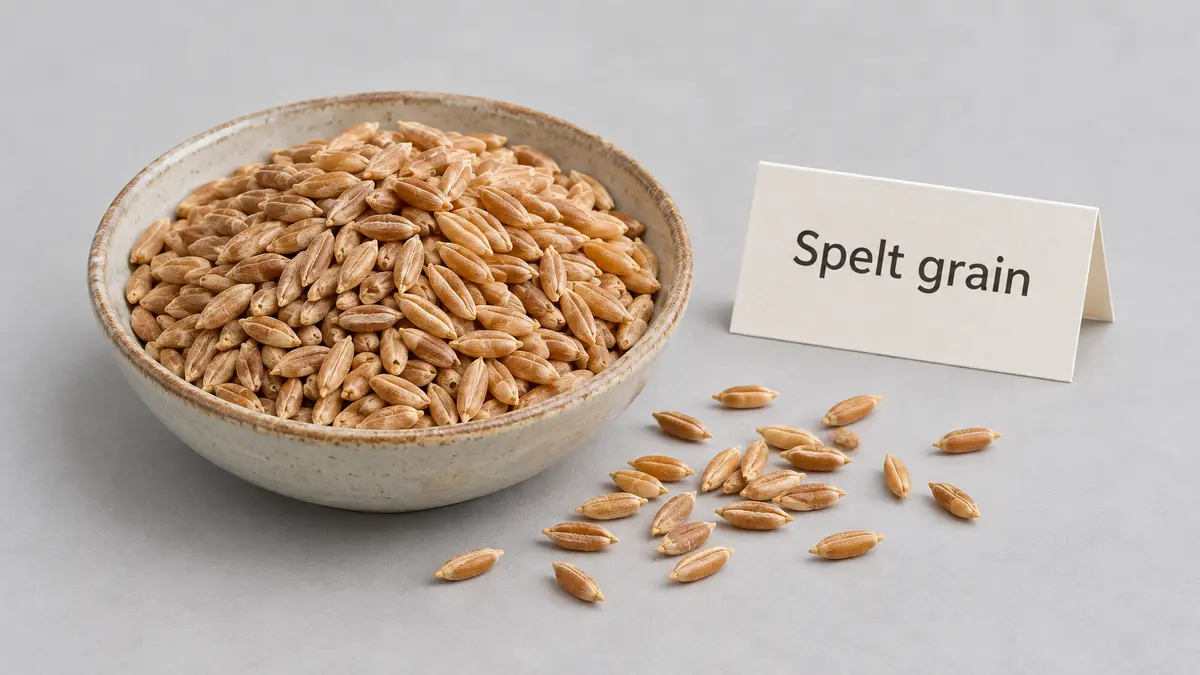
Spelt duty and organic import controls
Heading 1001 covers wheat and meslin. Its spelt lines distinguish sowing seed from other spelt grain. The table repeats these codes to distinguish conventional and organic purchases; these are purchasing descriptions, not separate tariff lines. For the wider heading, see wheat and meslin sourcing.
Read from the UK Trade Tariff on 29 September 2026, China-origin spelt other than sowing seed carries £79.00 per 1000 kg under 1001 99 00 60; spelt sowing seed carries 12% under 1001 91 10 00. The supplied record lists no anti-dumping or countervailing duty and no suspensions. Both lines carry organic import control.
For organic feed or sowing seed, the tariff attaches organic import control; confirm its requirements with your customs broker. Before ordering sowing seed, ask APHA about import eligibility. Confirm the actual species, use and processing condition through finding your commodity code.
| Goods | Commodity code | Duty | Anti-dumping or countervailing duty on China |
|---|---|---|---|
| Spelt grain other than sowing seed | 1001 99 00 60 | £79.00 per 1000 kg | None |
| Spelt sowing seed | 1001 91 10 00 | 12% | None |
Specify spelt identity and milling condition
Write spelt into the order rather than accepting a generic wheat description. State whether the purchase is for food, feed or sowing, and describe the delivered condition, including any retained hulls. For milling, agree a trial with the intended mill and record the acceptable cleaning results, flour yield and baking performance.
Agree moisture, broken kernels, residual hulls, stones, other grain, odour and insect acceptance criteria with the supplier. Request representative samples and laboratory results tied to the shipment lot. Confirm with the relevant food authority which food hygiene standards and procedures apply to cereals imported as food into Great Britain.
Spelt is wheat. For food products with an ingredients list, ingredients derived from cereals containing gluten must be emphasised within that list. Check the wheat identification and allergen presentation before approving packaging.
Worked duty example
Illustrative example, not a quote: Illustrative trial consignment of bagged spelt sowing seed, subject to confirmation of seed import eligibility before ordering under 1001 91 10 00, invoiced at £1,000 free on board, with £1,000 of freight and insurance to the UK. The customs value is £2,000. Duty at 12% is £240. Import VAT at 20% is charged on the customs value plus duty, £2,240, so it is £448. Import taxes total £688; a VAT-registered importer can usually reclaim the VAT, so the lasting cost is the £240 of duty. The import duty and VAT guide explains each step. This assumes the goods are standard-rated for VAT. Most food for human consumption is zero-rated, and animal feed can be too, in which case no import VAT is due, so check the rate for your product in HMRC's VAT Notice 701/14.
Inspection checklist
Identity: compare the spelt description, intended use, grain appearance and hull condition with the order and retained sample.
Grain condition: sample across bags for moisture, musty odours, insects, stones, other cereals, residual hulls and broken kernels.
Packing: check net weight, bag seams, seals, water staining and readable lot markings.
Documents: match lot markings to laboratory reports and shipment records. For organic food, match the certificate of inspection to the consignment.
Working out your own order? Send us the product on WhatsApp and we reply the same working day: WhatsApp us
What goes wrong
A supplier’s wheat sample may not represent the spelt lot eventually loaded. Mixed grain, residual hulls and uneven moisture can change milling performance. Agree sampling across the consignment and retain comparison samples. Visual checks cannot establish pesticide residues or mycotoxin results; arrange testing and certification for the intended use.
An organic description without consignment paperwork can disrupt an organic purchase. Resolve certificate and register checks before dispatch. Keep sowing seed separate from food grain specifications, and ask APHA to confirm the seed import position before treating the seed tariff line as a buying option.
Cambridge China Bridge sources these products for UK businesses, checking the factory and the documents before shipment. See factory verification. For repeat volumes, see container programmes.
Frequently asked questions
What is the UK import duty on spelt grain from China?
The supplied record shows £79.00 per 1000 kg for spelt other than sowing seed and 12% for spelt sowing seed. It lists no anti-dumping or countervailing duty and no suspensions.
What documents do I need for organic spelt?
For organic food from China entering Great Britain, ask an approved organic control body to confirm whether each consignment needs a certificate of inspection and which checks apply to the exporter’s control body and export country against the non-UK organic registers.
What should I specify for spelt bought for milling?
Specify spelt identity, hull condition, moisture, broken kernels, foreign matter and packing. Agree a milling trial, sampling method and shipment-specific laboratory results before ordering.
Does spelt need wheat allergen information?
Spelt is wheat. Check wheat identification when approving the label.