Sourcing welded steel boiler tubes from China
Welded steel boiler-tube lines show 50% UK duty in the supplied tariff snapshot; the published guide records 0% within quota. Some non-alloy tubes also face 90.6% anti-dumping duty. Confirm the exact code and pressure-service specification before ordering. Cambridge China Bridge sources welded steel boiler tubes.
Buying from China for a business? How our UK China sourcing agent service works · China sourcing agent for small orders and first imports
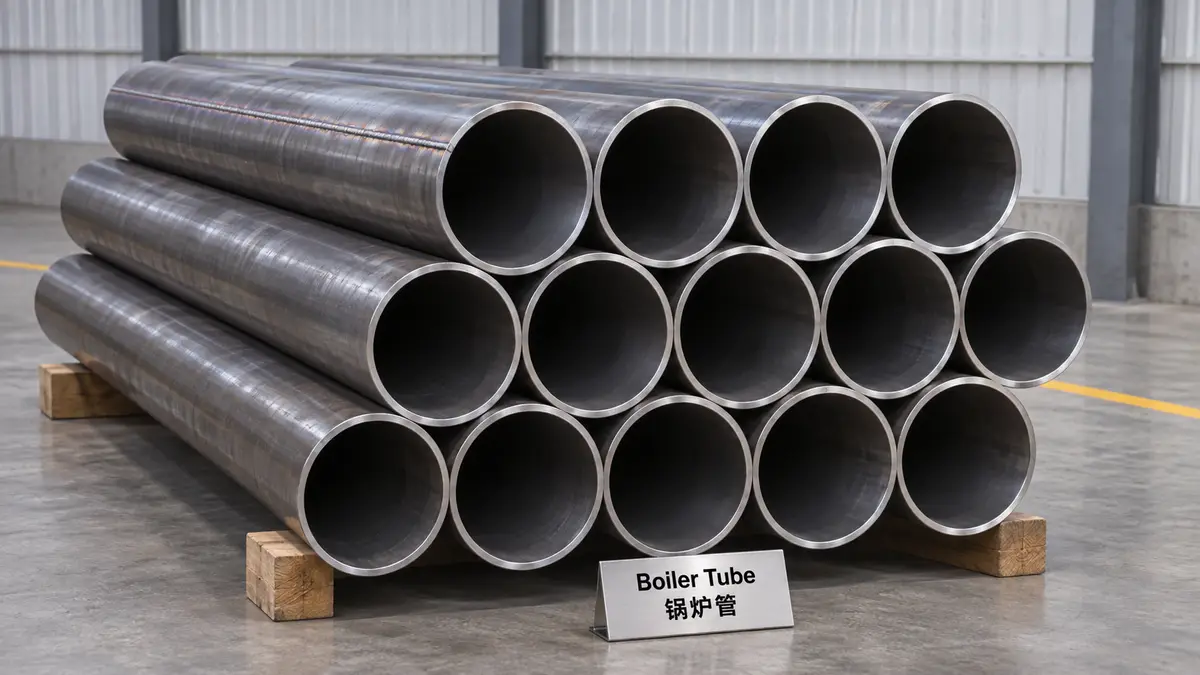
Duty and classification for welded boiler tubes
Read from the UK Trade Tariff on 1 October 2026, the selected welded boiler-tube lines under heading 7306 show 50% third-country duty for goods from China. Heading 7306 covers welded and other closed steel tubes and hollow profiles. The table gives possible classifications by material and processing, rather than confirming suitability for a boiler. For the seamless alternative, see seamless boiler tubes.
The published welded-tube guide records 0% within the applicable quarterly residual steel quota and 50% outside it. The supplied snapshot flags anti-dumping on 7306 30 77 80 without giving a rate; the published guide records 90.6% for covered non-alloy circular tubes, with exclusions including precision tubes. Confirm quota access and remedy scope with your broker. The selected lines list no suspensions or attached import controls.
Give your broker the steel composition, outside diameter, wall thickness, welded construction and any cold drawing or rolling. A boiler application alone does not establish the code or a precision-tube exclusion. Use finding your commodity code, and confirm the classification against the actual manufacturing records before shipment.
| Goods | Commodity code | Duty | Anti-dumping or countervailing duty on China |
|---|---|---|---|
| Cold-drawn or cold-rolled welded non-alloy steel precision tubes | 7306 30 12 00 | 50% | None |
| Other welded non-alloy steel precision tubes | 7306 30 18 00 | 50% | None |
| Non-zinc-coated welded non-alloy steel circular tubes up to 168.3 mm | 7306 30 77 80 | 50% | See the tariff |
| Cold-drawn or cold-rolled welded stainless steel circular tubes | 7306 40 20 00 | 50% | None |
| Other welded stainless steel circular tubes | 7306 40 80 00 | 50% | None |
| Other welded circular tubes of other alloy steel | 7306 50 80 00 | 50% | None |
Specify the tube for the boiler design
Ask the boiler designer to approve the steel grade, pressure-tube standard, delivery condition and intended operating temperature and pressure. Specify outside diameter, wall thickness, length, straightness, end preparation, internal weld-flash removal and corrosion protection. Agree the inspection certificate, heat-number traceability, seam examination and pressure-test records before placing the order.
HSE states that pressure-equipment rules cover equipment and assemblies with maximum allowable pressure above 0.5 bar. Government guidance says products imported into Great Britain for further manufacture or processing are not considered placed on the market. Establish whether your supply is material for manufacture or finished pressure equipment, then agree the applicable assessment with the designer. Use testing and certification to organise the evidence.
Worked duty example
Illustrative example, not a quote: Illustrative order: 50 tonnes of cold-drawn welded non-alloy steel precision boiler tubes under 7306 30 12 00, invoiced at £32,000 free on board, with £4,000 of freight and insurance to the UK. The customs value is £36,000. Duty at 50% is £18,000. Import VAT at 20% is charged on the customs value plus duty, £54,000, so it is £10,800. Import taxes total £28,800; a VAT-registered importer can usually reclaim the VAT, so the lasting cost is the £18,000 of duty. The import duty and VAT guide explains each step.
Inspection checklist
Material records: match tube and bundle heat numbers to mill certificates, chemistry, mechanical results and the ordered delivery condition.
Dimensions: check outside diameter, wall thickness, ovality, straightness, cut length and end preparation against the approved specification.
Weld seam: examine visible seam defects and internal flash; match seam-test and pressure-test records to the supplied batches.
Arrival condition: inspect dents, bent ends, corrosion and wet packing before releasing tubes for fabrication. Keep bundle identities intact and record discrepancies using the quality inspection guide.
Working out your own order? Send us the product on WhatsApp and we reply the same working day: WhatsApp us
What goes wrong
A supplier substitutes general-purpose welded tube for the specified pressure tube, sends certificates that cannot be matched to the bundles, or leaves internal weld flash where removal was agreed. Seam defects can become apparent during flattening or bending. Wall variation, damaged ends and handling bends can prevent the tubes fitting the boiler drawings.
Another failure is assuming every boiler tube qualifies as a precision tube or escapes anti-dumping duty. Resolve classification and quota exposure before dispatch. Hold mismatched material separately and ask the designer to assess any proposed substitution before fabrication.
Cambridge China Bridge sources these products for UK businesses, checking the factory and the documents before shipment. See factory verification. For repeat volumes, see container programmes.
Frequently asked questions
What is the UK import duty on welded boiler tubes from China?
The selected lines show 50% in the supplied snapshot. The published guide records 0% within the applicable steel quota; covered non-alloy tubes may also attract 90.6% anti-dumping duty.
Does boiler use exempt welded tubes from anti-dumping duty?
Do not assume it does. The published guide records exclusions including precision tubes. Confirm that the actual product meets the exclusion and keep supporting manufacturing records.
What documents should I request from the tube mill?
Request heat-linked mill certificates, chemistry and mechanical results, delivery-condition records, dimensional inspection and the agreed seam-test and pressure-test records.
Are tubes imported for further manufacture placed on the market?
Confirm how this applies to your supply.