Sourcing polyester flag fabric from China
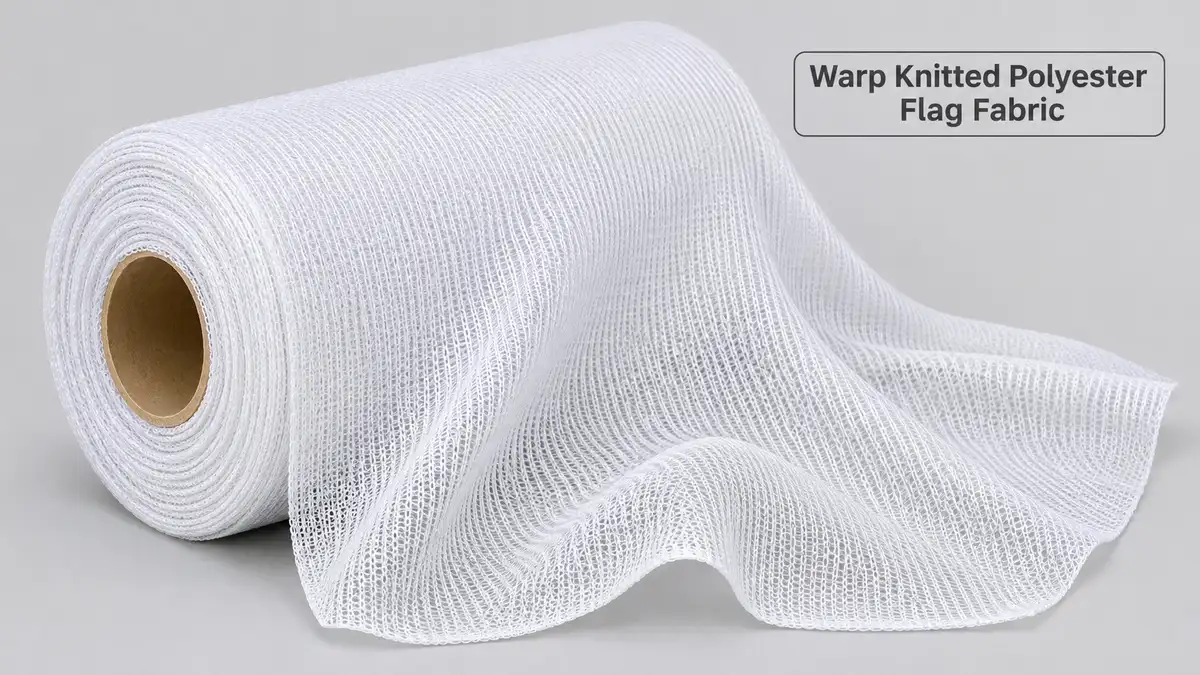
Warp-knitted polyester flag fabric from China normally pays 8% UK duty; a narrowly specified suspension gives a conditional 0% to 8% range. Fabric sold by the metre to consumers needs fibre-composition labelling. Check usable width, print penetration and edge strength. Cambridge China Bridge sources warp-knitted polyester flag fabric.
Buying from China for a business? How our UK China sourcing agent service works · China sourcing agent for small orders and first imports
Normally 8% duty on polyester flag fabric
Read from the UK Trade Tariff on 30 September 2026, heading 6005 covers warp-knitted fabrics other than those of headings 6001 to 6004. This guide covers polyester flag fabric supplied in rolls. The relevant synthetic-fibre lines distinguish unbleached or bleached, dyed, differently coloured yarns and printed fabric. Their standard duty for goods from China is 8%, with no listed anti-dumping or countervailing duty.
Code 6005 36 00 00 has a 0% suspension for a precisely specified weft-inserted polyester product. It is not a general exemption for white flag fabric. Ask your customs broker to check the footnote's construction, width, length and component exclusions before claiming it. The selected polyester lines have no attached import controls in the supplied tariff record.
Confirm the commodity code from a sample, fibre composition, knitting construction, width and finishing state. Do not select a code solely because the supplier calls it flag fabric. For wider heading coverage, see the warp-knitted sports mesh guide.
| Goods | Commodity code | Duty | Anti-dumping or countervailing duty on China |
|---|---|---|---|
| Polyester warp-knitted flag fabric, unbleached or bleached | 6005 36 00 00 | 8% | None |
| Polyester warp-knitted flag fabric, dyed | 6005 37 00 00 | 8% | None |
| Polyester warp-knitted flag fabric, of differently coloured yarns | 6005 38 00 00 | 8% | None |
| Polyester warp-knitted flag fabric, printed | 6005 39 00 00 | 8% | None |
Specify flag fabric for your printing process
State polyester composition, warp-knit construction, yarn specification, mass per square metre, usable width after finishing and roll length. Tell the mill whether you will print the fabric or buy it already printed. Approve a sample using your intended ink, printing process and heat treatment; compare colour, reverse-side visibility, shrinkage and handle after printing.
For outdoor flags, agree checks for light exposure, wet colour transfer, tearing and sewn-edge strength. For indoor displays, ask the customer or venue which fire-performance evidence they want before choosing a finish. Keep the approved fabric and printed sample as the reference for bulk production.
When fabric is sold by the metre to consumers, fibre composition must be labelled. Confirm the appropriate fibre names with Trading Standards. REACH restrictions can limit, ban or set conditions on substances. Ask the mill to identify dyes and finishes, and agree applicable chemical checks with a testing provider.
Worked duty example
Illustrative example, not a quote: Illustrative order: 8,000 metres of dyed polyester warp-knitted flag fabric in rolls under 6005 37 00 00, invoiced at £12,000 free on board, with £1,200 of freight and insurance to the UK. The customs value is £13,200. Duty at 8% is £1,056. Import VAT at 20% is charged on the customs value plus duty, £14,256, so it is £2,851.20. Import taxes total £3,907.20; a VAT-registered importer can usually reclaim the VAT, so the lasting cost is the £1,056 of duty. The import duty and VAT guide explains each step.
Inspection checklist
Width and mass: measure usable width and mass per square metre across sampled rolls after finishing, then compare with the approved specification.
Print response: print bulk-lot samples using the approved process; check shade, sharpness, reverse-side visibility and distortion after heat treatment.
Fabric and edges: inspect for needle lines, holes, snags and uneven mesh; sew trial hems and check tearing beside the stitching.
Roll condition: check declared length, joins, lot identification, dampness and packing damage. Record findings against the inspection brief.
Working out your own order? Send us the product on WhatsApp and we reply the same working day: WhatsApp us
What goes wrong
A fabric sample can print well while bulk rolls differ in finishing or absorbency. Colours then shift, the reverse looks pale, or heat treatment narrows the fabric and distorts the artwork. Low mass, needle faults and weak edges can leave a printed flag that tears during handling or use.
Approve samples after the intended printing and sewing processes. Keep dye lots identifiable, agree how joins and defects are recorded, and inspect before shipment. Treat descriptions such as outdoor or fade-resistant as claims to check against agreed tests and intended conditions.
Cambridge China Bridge sources these products for UK businesses, checking the factory and the documents before shipment. See factory verification. For own-brand ranges, see sourcing for brands.
Frequently asked questions
What is the UK import duty on polyester flag fabric from China?
The relevant heading 6005 polyester lines normally carry 8% duty. A narrowly defined product under 6005 36 00 00 has a 0% suspension. No anti-dumping or countervailing duty is listed for these lines.
Which code covers printed polyester flag fabric?
6005 39 00 00 covers other printed synthetic-fibre warp-knitted fabric within this heading. Confirm construction and composition before using it; this guide concerns fabric rolls.
How do I check flag fabric before printing the whole order?
Print samples from bulk rolls with your intended process. Compare shade, reverse-side visibility, usable width and shrinkage with the approved sample, then sew and check trial hems.
Does flag fabric sold by the metre need a fibre label?
Yes, when sold to consumers, fibre composition must be given. Confirm the appropriate fibre names with Trading Standards. Check the mill's composition information against the fabric you receive.