Sourcing phenolic insulation from China
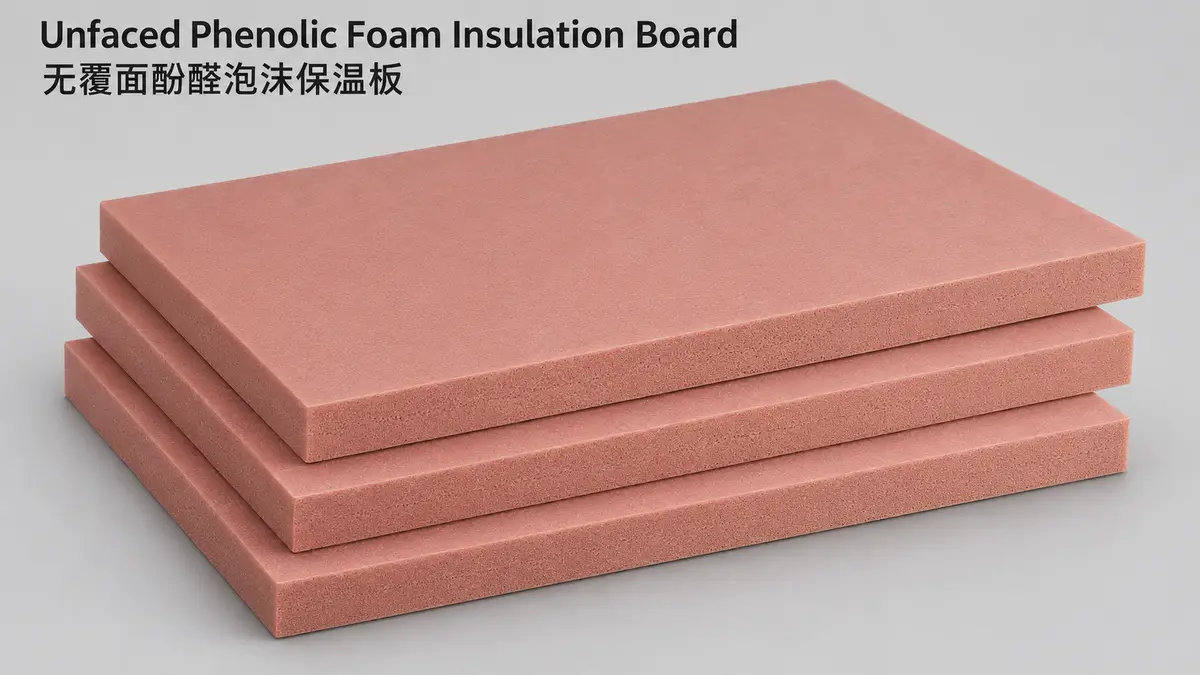
Unfaced phenolic foam insulation boards from China normally carry 6% UK duty, with no anti-dumping duty recorded. For building insulation, a declaration of performance and UKCA or CE marking are needed where a designated standard applies. Match fire evidence to the unfaced board. Cambridge China Bridge sources unfaced phenolic foam insulation boards.
Buying from China for a business? How our UK China sourcing agent service works · China sourcing agent for small orders and first imports
UK duty on unfaced phenolic foam boards
Read from the UK Trade Tariff on 1 October 2026, heading 3921 covers other plastic plates, sheets, film, foil and strip. For unfaced cellular phenolic boards, 3921 19 00 99 is the candidate line for other cellular plastics. The table shows product variants under that same line. Confirm the commodity code using the composition, cellular structure and supplied form.
The recorded duty for goods from China is 6%, with no anti-dumping or countervailing measure recorded. The line also lists zero-duty suspensions for specified silicone foam, microporous films and filter strip, rather than ordinary phenolic insulation boards. Do not cost these boards at the suspended rate.
The UK Trade Tariff attaches a restriction on entry into free circulation concerning ozone-depleting substances. Confirm the requirement for the Chinese boards with your customs broker, supported by the factory's blowing-agent information. For the wider heading, see polyurethane foam sheets.
| Goods | Commodity code | Duty | Anti-dumping or countervailing duty on China |
|---|---|---|---|
| Unfaced phenolic foam insulation boards, square edges | 3921 19 00 99 | 6% | None |
Specify the unfaced board and its intended use
Specify phenolic foam with no foil, tissue or other facing. Agree length, width, thickness tolerances, density, edge profile, flatness and acceptable surface friability. Request thermal conductivity evidence stating the test conditions and ageing basis, plus compression and moisture-performance evidence for the grade offered.
For building insulation, confirm with the relevant construction products authority whether a designated standard applies and what declaration of performance and UKCA or CE marking requirements apply. Check the intended application and fire classification before ordering. Ask for reports matching the unfaced product, its thickness and density, rather than a report for a faced board.
Ask the factory to identify the blowing agent. Products containing banned fluorinated gases must not be placed on the market in Great Britain. Obtain a written composition statement and have any uncertainty assessed before shipment.
Worked duty example
Illustrative example, not a quote: Illustrative order: a container of unfaced phenolic foam insulation boards under 3921 19 00 99, invoiced at £12,000 free on board, with £3,200 of freight and insurance to the UK. The customs value is £15,200. Duty at 6% is £912. Import VAT at 20% is charged on the customs value plus duty, £16,112, so it is £3,222.40. Import taxes total £4,134.40; a VAT-registered importer can usually reclaim the VAT, so the lasting cost is the £912 of duty. The import duty and VAT guide explains each step.
Inspection checklist
Dimensions: measure thickness across each sampled board, check squareness and trial-fit the specified edge profile.
Foam condition: check exposed surfaces and cut edges for crumbling, cracks, voids, crushed corners and uneven texture.
Evidence: match batch identity, grade, density and unfaced construction to the performance declaration and supporting thermal and fire reports.
Packing: check flat support, moisture protection and edge guards; repeat damage checks on arrival. Agree the sampling and rejection criteria in the inspection brief.
Working out your own order? Send us the product on WhatsApp and we reply the same working day: WhatsApp us
What goes wrong
A supplier may quote phenolic insulation but submit evidence for a foil-faced product. Do not assume those results describe the unfaced board. Another failure is accepting density as proof of thermal performance without checking the supporting report and the actual grade supplied.
Exposed foam edges can arrive crushed or shedding particles, while warped boards and inconsistent thickness leave gaps during fitting. Approve a packed sample, record acceptable edge damage and compare arrival photographs with the pre-shipment inspection.
Cambridge China Bridge sources these products for UK businesses, checking the factory and the documents before shipment. See factory verification. For repeat volumes, see container programmes.
Frequently asked questions
What is the UK import duty on unfaced phenolic foam boards from China?
The supplied tariff record gives 6% for 3921 19 00 99, with no anti-dumping or countervailing measure recorded. Its listed suspensions do not describe ordinary phenolic insulation boards.
Do unfaced phenolic insulation boards need CE or UKCA marking?
Check the product's intended use and applicable standard.
Can I use a fire report for foil-faced phenolic insulation?
Ask for evidence matching the unfaced board supplied, including its density and thickness. A report describing a different facing does not establish the performance of your ordered board.
What should I check when phenolic boards arrive?
Check thickness, flatness, edge fit, crumbling, cracks and crushed corners. Match batch labels to the agreed grade and reports, and photograph packing damage before moving the stock.