Sourcing polyurethane foam sheets from China
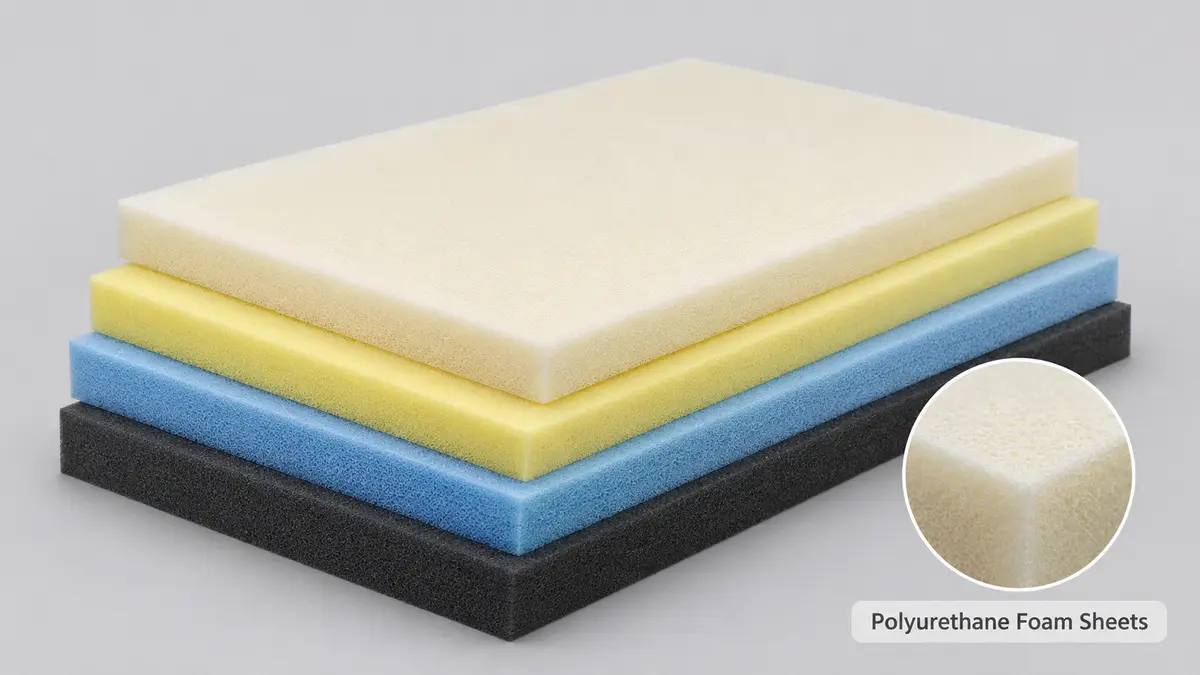
Polyurethane foam sheets from China normally attract 6% UK duty, with conditional suspensions to 0% and no listed trade remedies. Check the blowing agent before ordering: products containing banned fluorinated gases must not be placed on the Great Britain market. Cambridge China Bridge sources polyurethane foam sheets.
Buying from China for a business? How our UK China sourcing agent service works · China sourcing agent for small orders and first imports
Normal duty and conditional suspensions
Read from the UK Trade Tariff on 1 October 2026, heading 3921 includes cellular polyurethane plates, sheets and strip. Flexible material falls under 3921 13 10 00; other cellular polyurethane material falls under 3921 13 90 00. Both carry 6% duty for goods from China, with no anti-dumping or countervailing measure listed. The table separates product forms sharing these codes.
The flexible line lists a 0.00 % suspension limited to a specified open-cell foam roll with surface treatment, polyester film and textile lamination. Its footnote combines different dimensional descriptions, so have your broker check the complete conditions before claiming relief. Both lines also list 0.00 % authorised-use relief for manufacturing offshore wind turbine rotor blades. The tariff attaches a restriction on entry into free circulation concerning ozone-depleting substances; ask your customs broker to confirm the declaration required for your Chinese goods.
Give your broker the polymer composition, flexibility, cell structure, dimensions and details of every facing or adhesive layer to confirm the commodity code. See the wider foam sheet and laminates guide for neighbouring products.
| Goods | Commodity code | Duty | Anti-dumping or countervailing duty on China |
|---|---|---|---|
| Flexible polyurethane foam sheets | 3921 13 10 00 | 6% | None |
| Rigid polyurethane foam sheets | 3921 13 90 00 | 6% | None |
Specify the foam and its intended use
Specify flexible cushioning sheet or rigid insulation board, rather than simply asking for polyurethane foam. Record density, thickness and tolerance, sheet dimensions, open or closed cells, compression behaviour, colour and any facing or adhesive backing. Approve a sample using the actual cutting, bonding or packing process.
Ask the factory to identify the blowing agent and provide formulation evidence for the supplied grade. Products containing banned fluorinated gases must not be placed on the market in Great Britain. Resolve whether the foam falls within the ban before ordering, rather than relying on a general supplier assurance.
For building insulation, confirm with the relevant authority whether a designated standard applies and what declaration of performance and UKCA or CE marking arrangements are required. Match fire evidence to the actual density, thickness and facing supplied. Agree the intended building use before selecting the material.
Worked duty example
Illustrative example, not a quote: Illustrative order: a mixed bale shipment of flexible polyurethane foam sheets under 3921 13 10 00, invoiced at £12,000 free on board, with £3,200 of freight and insurance to the UK. The customs value is £15,200. Duty at 6% is £912. Import VAT at 20% is charged on the customs value plus duty, £16,112, so it is £3,222.40. Import taxes total £4,134.40; a VAT-registered importer can usually reclaim the VAT, so the lasting cost is the £912 of duty. The import duty and VAT guide explains each step.
Inspection checklist
Dimensions: measure thickness across the sheet and compare length, width and cut edges with the approved specification.
Density and response: weigh and measure samples from different bales; compare compression and recovery with the approved sample. Check rigid boards for crushing and friable edges.
Composition and evidence: match the grade, blowing-agent declaration, facings and batch identity to the order. For building insulation, check the performance declaration and fire report against the supplied construction.
Packing and arrival: inspect for dampness, crushed corners, permanent compression and separated facings. Photograph defects before cutting or processing; agree the checks through quality inspection.
Working out your own order? Send us the product on WhatsApp and we reply the same working day: WhatsApp us
What goes wrong
Density and firmness can differ even when samples look alike. Thin spots affect fit, heavily compressed flexible sheets may not recover as expected, and rigid boards can arrive with broken edges or detached facings. Compare production samples with the approved material before shipment and repeat the checks on arrival.
A report for unfaced foam does not establish the same performance for the faced grade you receive. A generic chemical declaration may also omit the blowing agent. Keep the specification, formulation evidence and reports tied to the purchased grade, and resolve gaps before accepting the batch.
Cambridge China Bridge sources these products for UK businesses, checking the factory and the documents before shipment. See factory verification. For repeat volumes, see container programmes.
Frequently asked questions
What is the UK import duty on polyurethane foam sheets from China?
Both flexible and other cellular polyurethane lines carry 6% duty. Conditional suspensions to 0.00 % are listed; confirm eligibility before claiming them. No anti-dumping or countervailing measure is listed.
Are flexible and rigid polyurethane foam sheets classified together?
Flexible cellular polyurethane is listed under 3921 13 10 00; other cellular polyurethane under 3921 13 90 00. Give your broker the full construction, including facings and backing.
Do polyurethane insulation boards need conformity marking?
Check the intended use and supplied grade.
What should I check before buying polyurethane foam sheets?
Agree density, thickness, cell structure and compression behaviour. Identify the blowing agent and match reports to the supplied grade. Products containing banned fluorinated gases cannot be placed on the Great Britain market.