Sourcing uncarded mohair from China
Uncarded mohair from China carries 0% UK duty, with no anti-dumping or countervailing duty recorded. Treatment determines the animal-health import route: qualifying treated hair can enter Great Britain from any country; confirm its accompanying-document requirements with the Animal and Plant Health Agency. Untreated hair faces origin restrictions. Cambridge China Bridge sources uncarded mohair.
Buying from China for a business? How our UK China sourcing agent service works · China sourcing agent for small orders and first imports
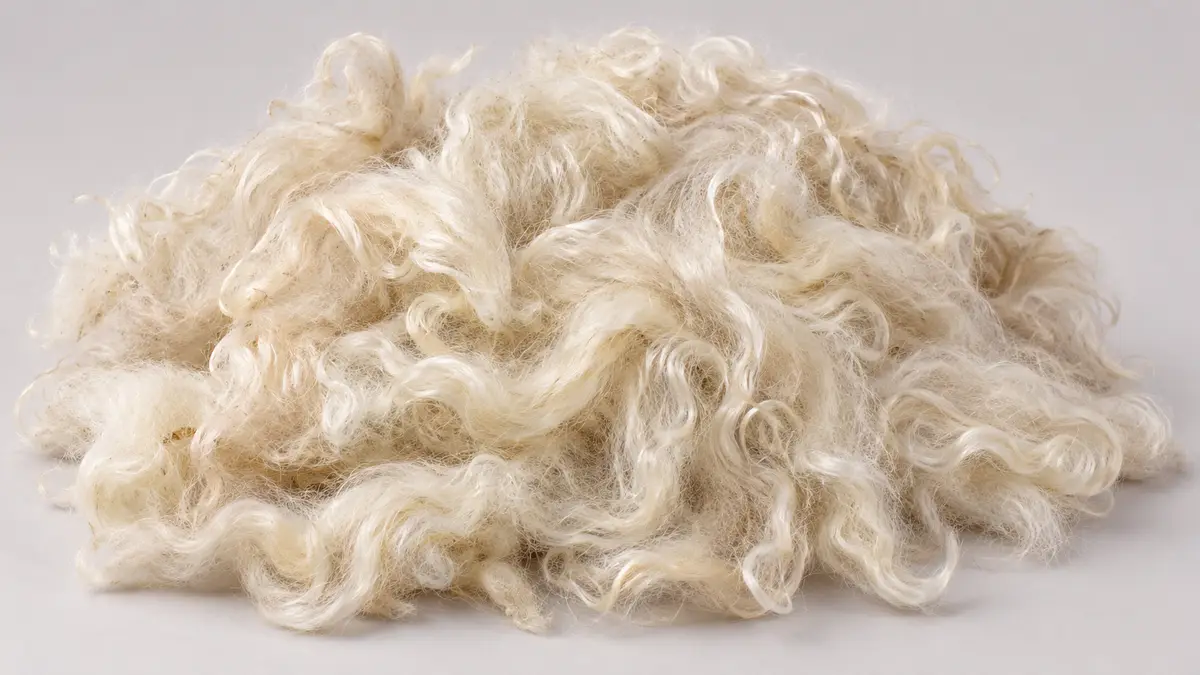
Zero duty on uncarded mohair
Read from the UK Trade Tariff on 4 October 2026, uncarded mohair falls within heading 5102, under 5102 19 40 00 for fine hair of angora and similar goats. The recorded China duty is 0%, with no anti-dumping or countervailing measure and no suspension. The tariff attaches veterinary and CITES import and export controls. The table shows purchasing forms within the same commodity line, rather than separate tariff subdivisions.
Qualifying treated hair may enter Great Britain from any country, including China, without a health certificate or veterinary checks. Confirm with the Animal and Plant Health Agency whether a commercial document must accompany it and what consignor, consignee, origin, quantity, species and treatment information to include. Untreated goat hair is subject to disease-related origin restrictions. Before ordering an untreated lot from China, ask your customs broker and the Animal and Plant Health Agency to confirm its eligibility, documents and destination arrangements.
The shared tariff line also attaches CITES controls. Confirm their application to the declared species with your customs broker; CITES-listed specimens require permits for movement into or out of Great Britain. Washing does not mean carding or combing: carded or combed animal hair belongs in heading 5105. Confirm the commodity code from the species and processing stage. See the wider animal hair guide for related fibres.
| Goods | Commodity code | Duty | Anti-dumping or countervailing duty on China |
|---|---|---|---|
| Factory-washed mohair, not carded or combed | 5102 19 40 00 | 0% | None |
Specify mohair fineness, length and treatment
Describe the fibre as mohair from angora goats, rather than angora rabbit hair. Agree mean fibre diameter and its variation, staple length, short-fibre content, colour, lustre, kemp and other coarse fibres, vegetable matter and residual grease. State whether the lot is greasy, washed or scoured and whether any carding or combing has occurred.
Ask for a representative sample and batch test results. Agree whether payment is based on delivered weight or conditioned clean weight, and how moisture and clean yield will be measured. Record the actual country of origin separately from the Chinese supplier's address. Request treatment records tied to the bale marks, rather than accepting a general statement that the fibre is clean.
Worked duty example
Illustrative example, not a quote: Illustrative small trial lot of factory-washed, uncarded mohair for a spinner under 5102 19 40 00, invoiced at £3,000 free on board, with £1,500 of freight and insurance to the UK. The customs value is £4,500. Duty at 0% is £0. Import VAT at 20% is charged on the customs value plus duty, £4,500, so it is £900. With no duty, the only import tax is the VAT, which a VAT-registered importer can usually reclaim. The import duty and VAT guide explains each step.
Inspection checklist
Identity: sample across the lot and check fibre composition against the agreed mohair specification; investigate sheep's wool, rabbit hair or synthetic fibre mixed into the batch.
Fineness and length: compare measured diameter, its variation, staple length and short-fibre content with the contract; inspect for kemp, coarse fibres and uneven colour.
Clean yield and moisture: check vegetable matter, residual grease and moisture against the agreed settlement basis; compare bale weights and marks with the packing list.
Arrival condition and records: inspect wrapping for tears, dampness and mould; match each bale to its lot, treatment records and accompanying commercial document.
Working out your own order? Send us the product on WhatsApp and we reply the same working day: WhatsApp us
What goes wrong
A sample can hide a coarser bulk lot, excessive kemp or short fibres. These change the yarn's handle and increase processing waste. Unagreed blending changes composition, while damp bales inflate delivered weight and can develop mould. Keep an approved sample and compare samples from different bales before accepting the lot.
A supplier may call mohair washed without identifying the process or linking records to the shipment. Sorting by colour or fineness does not establish animal-health treatment. Resolve the import route before dispatch and agree who supplies the supporting documents. Use testing and certification support to define the fibre checks before the order.
Cambridge China Bridge sources these products for UK businesses, checking the factory and the documents before shipment. See factory verification. For repeat volumes, see container programmes.
Frequently asked questions
What is the UK import duty on uncarded mohair from China?
The supplied tariff record shows 0% duty under 5102 19 40 00, with no anti-dumping or countervailing duty and no suspension. Veterinary and CITES controls are attached.
Can washed mohair still be classified as uncarded?
Yes. Washing and carding are different processing stages. Confirm that the mohair has not been carded or combed; carded or combed animal hair belongs in heading 5105.
Can I import untreated mohair from China?
Do not assume it is permitted. Untreated goat hair faces disease-related origin restrictions. Ask your customs broker and the Animal and Plant Health Agency to confirm eligibility before ordering.
What paperwork accompanies treated mohair?
Confirm with the Animal and Plant Health Agency whether qualifying treated hair needs a commercial document stating consignor, consignee, origin, quantity, species and treatment. No health certificate is required under the treated-hair import guidance.