Sourcing tufted wool carpets from China
Tufted wool carpets from China carry a flat 8% UK import duty, with no recorded trade remedy or suspension. For carpets supplied for fitting in buildings, confirm declaration-of-performance and reaction-to-fire-class requirements with the relevant authority. Agree pile fibre, backing and batch colour before ordering. Cambridge China Bridge sources tufted wool carpets.
Buying from China for a business? How our UK China sourcing agent service works · China sourcing agent for small orders and first imports
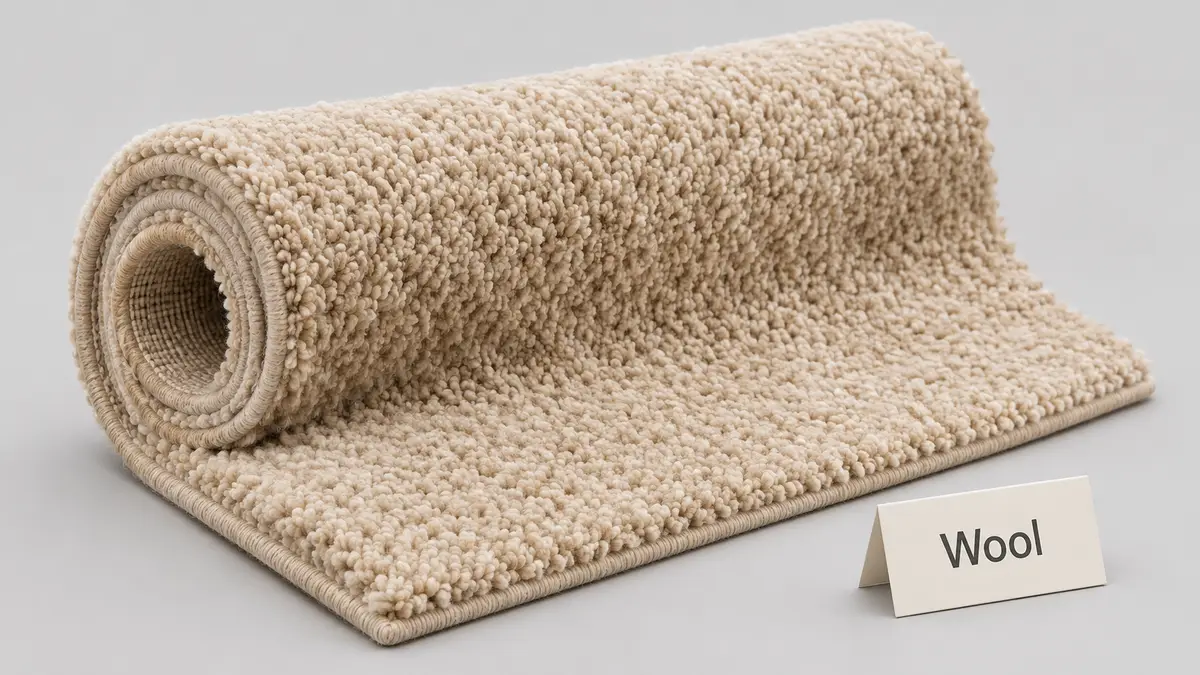
A flat 8% duty on tufted wool carpets
Read from the UK Trade Tariff on 7 October 2026, commodity code 5703 10 00 00 covers tufted floor coverings of wool or fine animal hair under heading 5703, whether or not made up. Goods from China carry 8% duty, with no recorded anti-dumping or countervailing measure and no suspension. The wool line is shared by the carpet formats shown in the table.
The tariff attaches a CITES import control to this code. Obtain the animal species declaration and ask your customs broker to confirm the requirement for the exact fibre, particularly where fine animal hair is proposed. Confirm any permits and restrictions before ordering. The tariff also records CITES export control and a cultural-object export licence measure; ask the broker about these if the goods will subsequently be exported.
Confirm the commodity code from the tufted construction and pile fibre, with the full blend specification for mixed-fibre carpets. The wider tufted floor coverings guide covers synthetic carpets and artificial grass.
| Goods | Commodity code | Duty | Anti-dumping or countervailing duty on China |
|---|---|---|---|
| Tufted wool broadloom carpet | 5703 10 00 00 | 8% | None |
Specify the wool pile and backing
State the pile fibre composition, cut or loop pile, pile height, pile mass, tuft density and backing construction. Agree roll width and usable length, or finished rug dimensions and edge binding. Keep an approved sample with the intended colour and pile direction. Require written approval before yarn, latex or secondary backing is changed.
For carpets supplied for fitting in buildings, confirm with the relevant authority whether a declaration of performance and reaction to fire class are required for the actual construction and backing. CE marking remains available for construction products in Great Britain; confirm the applicable CE or UKCA route for the carpet. Textile labels must show fibre content; check that the wool claim agrees with the agreed composition. Use testing and certification support to check the supporting reports.
Worked duty example
Illustrative example, not a quote: An illustrative order of tufted wool carpet rolls for a flooring retailer under 5703 10 00 00, invoiced at £21,000 free on board, with £3,500 of freight and insurance to the UK. The customs value is £24,500. Duty at 8% is £1,960. Import VAT at 20% is charged on the customs value plus duty, £26,460, so it is £5,292. Import taxes total £7,252; a VAT-registered importer can usually reclaim the VAT, so the lasting cost is the £1,960 of duty. The import duty and VAT guide explains each step.
Inspection checklist
Pile: compare height, mass, density and cut or loop appearance with the approved sample; check loose tufts and shedding.
Backing: check adhesion, tuft retention, odour and whether the carpet lies flat; inspect tiles for curled edges and rugs for loose binding.
Colour and size: view neighbouring rolls with the pile running in the same direction; compare dye batches, measure usable dimensions and check pattern alignment.
Documents and packing: match fibre labels and fire-performance documents to the supplied construction; check roll identification, dry wrapping, crushed cores and moisture damage on arrival.
Working out your own order? Send us the product on WhatsApp and we reply the same working day: WhatsApp us
What goes wrong
A sample can have a heavier pile or better backing than production. Low pile mass, weak tuft retention and uneven backing lead to flattening, loose fibres or ripples. Wool content claims can conceal a changed blend. Compare production samples with the retained approval sample and keep the composition and construction in the purchase specification.
Dye batches and pile direction can make adjoining carpet lengths look different. Backing substitution can also leave the fire report describing a different product. Record batch allocation before cutting, check labels against the packing list and resolve discrepancies before installation. A quality inspection should cover the finished carpet and its documents.
Cambridge China Bridge sources these products for UK businesses, checking the factory and the documents before shipment. See factory verification. For own-brand ranges, see sourcing for brands.
Frequently asked questions
What is the UK import duty on tufted wool carpets from China?
The supplied tariff facts show 8% for 5703 10 00 00, with no recorded anti-dumping or countervailing measure and no suspension.
Do tufted wool carpets need fire-performance documents?
Check that any supplied documents describe the actual pile, backing and construction.
Does the CITES tariff control apply to my wool carpet?
The tariff attaches the control to the wool or fine animal hair code. Give your broker the exact animal species and fibre specification so they can confirm the requirement before ordering.
How do I avoid colour differences between carpet rolls?
Agree the dye batch and pile direction, compare adjoining lengths under the same lighting, and keep roll identification through cutting and installation.