Sourcing tufted nylon carpets from China
Tufted nylon carpets from China carry a flat 8% UK import duty, with no anti-dumping duty recorded. Confirm any declaration of performance and conformity marking requirements with the relevant authority for carpets supplied for fitting in buildings; check the fire report for the exact backing. Cambridge China Bridge sources tufted nylon carpets.
Buying from China for a business? How our UK China sourcing agent service works · China sourcing agent for small orders and first imports
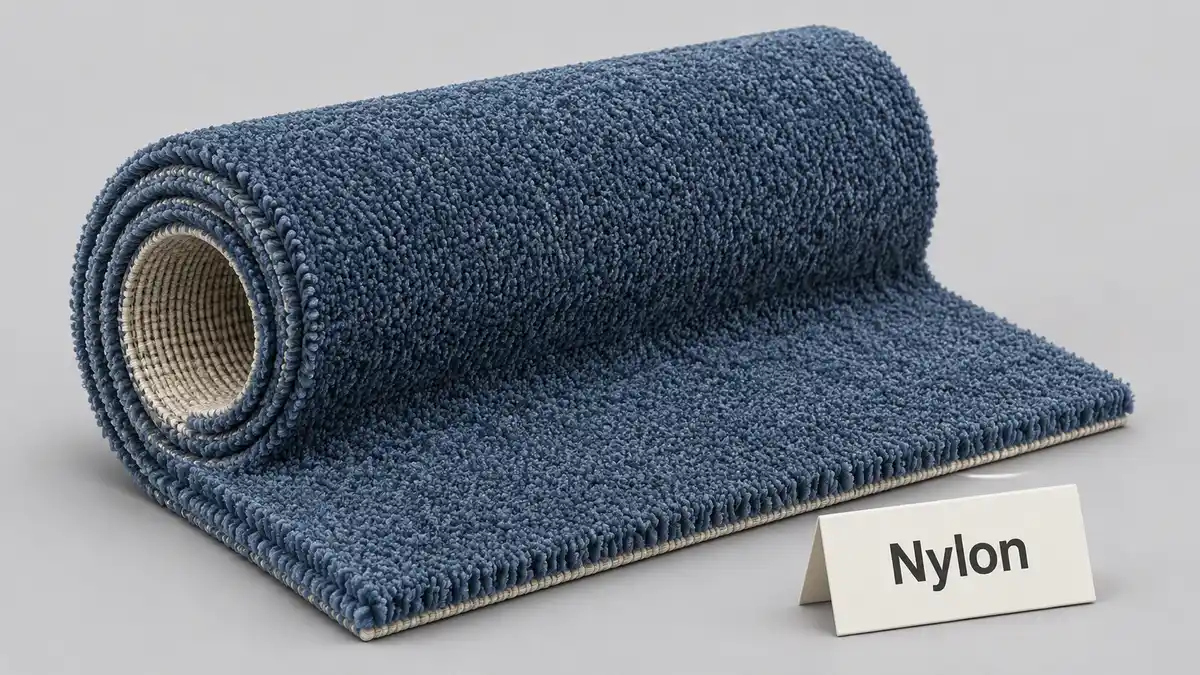
A flat 8% duty on nylon carpets
Read from the UK Trade Tariff on 7 October 2026, heading 5703 covers tufted carpets and other textile floor coverings, whether or not made up. The nylon carpet lines distinguish printed from other carpets and tiles with a maximum surface area of 1 m² from other formats. All the nylon carpet lines shown carry 8% duty on goods from China, with no anti-dumping or countervailing duty or suspension recorded.
The nylon lines list a DCMS Export Licence measure and no import control. The cultural-object licensing guidance concerns exports from Great Britain to destinations outside the UK. Ask your customs broker to confirm whether that export measure applies if you later export the carpets.
Confirm the commodity code using the tufted construction, pile fibre, printing and tile area. For wider heading context, see the tufted wool carpets guide. Budget separately for import VAT using the duty and VAT guide.
| Goods | Commodity code | Duty | Anti-dumping or countervailing duty on China |
|---|---|---|---|
| Printed tufted nylon carpet tiles, maximum surface area 1 m² | 5703 29 10 00 | 8% | None |
| Printed tufted nylon carpets, other than qualifying tiles | 5703 29 19 00 | 8% | None |
| Other tufted nylon carpet tiles, maximum surface area 1 m² | 5703 29 91 00 | 8% | None |
| Other tufted nylon carpets, other than qualifying tiles | 5703 29 99 00 | 8% | None |
Specify the nylon pile and backing together
State the nylon pile composition, cut or loop construction, pile height, pile mass, total mass and backing material. Agree roll dimensions or tile dimensions, pattern repeat, laying direction and acceptable colour variation against a retained sample. Describe the intended room and traffic so the factory quotes the construction you need.
For carpets supplied for fitting in buildings, confirm with the relevant authority whether a declaration of performance and CE or UKCA marking are required, and what reaction to fire information must be declared. CE marking continues to be recognised in Great Britain. Match the fire report to the ordered pile and backing rather than accepting a report for another carpet. Arrange testing and certification checks before production.
Fibre content must be labelled; confirm with the relevant authority how the labelling requirements apply to the use surface and backing of floor coverings. Keep the nylon pile specification separate from the backing description, and check the label against the actual fibre composition.
Worked duty example
Illustrative example, not a quote: Illustrative order: 3,000 nylon carpet tiles for a flooring retailer under 5703 29 91 00, invoiced at £21,000 free on board, with £3,500 of freight and insurance to the UK. The customs value is £24,500. Duty at 8% is £1,960. Import VAT at 20% is charged on the customs value plus duty, £26,460, so it is £5,292. Import taxes total £7,252; a VAT-registered importer can usually reclaim the VAT, so the lasting cost is the £1,960 of duty. The import duty and VAT guide explains each step.
Inspection checklist
Pile and fibre: compare fibre evidence, pile height, pile mass and tuft withdrawal with the agreed specification. Check for missing tufts, uneven loops and exposed backing.
Backing and shape: check backing adhesion, flatness and odour. Lay tiles together to reveal gaps, curling and poor squareness; unroll broadloom to check rippling.
Colour and pattern: compare rolls and tiles from different packs with the retained sample under the same lighting. Check printed pattern alignment, laying direction and colour fastness against the agreed tests.
Documents and arrival: match the performance declaration, fire report and fibre label to the supplied construction. Check dimensions, batch identities, quantities, dry wrapping and crushed roll cores when the shipment arrives.
Working out your own order? Send us the product on WhatsApp and we reply the same working day: WhatsApp us
What goes wrong
A visually similar sample can conceal lower pile mass or weaker backing adhesion. The resulting carpet flattens, sheds tufts or separates at the backing. Tiles can curl or leave gaps, while broadloom develops ripples. Strong backing odour and colour differences between batches create further complaints.
A fire report for a different backing does not establish the performance of the carpet you ordered. Keep the approved construction and sample with the purchase specification, inspect production batches against them, and investigate any change of yarn, backing or coating before accepting the shipment.
Cambridge China Bridge sources these products for UK businesses, checking the factory and the documents before shipment. See factory verification. For own-brand ranges, see sourcing for brands.
Frequently asked questions
What is the UK import duty on tufted nylon carpets from China?
The nylon carpet lines shown carry 8% duty, with no anti-dumping or countervailing duty or suspension recorded in the supplied tariff facts.
Which commodity code covers nylon carpet tiles?
Printed tiles with a maximum surface area of 1 m² fall under 5703 29 10 00; other qualifying nylon tiles fall under 5703 29 91 00. Confirm construction and fibre before declaring.
Do nylon carpets for buildings need a fire report?
Check the declared reaction to fire performance and the supporting report for the exact pile and backing. Confirm with the relevant authority whether carpets supplied for fitting in buildings need a performance declaration and CE or UKCA marking.
How do I avoid nylon carpet tiles curling or showing colour differences?
Agree backing, dimensions and colour tolerances against a retained sample. Lay tiles from different packs together, check flatness and squareness, and keep batch identities through delivery.