Sourcing thread grinding machines from China
Thread grinding machines from China have 0% UK duty across the relevant grinding-machine lines, whether numerically controlled or not. Confirm the applicable machinery safety requirements, conformity marking, declaration and English instructions with the relevant machinery-safety authority. Cambridge China Bridge sources thread grinding machines.
Buying from China for a business? How our UK China sourcing agent service works · China sourcing agent for small orders and first imports
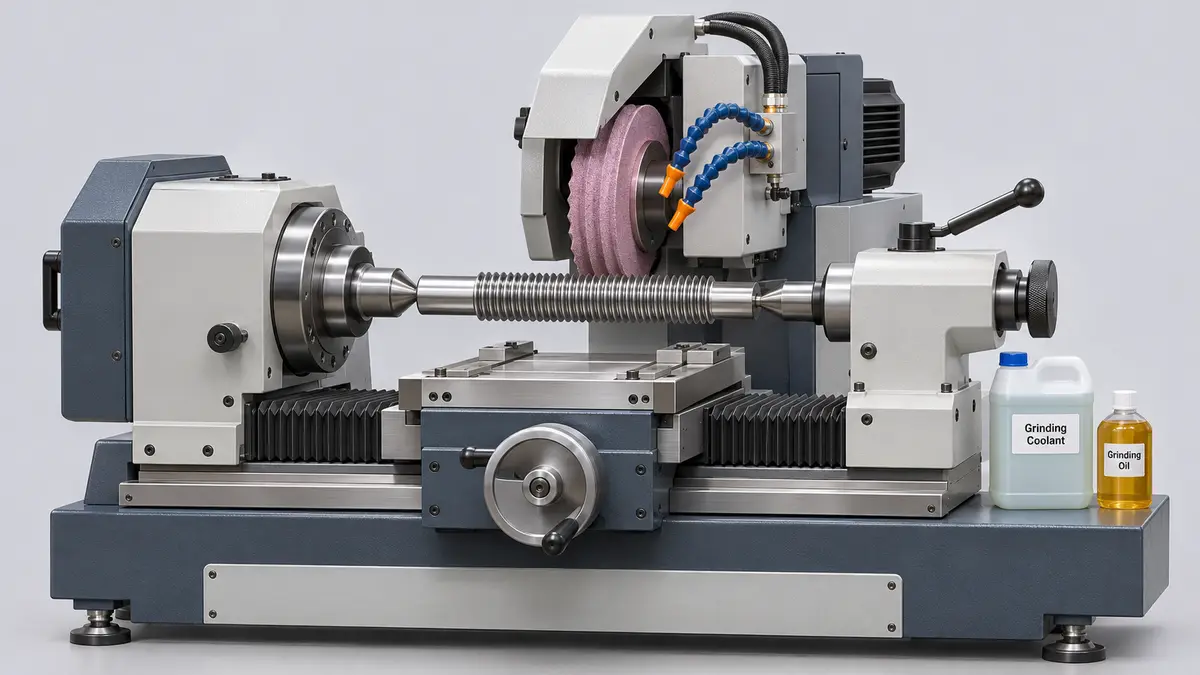
Thread grinder codes and 0% duty
Read from the UK Trade Tariff on 1 October 2026, heading 8460 covers machine tools finishing metal or cermets using grinding stones, abrasives or polishing products. This guide concerns machines grinding thread profiles. The table gives candidate grinding-machine lines, rather than a single code for every thread grinder. Gear grinding and gear finishing machines are excluded from this heading.
Goods from China carry 0% duty on every candidate line shown. The supplied tariff record lists no anti-dumping or countervailing duty, suspensions or attached import controls. Numerically controlled and other machines have separate lines; the cylindrical-grinding and other-grinding categories also need checking against the actual machine.
Confirm the commodity code using the machine's grinding function, workpiece geometry and control specification before declaring it. For the wider grinding-machine family, see cylindrical grinding machines.
| Goods | Commodity code | Duty | Anti-dumping or countervailing duty on China |
|---|---|---|---|
| Other cylindrical grinding machines, numerically controlled | 8460 23 00 00 | 0% | None |
| Other grinding machines, numerically controlled | 8460 24 00 00 | 0% | None |
| Grinding machines for cylindrical surfaces, not numerically controlled | 8460 29 10 00 | 0% | None |
| Other grinding machines, not numerically controlled | 8460 29 90 00 | 0% | None |
Specify the thread and prove the grinding cycle
Specify internal or external threads, workpiece material and hardness, thread form, pitch, lead, handedness, number of starts, grinding length and workholding. Agree limits for pitch diameter, lead error, flank profile and surface finish. Identify the wheel, dressing method, coolant filtration, control software and measuring equipment. Ask the factory to grind your representative part and supply the measurement results.
For machinery supplied for the Great Britain market, confirm with the relevant machinery-safety authority the applicable requirements under the Supply of Machinery (Safety) Regulations 2008, including essential health and safety requirements, conformity marking, a declaration of conformity and English instructions. CE or UKCA marking can be used for the Great Britain market under the applicable conformity route. Check the documents against the actual machine before shipment.
Worked duty example
Illustrative example, not a quote: 5 numerically controlled thread grinding machines, illustrative only, subject to code confirmation under 8460 24 00 00, invoiced at £110,000 free on board, with £7,000 of freight and insurance to the UK. The customs value is £117,000. Duty at 0% is £0. Import VAT at 20% is charged on the customs value plus duty, £117,000, so it is £23,400. With no duty, the only import tax is the VAT, which a VAT-registered importer can usually reclaim. The import duty and VAT guide explains each step.
Inspection checklist
Thread accuracy: grind the agreed part and measure pitch diameter, lead, flank profile and finish against the purchase specification. Include internal threads if they are part of the intended work.
Dressing and repeatability: repeat the test after wheel dressing and after the machine has warmed up. Check profile consistency, workholding run-out and synchronisation of rotation with axial travel.
Safety and documents: check wheel guarding, spindle speed limits, emergency stops, the declaration of conformity and English instructions against the supplied machine and wheel.
Arrival and installation: check transport locks, corrosion protection, accessories and measuring equipment. After levelling and commissioning, repeat the agreed thread test. Use the quality inspection guide to plan the checks.
Working out your own order? Send us the product on WhatsApp and we reply the same working day: WhatsApp us
What goes wrong
A machine can produce an acceptable thread diameter while its lead or flank profile is outside the agreed limits. An unsuitable dressing programme changes the profile; poor coolant filtration or vibration spoils the finish. A factory demonstration on an easier material or shorter thread may leave your intended application unproven.
Make acceptance depend on a measured part made from your specified material, with the agreed thread geometry and inspection method. Record the wheel and dressing settings, secure the machine for transport and repeat the test after installation. For workplace use, confirm with HSE the user's responsibilities for guarding, wheel mounting and operator training.
Cambridge China Bridge sources these products for UK businesses, checking the factory and the documents before shipment. See factory verification. For machinery and equipment, see machinery imports.
Frequently asked questions
What is the UK import duty on thread grinding machines from China?
The relevant grinding-machine lines carry 0% duty in the supplied tariff record. It lists no anti-dumping or countervailing duty, suspensions or attached import controls.
Which commodity code applies to a thread grinder?
Confirm it from the grinding function, workpiece geometry and whether the machine is numerically controlled. The table shows candidate lines; a supplier's description alone does not settle the code.
Can a thread grinding machine use CE marking in Great Britain?
Yes. CE or UKCA marking can be used under the applicable conformity route. Confirm with the relevant machinery-safety authority the declaration of conformity and English instructions required for the machine.
How should I test a thread grinder before shipment?
Have the factory grind your representative material and thread geometry. Measure pitch diameter, lead, flank profile and finish, repeat after dressing, and agree the same test after installation.