Sourcing roll grinding machines from China
Roll grinding machines from China under heading 8460 carry 0% UK duty across the relevant lines, with no listed anti-dumping duty. Confirm the applicable machinery safety requirements, conformity marking, declaration and English instructions with the relevant authority before placing a machine on the Great Britain market. Cambridge China Bridge sources roll grinding machines.
Buying from China for a business? How our UK China sourcing agent service works · China sourcing agent for small orders and first imports
Duty and classification for roll grinders
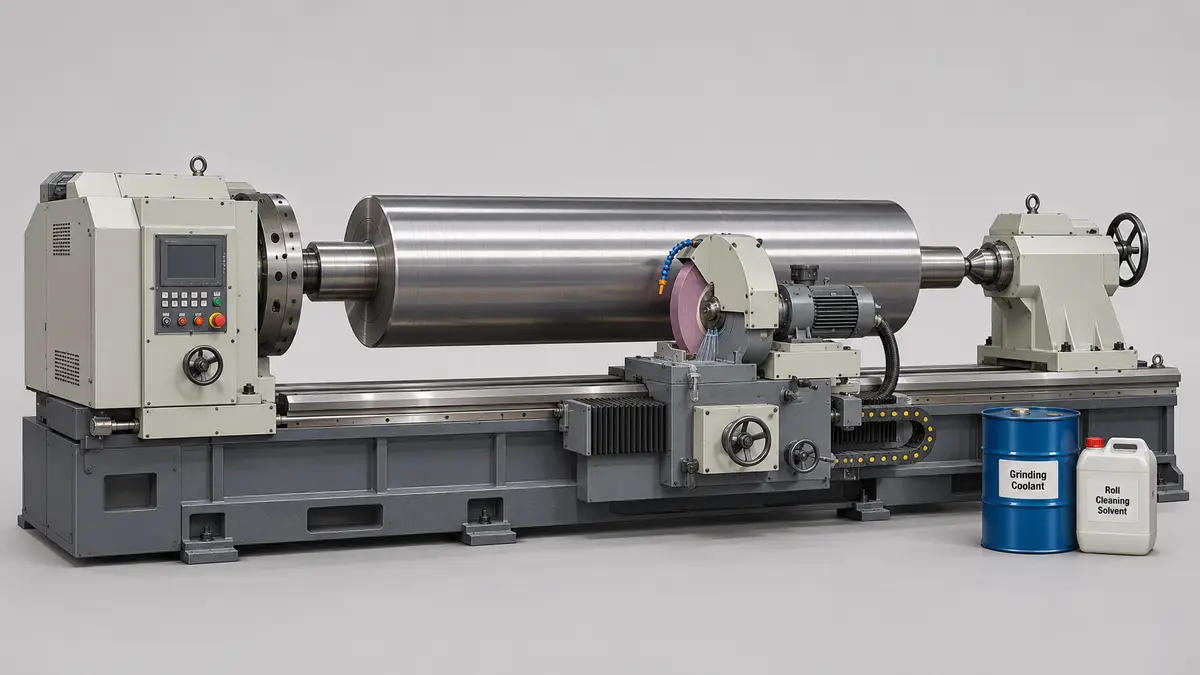
Heading 8460 covers machine tools that finish metal or cermets using grinding stones, abrasives or polishing products. This guide concerns machines that grind metal rolls. Cylindrical roll grinders are the main fit; the other grinding-machine lines shown are alternatives for configurations whose classification needs checking.
Read from the UK Trade Tariff on 1 October 2026, all relevant lines carried 0% duty for goods from China. The supplied tariff record lists no anti-dumping or countervailing duties, suspensions or attached import controls. This tariff position does not replace machinery safety checks.
Send the broker the roll material, grinding method, workpiece geometry and control specification to confirm the commodity code. Do not choose an 'other' line solely because the machine grinds a crown profile. See the surface grinding machines guide for wider heading context.
| Goods | Commodity code | Duty | Anti-dumping or countervailing duty on China |
|---|---|---|---|
| Other cylindrical grinding machines, numerically controlled | 8460 23 00 00 | 0% | None |
| Grinding machines for cylindrical surfaces, not numerically controlled | 8460 29 10 00 | 0% | None |
| Other numerically controlled grinding machines | 8460 24 00 00 | 0% | None |
| Other non-numerically controlled grinding machines | 8460 29 90 00 | 0% | None |
Specify the roll, its supports and its profile
Provide drawings showing roll body and journal dimensions, material, hardness, mass and the required cylindrical or crown profile. Agree grinding length and diameter capacity, workholding, steady rests, wheel and dressing system, coolant filtration, control functions and measuring equipment. Define acceptance through roundness, profile error, journal run-out and surface finish on an agreed representative roll.
Confirm with the relevant authority the essential health and safety requirements, conformity marking, declaration of conformity and English instructions applicable to the machine under the Supply of Machinery (Safety) Regulations 2008 before placing it on the Great Britain market. CE marking remains recognised in Great Britain. Check the safety documents for the actual machine and its supplied accessories before shipment.
Worked duty example
Illustrative example, not a quote: Illustrative order: one numerically controlled roll grinding machine for a roll repair workshop under 8460 23 00 00, invoiced at £110,000 free on board, with £7,000 of freight and insurance to the UK. The customs value is £117,000. Duty at 0% is £0. Import VAT at 20% is charged on the customs value plus duty, £117,000, so it is £23,400. With no duty, the only import tax is the VAT, which a VAT-registered importer can usually reclaim. The import duty and VAT guide explains each step.
Inspection checklist
Roll accuracy: grind the agreed roll and record diameter along its body, roundness, crown profile, journal run-out and surface finish against the contract.
Supports and travel: check headstock and tailstock alignment, steady-rest adjustment, roll drive, slide travel and repeatability with a representative roll supported.
Guarding and coolant: check wheel guards and spindle speed limits against the supplied wheels; test emergency stops, coolant delivery and filtration.
Documents and arrival: match the declaration, English manual and machine identity; inspect corrosion and transit damage, then repeat the acceptance checks after installation. Use the quality inspection guide to plan the checks.
Working out your own order? Send us the product on WhatsApp and we reply the same working day: WhatsApp us
What goes wrong
A demonstration on a short, light roll can hide support deflection or chatter on the buyer's actual workpiece. An agreed diameter alone also leaves crown shape and finish unresolved. Make the trial roll representative of the material, geometry and loading that the machine will handle.
Poor coolant filtration can damage the finish, while unsupported components or unlocked slides can lose alignment during transport. Agree lifting points, transit restraints and corrosion protection with the factory. Keep the factory measurement record so arrival checks can distinguish machine faults from installation or shipping problems.
Cambridge China Bridge sources these products for UK businesses, checking the factory and the documents before shipment. See factory verification. For machinery and equipment, see machinery imports.
Frequently asked questions
What is the UK import duty on roll grinding machines from China?
The relevant heading 8460 lines carried 0% duty in the supplied tariff record, read on 1 October 2026, with no listed anti-dumping or countervailing duties.
Which commodity code applies to a roll grinding machine?
Check 8460 23 00 00 for numerically controlled cylindrical grinders and 8460 29 10 00 for non-numerically controlled cylindrical grinders. Confirm the machine's grinding method and configuration with your broker.
What documents should accompany a roll grinder?
For the Great Britain market, confirm the applicable conformity marking, declaration of conformity and English-instruction requirements with the relevant authority. Check that the documents identify the machine supplied.
How do I test a roll grinder before shipment?
Grind a representative roll and measure roundness, diameter along the body, crown profile, journal run-out and surface finish. Repeat the agreed checks after installation.