Sourcing sweetened dried cranberries from China
The supplied cranberry line carries 16% UK duty from China, or 0% under its conditional food-manufacturing suspension. Repacking alone does not qualify. Imported dried fruit must meet the same hygiene standards and safety procedures as food produced in Great Britain. Cambridge China Bridge sources sweetened dried cranberries.
Buying from China for a business? How our UK China sourcing agent service works · China sourcing agent for small orders and first imports
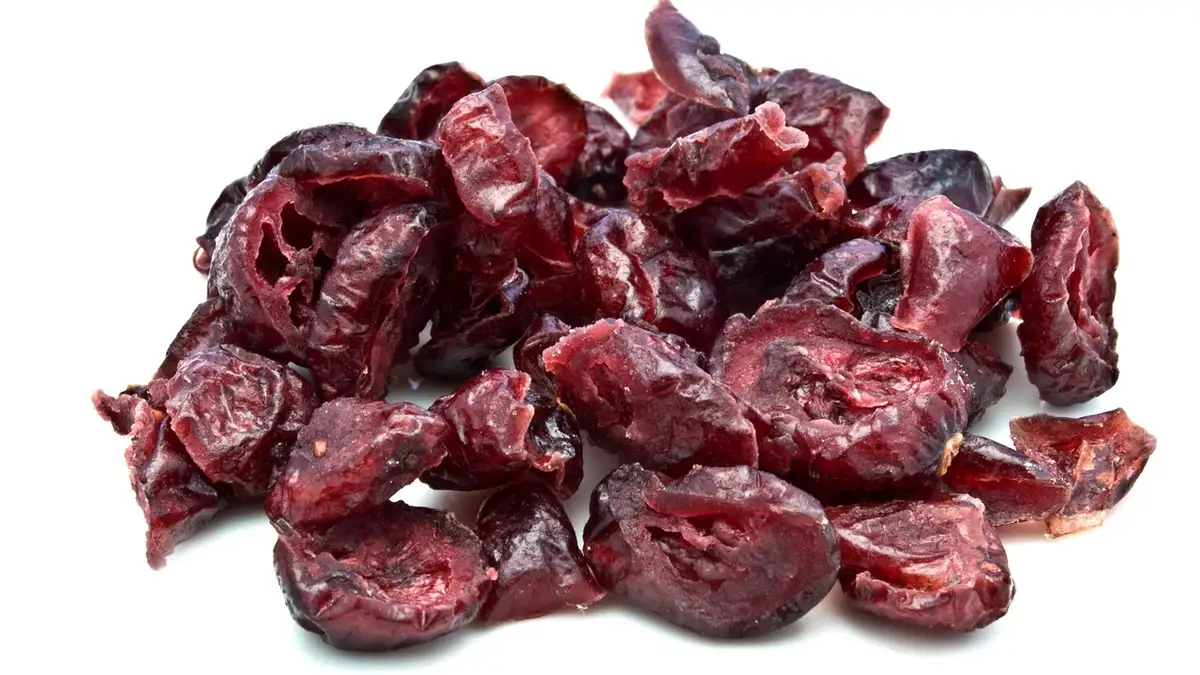
Food manufacture and packing determine the duty
Read from the UK Trade Tariff on 30 September 2026, heading 2008 covers otherwise prepared or preserved fruit, nuts and edible plant parts. The supplied cranberry line, 2008 93 91 20, covers sweetened dried cranberries without added spirit, in immediate packs exceeding 1 kg, for food manufacture. Packing or pasteurisation alone is excluded from that manufacturing description. The mixture rows are comparisons for blended products, not codes for unmixed cranberries.
The supplied line records 16% duty for goods from China and a conditional suspension to 0.00 %. Its suspension footnote excludes packing alone and mixtures, preparations or multicomponent products containing these cranberries. No anti-dumping or countervailing duty is recorded for this line. Ask your customs broker to confirm the manufacturing use and suspension eligibility before budgeting. Retail packs and goods intended only for repacking need their own classification.
The tariff attaches an organic import control. For organic cranberries from China into Great Britain, obtain a certificate of inspection for each consignment from the exporter’s control body and check the relevant non-UK organic registers. Confirm the commodity code using the recipe, immediate pack size and intended use. For the wider heading, see prepared nuts and canned fruit.
| Goods | Commodity code | Duty | Anti-dumping or countervailing duty on China |
|---|---|---|---|
| Sweetened dried cranberries for food manufacture, packs over 1 kg | 2008 93 91 20 | 16% | None |
| Other sweetened fruit mixtures without added spirit, packs over 1 kg | 2008 97 59 90 | 16% | None |
| Other sweetened fruit mixtures, no fruit exceeds 50%, smaller packs, no added spirit | 2008 97 74 90 | 12% | None |
| Other sweetened mixtures containing pistachios, smaller packs, no added spirit | 2008 97 78 19 | 18% | None |
Specify the cranberry recipe and drying finish
Specify whole, sliced or chopped fruit, sweetness and tartness, sugar or syrup type, surface oil and its source, colour, moisture, water activity and acceptable clumping. Agree the fruit content, broken-piece tolerance, foreign-matter checks, pack material, storage conditions and remaining shelf life at delivery. Trial the approved sample in your baking or mixing process rather than judging it only as a snack.
Check that any colours, sweeteners and preservatives are permitted for the product. Retail labels need the food name, ingredients, allergens, net quantity, date mark, storage conditions and UK business name and address. If sulphites exceed 10 mg/kg, declare them as an allergen.
Worked duty example
Illustrative example, not a quote: Illustrative order: 5 tonnes of sweetened dried cranberries in bulk packs for food manufacture; confirm suspension eligibility before calculating duty under 2008 93 91 20, invoiced at £15,000 free on board, with £1,200 of freight and insurance to the UK. The customs value is £16,200. Duty at 16% is £2,592. Import VAT at 20% is charged on the customs value plus duty, £18,792, so it is £3,758.40. Import taxes total £6,350.40; a VAT-registered importer can usually reclaim the VAT, so the lasting cost is the £2,592 of duty. The import duty and VAT guide explains each step. This assumes the goods are standard-rated for VAT. Most food for human consumption is zero-rated, and animal feed can be too, in which case no import VAT is due, so check the rate for your product in HMRC's VAT Notice 701/14.
Inspection checklist
Fruit and texture: compare colour, cut, chewiness, tartness, oiliness, clumps and broken pieces with the approved sample.
Batch testing: compare sugar, moisture, water activity, sulphite results and microbiological results with the agreed specification; match the report to the shipment batch.
Packs and labels: check seals, net weight, batch identity, dates and storage instructions; match sugar, oil, preservatives and allergen declarations to the actual recipe.
Arrival condition: inspect liners and cartons for moisture, tears, pests and contamination; hold suspect stock for assessment. Use the inspection guide to agree sampling before shipment.
Working out your own order? Send us the product on WhatsApp and we reply the same working day: WhatsApp us
What goes wrong
A sample can conceal recipe drift: the shipment tastes sweeter, carries more surface oil or contains more fragments. Uneven drying can leave sticky clumps or hard pieces, while damaged liners expose the fruit to moisture. Compare samples from different cartons and retain an approved reference sample.
A quote can also assume the suspension despite an order intended only for repacking. Keep the manufacturing purpose separate from the supplier’s price calculation and ask the broker to confirm eligibility. Check the actual recipe before printing labels, especially where preservatives or sulphites differ from the sample.
Cambridge China Bridge sources these products for UK businesses, checking the factory and the documents before shipment. See factory verification. For repeat volumes, see container programmes.
Frequently asked questions
What is the UK import duty on sweetened dried cranberries from China?
The supplied line 2008 93 91 20 records 16%, with a conditional suspension to 0.00 % for qualifying food manufacture. Confirm the code and suspension conditions with your customs broker.
Can I claim the cranberry duty suspension if I only repack them?
Packing alone is expressly excluded by the supplied suspension footnote. Do not assume that moving bulk cranberries into retail bags qualifies.
What should I test before buying sweetened dried cranberries?
Agree checks for sugar, moisture, water activity, sulphites and microbiological quality. Match the results to the shipment batch and trial texture and clumping in your intended process.
Do organic cranberries from China need an import certificate?
For Great Britain, each organic consignment needs a certificate of inspection issued by the exporter’s control body. Check the relevant non-UK organic registers before shipment.