Sourcing frozen cooked mixed vegetables from China
Frozen cooked vegetable mixtures from China pay 16% UK duty; selected separately imported component lines range from 16% to 18%. Confirm the cooking process and complete recipe before classification, especially any animal ingredients. Cambridge China Bridge sources frozen cooked mixed vegetables.
Buying from China for a business? How our UK China sourcing agent service works · China sourcing agent for small orders and first imports
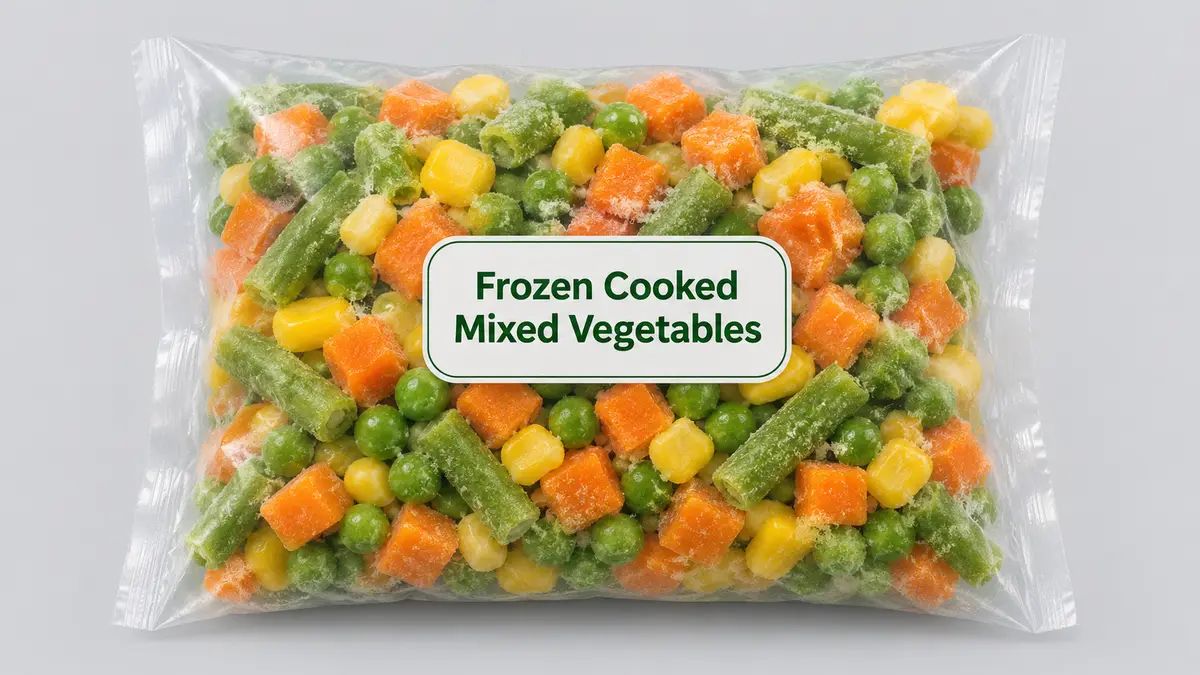
Duty on mixtures and separate vegetables
Read from the UK Trade Tariff on 30 September 2026, heading 2004 covers frozen vegetables prepared or preserved otherwise than by vinegar or acetic acid, excluding heading 2006 products. The mixtures line, 2004 90 98 10, carries 16% for goods from China. The selected separate-vegetable lines carry 16% to 18%. These component codes describe separate imports, not individual ingredients inside a mixture. The supplied tariff record lists no anti-dumping or countervailing duty and no suspension for these lines.
The UK Trade Tariff attaches veterinary and organic import controls to the selected lines. Fruit and vegetables normally do not need a health certificate, but ask your customs broker to confirm the veterinary requirement against the complete Chinese recipe. Food containing meat, dairy or eggs must follow animal-product import guidance. Organic consignments from China into Great Britain need a Great Britain certificate of inspection, including samples not intended for sale.
Give your broker the ingredient proportions, cooking process, sauces and packaging to confirm the commodity code. For other products within this heading, see the frozen sweet potato fries guide.
| Goods | Commodity code | Duty | Anti-dumping or countervailing duty on China |
|---|---|---|---|
| Frozen prepared vegetable mixtures | 2004 90 98 10 | 16% | None |
| Frozen prepared carrots, imported separately | 2004 90 98 20 | 16% | None |
| Frozen prepared peas and immature beans in pod, imported separately | 2004 90 50 00 | 18% | None |
| Frozen prepared asparagus, imported separately | 2004 90 98 30 | 16% | None |
Specify the mix and the cooking process
Fix the vegetable varieties, proportions, cut sizes and acceptable broken pieces. Describe whether each ingredient is fully cooked or only blanched, and whether the finished mix is intended for reheating or further cooking. Agree colour, firmness and water release using samples prepared by the intended kitchen method.
Record all oil, seasoning, sauce and animal ingredients. Agree pack weight, seal design, storage instructions, shelf life and temperature records from freezing through delivery. Confirm with the relevant food labelling authority which retail-pack details are required, including the food name, ingredients, allergens, net quantity, date mark, storage conditions and UK business name and address.
Importers must ensure food is safe and legal before importing it into Great Britain. Agree batch-specific microbiological testing and review the factory's cooking, cooling and cleaning records. Use testing and certification support to define the evidence needed for the agreed recipe.
Worked duty example
Illustrative example, not a quote: Illustrative order: 5 tonnes of frozen cooked mixed vegetables under 2004 90 98 10, invoiced at £15,000 free on board, with £1,200 of freight and insurance to the UK. The customs value is £16,200. Duty at 16% is £2,592. Import VAT at 20% is charged on the customs value plus duty, £18,792, so it is £3,758.40. Import taxes total £6,350.40; a VAT-registered importer can usually reclaim the VAT, so the lasting cost is the £2,592 of duty. The import duty and VAT guide explains each step. This assumes the goods are standard-rated for VAT. Most food for human consumption is zero-rated, and animal feed can be too, in which case no import VAT is due, so check the rate for your product in HMRC's VAT Notice 701/14.
Inspection checklist
Mix and cuts: separate sampled contents and compare vegetable proportions, sizes, broken pieces and foreign matter with the approved specification.
Cooking performance: prepare samples using the agreed instructions and check firmness, flavour, colour and water release.
Frozen condition: review transport temperature records and inspect for thawing, heavy ice, clumping, crushed cartons and leaking seals.
Labels and batches: compare ingredients, allergen emphasis, net weight and storage instructions with the approved artwork; match batch identifiers to laboratory and production records.
Working out your own order? Send us the product on WhatsApp and we reply the same working day: WhatsApp us
What goes wrong
A cheaper vegetable replaces part of the agreed mix, hard carrot pieces sit beside soft peas, or excessive cooking causes a watery product after reheating. Ice and clumping can indicate a problem with freezing or handling, but appearance alone does not establish the temperature history.
A sauce change can introduce an undeclared allergen or animal ingredient and invalidate the paperwork prepared for the original recipe. Require written approval for formulation changes and hold suspect batches pending review. Plan checks with the quality inspection guide.
Cambridge China Bridge sources these products for UK businesses, checking the factory and the documents before shipment. See factory verification. For repeat volumes, see container programmes.
Frequently asked questions
What is the UK import duty on frozen cooked mixed vegetables from China?
The supplied tariff record lists 16% for vegetable mixtures under 2004 90 98 10, with no anti-dumping or countervailing duty and no suspension.
Do frozen vegetable mixtures need a veterinary certificate?
Fruit and vegetables normally do not need a health certificate. The tariff attaches veterinary control, so have your broker confirm the requirement against the full recipe, including animal ingredients.
Can I import organic frozen mixed vegetables from China?
Organic consignments into Great Britain need a Great Britain certificate of inspection, including samples not intended for sale. Confirm the remaining organic requirements with your broker before ordering.
What should I check when frozen cooked vegetables arrive?
Check temperature records, ice and clumping, seals, net weight, vegetable proportions and batch records. Reheat samples using the agreed method to compare texture and water release.