Sourcing surgical monitors from China
Surgical monitors within heading 8528 carry UK duty from 0% to 14% from China, depending on their design for computer use. Where supplied as medical devices, registration with MHRA is required before placement on the Great Britain market. Cambridge China Bridge sources surgical monitors.
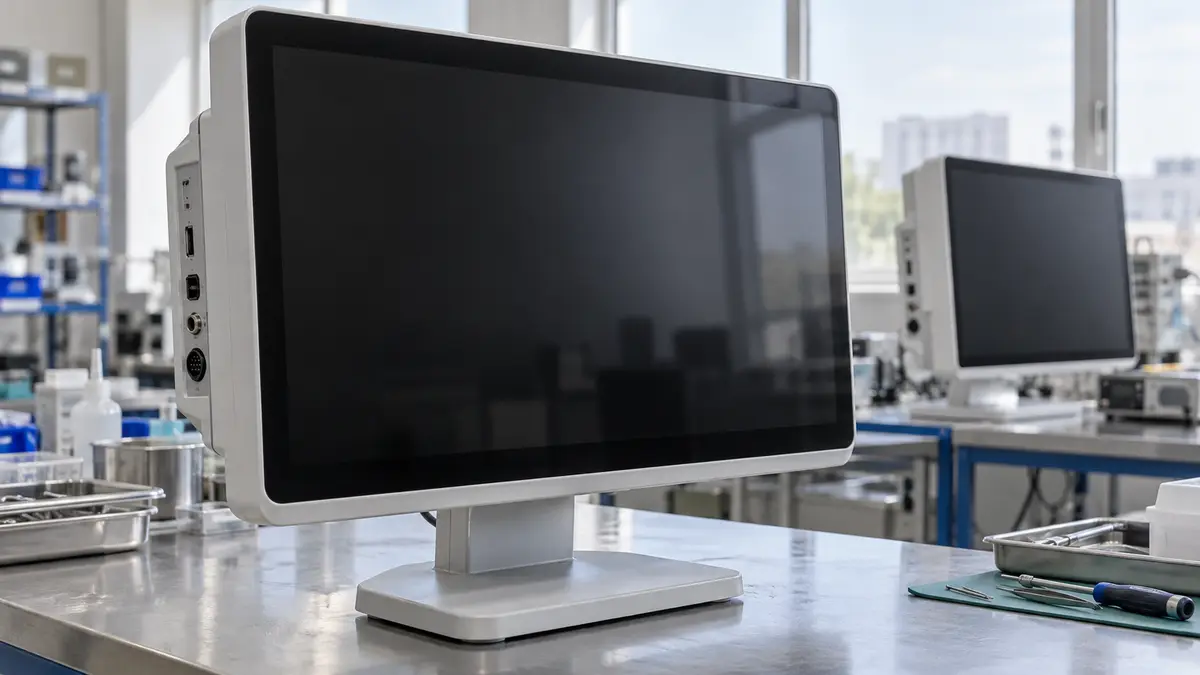
Surgical display duty depends on the design
Heading 8528 covers monitors and projectors without television reception apparatus, together with television reception apparatus. This guide concerns standalone surgical image displays within that heading. Describe the actual display and its inputs rather than relying on the supplier's surgical or medical label.
Read from the UK Trade Tariff on 1 October 2026, the selected computer-designed monitor lines carried 0% duty for goods from China; other monitors under 8528 59 00 90 carried 14%. These selected lines show no anti-dumping or countervailing duty, suspension or attached import control. Suspensions elsewhere in the heading concern specified vehicle equipment. For vehicle displays, see our rear-seat entertainment monitor sourcing guide.
Confirm the commodity code against the design, computer connectivity and intended function before ordering. The wider monitor and projector guide covers the rest of this heading.
| Goods | Commodity code | Duty | Anti-dumping or countervailing duty on China |
|---|---|---|---|
| Monitors solely or principally used with a computer | 8528 52 10 00 | 0% | None |
| Other LCD monitors designed to connect directly to a computer | 8528 52 91 00 | 0% | None |
| Other non-LCD monitors designed to connect directly to a computer | 8528 52 99 00 | 0% | None |
| Other monitors outside the computer-designed categories | 8528 59 00 90 | 14% | None |
Specify the surgical imaging chain
Specify the intended clinical use, panel maker, resolution, colour settings, viewing angles, image delay and supported signal formats. Name the camera processor, cables and connectors used by the buyer. Agree how the monitor handles signal loss, input switching and power restoration, and test the sample with the intended imaging equipment.
Where supplied as a medical device, the monitor must be registered with MHRA before placement on the Great Britain market. Manufacturers must comply with relevant medical device marking and conformity assessment requirements. Ask for the intended-use statement, declaration of conformity and model-specific supporting evidence; have the proposed supply arrangements reviewed through testing and certification.
Confirm with the relevant authority whether the actual product qualifies for an exclusion from the display ecodesign rules described in the wider guide before relying on it. Specify cleaning agents, enclosure finish, mounting, cable retention and the supplied power unit.
Worked duty example
Illustrative example, not a quote: Illustrative trial batch of surgical LCD monitors for a clinical equipment supplier under 8528 52 91 00, invoiced at £36,000 free on board, with £2,400 of freight and insurance to the UK. The customs value is £38,400. Duty at 0% is £0. Import VAT at 20% is charged on the customs value plus duty, £38,400, so it is £7,680. With no duty, the only import tax is the VAT, which a VAT-registered importer can usually reclaim. The import duty and VAT guide explains each step.
Inspection checklist
Image: check powered units for bright and dark pixels, uneven colour, backlight bleed and image cropping against the approved sample and written acceptance criteria.
Compatibility: use the buyer's camera processor and cables to check signal stability, image orientation, input switching and recovery after interrupted power.
Cleaning and mounting: check the enclosure and seals against the agreed cleaning instructions, inspect mounting threads and verify cable retention with the intended support.
Identity and packing: match model labels, power units, manuals and supporting documents to the shipment; inspect screen protection and cartons on arrival. Record findings through quality inspection.
Working out your own order? Send us the product on WhatsApp and we reply the same working day: WhatsApp us
What goes wrong
A screen can show an acceptable test image yet lose signal with the buyer's camera processor. Panel substitutions can change colour or viewing angles, while changed firmware can alter image delay or recovery behaviour. Freeze the approved panel, electronics and firmware configuration, and repeat compatibility checks after changes.
A generic monitor report may cover a different power unit or intended use. Compare the documents with the exact supplied configuration before accepting it. Cleaning damage, loose mounting threads and cracked panels are separate acceptance issues: record them on arrival and agree the replacement process before shipment.
Cambridge China Bridge sources these products for UK businesses, checking the factory and the documents before shipment. See factory verification. For components and parts, see sourcing for manufacturers. For the reverse trade, see exporting UK displays to China.
Frequently asked questions
What is the UK import duty on surgical monitors from China?
The selected heading 8528 monitor lines carry 0% for computer-designed monitors and 14% for other monitors. They show no anti-dumping or countervailing duty. Confirm the exact code.
Do surgical monitors need MHRA registration?
Where supplied as medical devices, they must be registered with MHRA before placement on the Great Britain market. Ask for evidence matching the exact model and intended use.
Are surgical monitors exempt from display ecodesign rules?
Confirm with the relevant authority whether the actual product qualifies for an exclusion from the display ecodesign rules described in the wider guide; the supplier's product name alone is insufficient.
How should I test a surgical monitor sample?
Use the intended camera processor and cables. Check colour, image delay, cropping, signal loss and recovery, then inspect pixels, mounting and the agreed cleaning method.