Sourcing steel bitumen tanks from China
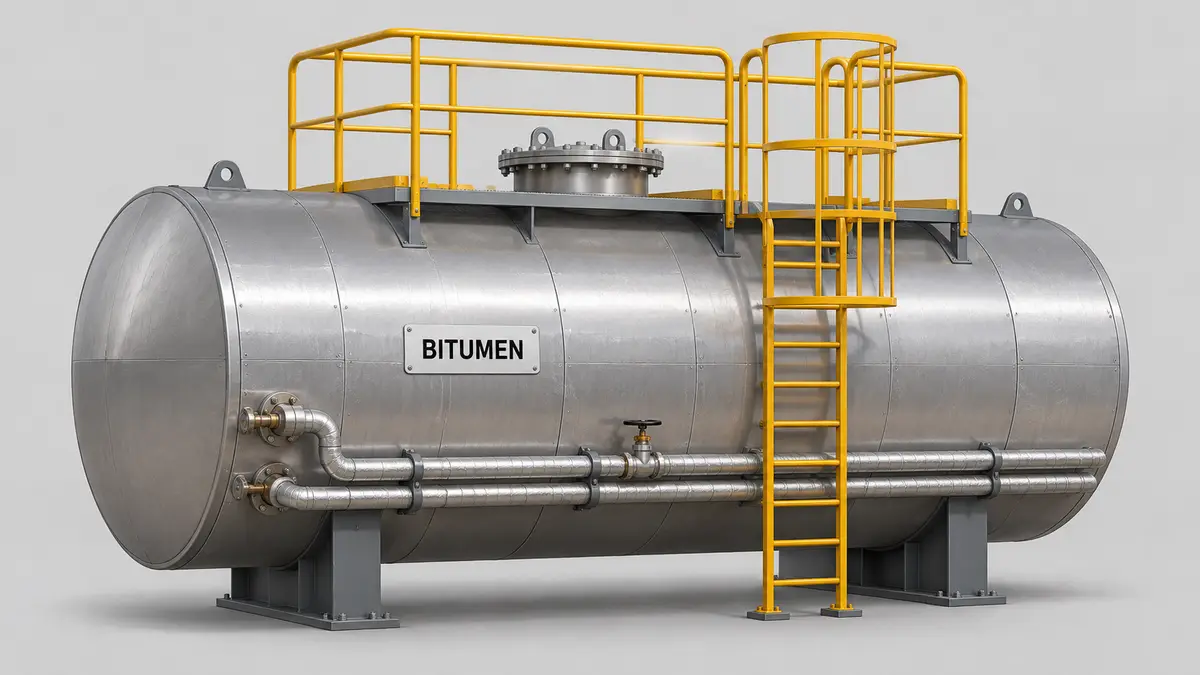
Steel bitumen storage tanks from China covered by heading 7309 carry 0% UK duty across the relevant lines. They must exceed 300 litres and have no mechanical or thermal equipment; insulation alone is permitted. Check fitted heaters before choosing the code. Cambridge China Bridge sources steel bitumen storage tanks.
Buying from China for a business? How our UK China sourcing agent service works · China sourcing agent for small orders and first imports
Zero duty depends on the tank configuration
Read from the UK Trade Tariff on 1 October 2026, the relevant heading 7309 lines carried 0% duty for goods from China. The supplied tariff facts list no anti-dumping or countervailing duty, suspensions, steel-measure condition or import controls on these lines.
Heading 7309 covers steel containers exceeding 300 litres without mechanical or thermal equipment. Insulation is permitted, but fitted heating or cooling jackets and agitators change classification. Specify the equipment supplied with the tank before ordering. The solids row concerns containers for solid bitumen, rather than liquid storage. For the wider heading, see steel diesel storage tanks.
Confirm the commodity code against the complete assembly and intended contents. Confirm with your customs broker whether these lines fall within the steel scope of CBAM for imports planned from 1 January 2027; consult the UK CBAM guide when planning imports.
| Goods | Commodity code | Duty | Anti-dumping or countervailing duty on China |
|---|---|---|---|
| Liquid bitumen tanks, lined or heat-insulated, without heating equipment | 7309 00 30 00 | 0% | None |
| Unlined, uninsulated liquid bitumen tanks exceeding 100,000 litres | 7309 00 51 00 | 0% | None |
| Unlined, uninsulated liquid bitumen tanks over 300 to 100,000 litres | 7309 00 59 00 | 0% | None |
| Steel containers for solid bitumen, without mechanical or thermal equipment | 7309 00 90 00 | 0% | None |
Specify the bitumen and the tank assembly
State whether the contents are hot bitumen, a liquid bitumen-based product or solid material. Agree working capacity, steel grade, plate thickness, operating temperature, design pressure, insulation construction and weather cladding. Put fill, outlet, vent, drain and manway positions on the approved drawing, together with supports and lifting points.
Separate insulation from heating equipment in the quotation. Identify any coils, jackets, heaters, pumps or agitators, and ask the customs broker to assess the complete supplied assembly. Agree thermal expansion arrangements, outlet accessibility and how the tank will be drained, cleaned and dried after testing.
HSE states that articles supplied for use at work must be safe, so far as reasonably practicable, and accompanied by adequate information for safe use. Obtain operating and maintenance instructions. For a vessel with a maximum allowable pressure above 0.5 bar, confirm with HSE whether the Pressure Equipment (Safety) Regulations 2016 apply and whether any exclusions are relevant. Agree the site containment design for the actual stored material.
Worked duty example
Illustrative example, not a quote: Illustrative order: four 20,000-litre insulated steel bitumen storage tanks without mechanical or thermal equipment under 7309 00 30 00, invoiced at £60,000 free on board, with £8,000 of freight and insurance to the UK. The customs value is £68,000. Duty at 0% is £0. Import VAT at 20% is charged on the customs value plus duty, £68,000, so it is £13,600. With no duty, the only import tax is the VAT, which a VAT-registered importer can usually reclaim. The import duty and VAT guide explains each step.
Inspection checklist
Materials: match plate certificates to the approved steel grade and tank identification; measure shell and bottom thickness against the drawing.
Welds: inspect seams, nozzle welds and support attachments; review agreed non-destructive examination and leak-test records, including repairs and retests.
Bitumen interfaces: check outlet position, drainability, vent openings, insulation continuity and access to connections; confirm that test water has been removed and the tank is dry.
Arrival: inspect dents, damaged cladding, lifting points, saddles and loose fittings before unloading; compare delivered equipment with the packing list and approved drawing. Agree checks through quality inspection.
Working out your own order? Send us the product on WhatsApp and we reply the same working day: WhatsApp us
What goes wrong
A quotation describes an insulated storage tank, but the delivered assembly includes heating equipment that changes its tariff classification. Missing vent details, inaccessible outlets or a layout that leaves trapped material can also make the tank unsuitable for the buyer's process.
Weld leaks, thin plate and damaged supports are difficult to resolve after installation. Insulation can conceal shell defects, while damaged cladding allows moisture beneath it. Agree inspection stages before insulation is fitted, retain repair records and photograph the tank before shipment and on arrival.
Cambridge China Bridge sources these products for UK businesses, checking the factory and the documents before shipment. See factory verification. For repeat volumes, see container programmes.
Frequently asked questions
What is the UK import duty on steel bitumen tanks from China?
The relevant heading 7309 lines carry 0% duty in the supplied tariff facts, with no listed trade remedies. This applies to containers exceeding 300 litres without mechanical or thermal equipment.
Does an insulated bitumen tank qualify for heading 7309?
Insulation alone is permitted. Fitted mechanical or thermal equipment changes the classification assessment, so give your customs broker the complete assembly drawing and equipment list.
Do bitumen storage tanks need pressure equipment compliance?
Confirm the design pressure and applicable classification.
What should I check when a bitumen tank arrives?
Check shell damage, supports, lifting points, nozzle positions and insulation cladding. Match identification to material and test records, and confirm the interior is dry before accepting the tank for installation.