Sourcing silicone adhesives from China
Silicone adhesives from China generally carry 6% UK duty; qualifying optically clear display adhesives carry 0%. Classification depends on formulation, use and retail packing. Adhesives sold in Great Britain must be classified and labelled under its chemical rules. Cambridge China Bridge sources silicone adhesives.
Buying from China for a business? How our UK China sourcing agent service works · China sourcing agent for small orders and first imports
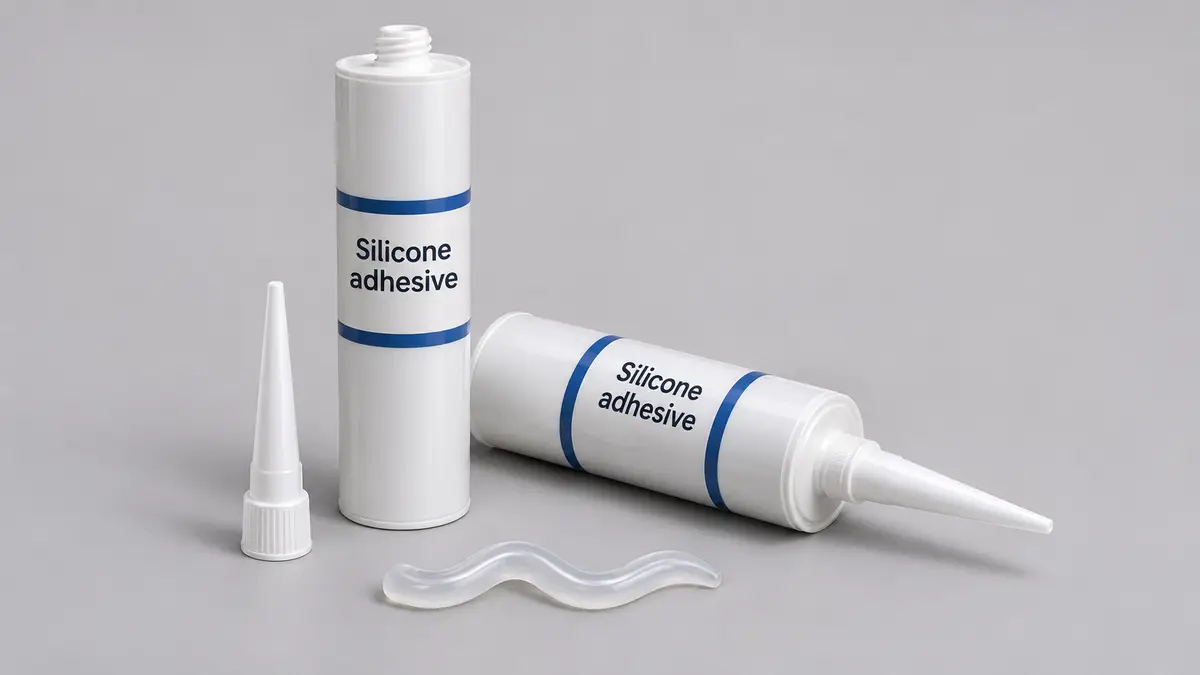
Usually 6%, with a specific optical adhesive line
Read from the UK Trade Tariff on 30 September 2026, heading 3506 covers prepared adhesives and retail adhesive packs not exceeding 1 kg. Retail silicone adhesives and other silicone polymer-based adhesives generally carry 6% duty from China. Qualifying optically clear adhesives principally for display or touch panels carry 0%. The supplied facts list no anti-dumping or countervailing duty.
The residual polymer adhesive line has a restricted 0% suspension for named products; it is not a general silicone adhesive exemption. The other prepared adhesive line has a suspension for a specified polyurethane adhesive. The tariff attaches waste import and export controls, and fluorinated greenhouse gas import controls to the residual polymer line. Ask your customs broker to confirm their application to your formulation and shipment, particularly if importing waste or aerosol products.
Confirm composition, intended use and retail pack weight before choosing the commodity code. Sealants and mastics fall under heading 3214, so a silicone product described as a sealant needs a separate classification check. For wider heading context, see the two-part epoxy adhesives guide.
| Goods | Commodity code | Duty | Anti-dumping or countervailing duty on China |
|---|---|---|---|
| Silicone adhesives in retail packs not exceeding 1 kg | 3506 10 00 00 | 6% | None |
| Optically clear silicone adhesives principally for display or touch panels | 3506 91 10 00 | 0% | None |
| Other silicone polymer-based adhesives | 3506 91 90 99 | 6% | None |
| Other prepared adhesives, where the formulation fits this residual line | 3506 99 00 00 | 6% | None |
Specify cure chemistry and the actual bond
Specify acetoxy or neutral cure, the substrates, surface preparation, primer, colour, viscosity and dispensing equipment. Agree how tack-free time, through-cure and bond strength will be tested at stated temperature and humidity. For electronics, specify the metals and components the adhesive will contact; for transparent bonds, approve clarity and bubbles on the actual assembly.
Obtain the formulation information and safety data sheet before approving artwork. Great Britain requires chemical classification and labelling under its classification, labelling and packaging rules. UK REACH registration can apply to substances within the mixture, so assess the ingredients rather than treating the finished adhesive as the registration unit. Agree storage conditions, maximum shipment age and remaining shelf life.
Worked duty example
Illustrative example, not a quote: Illustrative order of cartons of industrial silicone adhesive under 3506 91 90 99, invoiced at £18,000 free on board, with £1,500 of freight and insurance to the UK. The customs value is £19,500. Duty at 6% is £1,170. Import VAT at 20% is charged on the customs value plus duty, £20,670, so it is £4,134. Import taxes total £5,304; a VAT-registered importer can usually reclaim the VAT, so the lasting cost is the £1,170 of duty. The import duty and VAT guide explains each step.
Inspection checklist
Identity: match product grade, cure chemistry, colour and batch markings to the approved sample and documents.
Cure and adhesion: dispense onto the agreed substrates, check through-cure and test the cured bond using the approved preparation and primer.
Packing and age: check cartridge seals, leaks, hardened material at the outlet, batch dates and remaining shelf life.
Documents and labels: match the safety data sheet and English hazard information to the supplied formulation. Compare delivery samples with retained factory samples through the quality inspection process.
Working out your own order? Send us the product on WhatsApp and we reply the same working day: WhatsApp us
What goes wrong
A sample may bond clean glass while the production adhesive fails on coated metal or plastic. A cured surface can hide uncured material inside a thick joint. Test the actual joint geometry and substrates, including the agreed primer, before accepting a substitution.
Moisture entering damaged packaging can leave hardened plugs, while old stock reduces usable shelf life. Clarity and dispensing consistency can vary between batches. Record defects by batch, retain samples and require approval before the factory changes formulation or packaging.
Cambridge China Bridge sources these products for UK businesses, checking the factory and the documents before shipment. See factory verification. For repeat volumes, see container programmes.
Frequently asked questions
What is the UK import duty on silicone adhesive from China?
Usually 6% under the retail or residual polymer adhesive lines. Qualifying optically clear display or touch-panel adhesives carry 0%. The supplied facts list no anti-dumping or countervailing duty.
Is silicone sealant classified as an adhesive?
Sealants and mastics fall under heading 3214. Confirm whether the product is a prepared adhesive or a sealant using its composition and intended use.
What should I test before ordering silicone adhesive?
Test cure through the actual joint, adhesion to your substrates, primer compatibility, dispensing and appearance. Use the agreed temperature, humidity and surface preparation.
Do silicone adhesives need UK chemical checks?
For Great Britain, assess chemical classification and labelling, obtain the safety data sheet and check UK REACH registration responsibilities for the substances in the formulation.