Sourcing sheep and lamb leather from China
UK import duty is 0% for the supplied sheep and lamb leather line under heading 4112. The material must match the heading's processing and wool-free description. CITES permits depend on the animal species, so establish species identity before shipping. Cambridge China Bridge sources sheep and lamb leather.
Buying from China for a business? How our UK China sourcing agent service works · China sourcing agent for small orders and first imports
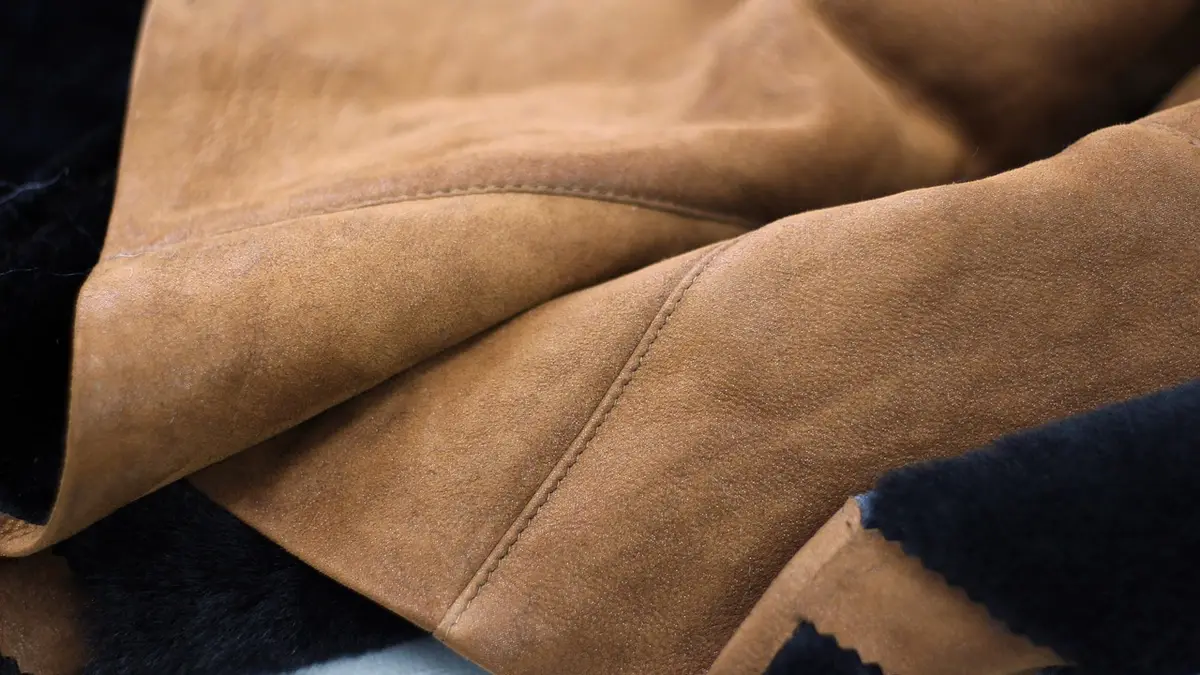
Duty and classification for sheep and lamb leather
Heading 4112 covers sheep or lamb leather further prepared after tanning or crusting, including parchment-dressed leather, without wool, whether or not split. It excludes leather of heading 4114. The supplied tariff file contains only the commodity line shown in the table.
Read from the UK Trade Tariff on 18 November 2026, the supplied line carries 0% duty for goods from China. The file records no anti-dumping or countervailing measure and no suspension. It attaches CITES import and export controls. For a CITES-listed specimen entering Great Britain from China, obtain the relevant permit and contact China's management authority for the corresponding documentation. Ask your customs broker to confirm how the attached control applies to the identified species.
Give your broker the animal species, processing stage, wool status and finish, together with photographs and a sample description. HMRC guidance says to look up the full commodity code for the declaration. Use finding your commodity code to organise this check before ordering.
| Goods | Commodity code | Duty | Anti-dumping or countervailing duty on China |
|---|---|---|---|
| Sheep or lamb leather further prepared after tanning, without wool | 4112 00 00 00 | 0% | None |
Specify usable cutting area and finish
Describe the intended use, such as garment panels or linings. Specify sheep or lamb, tanning method, grain or split construction, thickness tolerance, softness, stretch direction, colour and surface finish. Agree how skin area is measured and which damaged areas are excluded. A skin count alone does not describe the material available for cutting.
Approve a reference skin and a defect map showing acceptable scars, holes, loose grain and edge damage. Agree colour matching within the production batch and trial the leather with your cutting, sewing and bonding processes. Ask for testing of colour transfer, tear resistance and finish adhesion.
REACH restrictions can limit, ban or set conditions on substances used or placed on the market. Ask a laboratory to assess the leather's dyes, tanning chemicals and finish against restrictions relevant to its intended use. Match reports to the supplied leather and colour through testing and certification.
Worked duty example
Illustrative example, not a quote: Illustrative order: finished lamb leather skins for a small clothing workshop; quantity, FOB value and freight unspecified because the supplied sources contain no order figures. under 4112 00 00 00, invoiced at £0 free on board, with £0 of freight and insurance to the UK. The customs value is £0. Duty at 0% is £0. Import VAT at 20% is charged on the customs value plus duty, £0, so it is £0. With no duty, the only import tax is the VAT, which a VAT-registered importer can usually reclaim. The import duty and VAT guide explains each step.
Inspection checklist
Identity: compare the species declaration, processing description and batch identification with the purchase specification.
Cutting yield: check measured area, thickness variation, holes, scars and loose grain against the agreed defect map.
Finish: compare colour and handle with the approved skin; check rubbing, flexing and sewing performance using agreed methods.
Arrival condition: inspect for damp packaging, mould, staining and creases; photograph affected skins before mixing batches. Plan checks through quality inspection.
Working out your own order? Send us the product on WhatsApp and we reply the same working day: WhatsApp us
What goes wrong
A sample can look uniform while the shipment contains skins with different stretch, thickness or colour. Buying by gross area without agreeing usable area leaves room for disputes over holes and edge damage. Record the measurement method and acceptance criteria before production.
A generic description such as 'genuine leather' leaves species and processing unclear. Do not assume the tariff's CITES flag means every sheep or lamb shipment needs a permit. Establish the species and confirm the applicable documents before dispatch. Visual inspection also cannot establish chemical compliance.
Cambridge China Bridge sources these products for UK businesses, checking the factory and the documents before shipment. See factory verification. For repeat volumes, see container programmes.
Frequently asked questions
What is the UK import duty on sheep leather from China?
The supplied tariff file shows 0% for 4112 00 00 00. It records no anti-dumping or countervailing measure and no suspension.
Does sheep leather need a CITES permit?
The tariff attaches a CITES control. Permit requirements depend on species identity. For CITES-listed specimens entering Great Britain, obtain the relevant permit and confirm corresponding documents with China's management authority.
What should I specify when buying lamb leather?
Specify species, tanning method, grain or split construction, thickness tolerance, colour, softness, stretch and finish. Agree measured area, usable cutting area and acceptable defects against an approved skin.
How do I check a leather shipment on arrival?
Compare batch identity, area, thickness, colour and defects with the specification. Inspect for dampness, mould and creases. Keep photographs and batch records, and match laboratory reports to the delivered leather.