Sourcing rough paulownia logs from China
Rough paulownia logs from China carry 0% UK duty across the relevant untreated and preservative-treated lines. Timber legality needs due diligence, and the tariff's quarantine release and CITES flags need checking against the actual shipment. Cambridge China Bridge sources rough paulownia logs.
Buying from China for a business? How our UK China sourcing agent service works · China sourcing agent for small orders and first imports
Duty and controls for rough paulownia logs
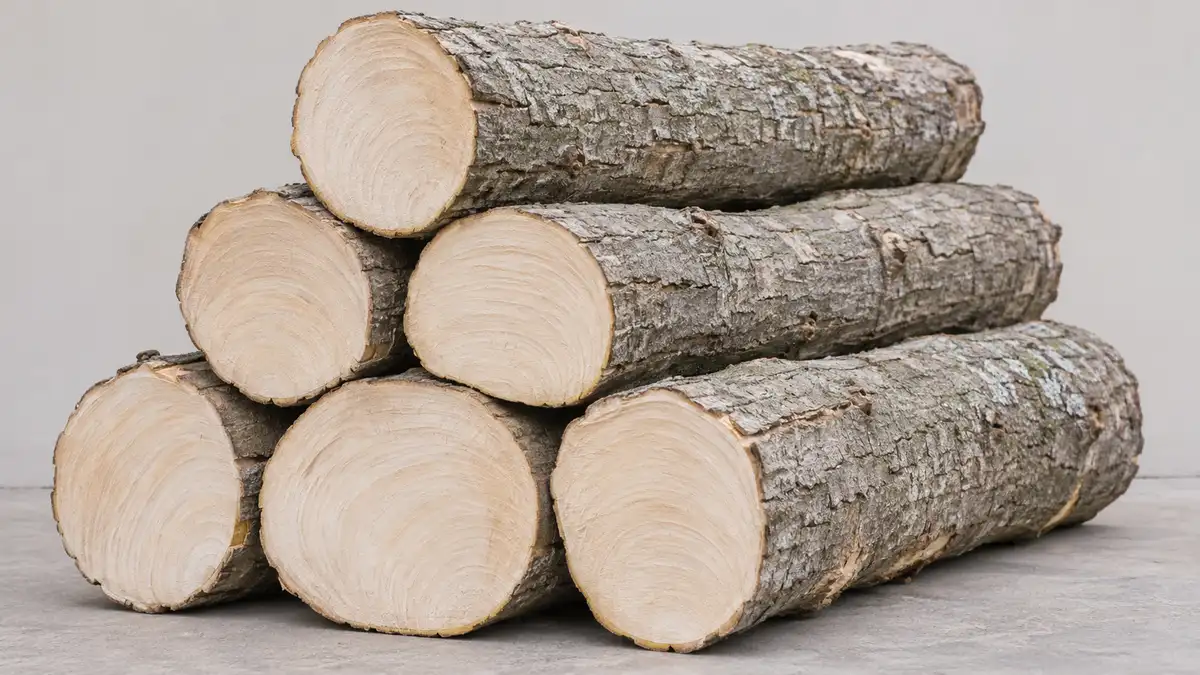
Heading 4403 covers wood in the rough, including wood stripped of bark or sapwood and roughly squared wood. Read from the UK Trade Tariff on 29 September 2026, the relevant untreated and preservative-treated lines carried 0% duty for goods from China, with no anti-dumping or countervailing duty and no listed suspensions. The table shows product forms sharing the relevant codes, rather than separate paulownia tariff lines.
Both relevant lines attach a Quarantine Release Certificate control and CITES import and export controls. Confirm their applicability to the exact paulownia species, harvest country and bark condition with your customs broker before shipment; paulownia-specific requirements have not been verified here. Ask your broker and the Forestry Commission to confirm which plant-health or clearance documents are required and how they relate to the customs declaration to HMRC. If a CITES-listed species is involved, confirm the applicable permit requirements.
Confirm the commodity code using the species, processing and preservative treatment details. Do not use a rough-log description for finished boards. See the rough wood sourcing guide for the wider heading.
| Goods | Commodity code | Duty | Anti-dumping or countervailing duty on China |
|---|---|---|---|
| Untreated rough paulownia logs with bark | 4403 99 00 00 | 0% | None |
| Rough paulownia logs treated with preservatives | 4403 12 00 00 | 0% | None |
Specify usable paulownia log yield
Specify the botanical species, round or roughly squared form, bark condition, length, small-end diameter and measurement method. Agree whether volume includes bark and how taper, end splits, knots, decay and hollow centres affect acceptance. State whether the logs are green or dried and agree a moisture acceptance criterion suited to your intended processing.
The timber regulations cover imported timber. Confirm with the relevant timber authority the legal-harvest and due diligence obligations for the business first placing timber on the Great Britain market. Ask the supplier for harvest-country and species information and documents linking the logs to their harvest source before ordering.
Worked duty example
Illustrative example, not a quote: 50 cubic metres of untreated rough paulownia logs, illustrative only under 4403 99 00 00, invoiced at £22,000 free on board, with £3,500 of freight and insurance to the UK. The customs value is £25,500. Duty at 0% is £0. Import VAT at 20% is charged on the customs value plus duty, £25,500, so it is £5,100. With no duty, the only import tax is the VAT, which a VAT-registered importer can usually reclaim. The import duty and VAT guide explains each step.
Inspection checklist
Identity: compare the logs, bundle identifiers and supplier documents with the agreed paulownia species and harvest source.
Dimensions: measure length and small-end diameter across the load, check taper and recalculate volume using the agreed bark allowance.
Condition: inspect end grain and exposed surfaces for splits, hollow centres, decay, mould and insect holes; photograph suspect logs before processing.
Moisture and handling: compare moisture readings with the agreed condition, record crushed ends and strap damage, and reconcile delivered bundles with the packing list.
Working out your own order? Send us the product on WhatsApp and we reply the same working day: WhatsApp us
What goes wrong
A load can meet the invoiced volume yet yield less usable timber because bark, taper, hollow centres or split ends were counted differently. A description such as paulownia logs also leaves room for mixed species or mixed condition. Agree the measurement and rejection rules before dispatch, then retain arrival photographs and measurements.
Documents identifying only the Chinese seller leave the harvest source unclear. Collect the source documents before committing to the shipment, and resolve the tariff control flags with your broker. Keep suspect or disputed bundles identifiable until the supplier has reviewed the evidence.
Cambridge China Bridge sources these products for UK businesses, checking the factory and the documents before shipment. See factory verification. For repeat volumes, see container programmes.
Frequently asked questions
What is the UK import duty on rough paulownia logs from China?
The relevant untreated and preservative-treated lines carried 0% duty on 29 September 2026, with no listed anti-dumping or countervailing duty.
What commodity code covers untreated paulownia logs?
4403 99 00 00 is the relevant other rough-wood line. Confirm the species and processing with your broker; preservative-treated non-coniferous rough wood has a different line.
Do paulownia logs need a quarantine release certificate?
The tariff attaches that control to the relevant lines. Confirm applicability and plant health paperwork with your broker for the exact species, harvest country and bark condition before shipping.
What should I inspect when paulownia logs arrive?
Check species identity, small-end diameter, length, taper, bark allowance and moisture. Record end splits, hollow centres, decay, insect holes and handling damage before cutting the logs.