Sourcing rough Chinese fir logs from China
Rough Chinese fir logs from China carry 0% UK duty across the relevant lines. Imports into Great Britain need a phytosanitary certificate; confirm any timber-legality due diligence requirements with the relevant authority. Confirm the botanical species, bark condition and plant health arrangements before shipment. Cambridge China Bridge sources rough Chinese fir logs.
Buying from China for a business? How our UK China sourcing agent service works · China sourcing agent for small orders and first imports
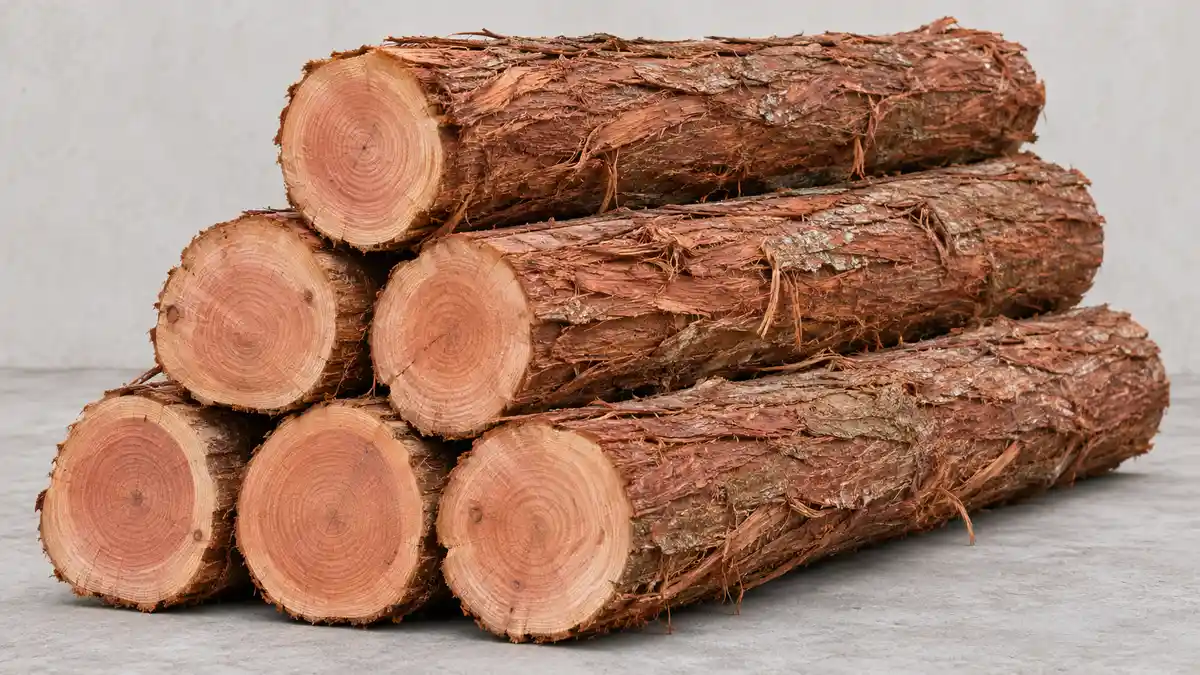
Duty and controls for rough Chinese fir logs
Heading 4403 covers wood in the rough, including logs stripped of bark or sapwood and roughly squared timber. Confirm the botanical species behind the name Chinese fir before using the other-coniferous lines. The tariff's fir and spruce categories expressly name Abies and Picea. Preservative-treated coniferous logs have a separate line.
Read from the UK Trade Tariff on 29 September 2026, the selected lines carried 0% duty for goods from China, with no anti-dumping or countervailing duty and no listed suspension. Each attaches a Quarantine Release Certificate and CITES import and export controls. Natural wood from China needs a phytosanitary certificate for Great Britain. A quarantine release certificate is issued after satisfactory inspections.
Confirm the commodity code using species, treatment, dimensions and intended use. Ask your customs broker to confirm the detailed Chinese-origin plant health requirements, including any treatment and additional declarations. CITES permits depend on species listing; have the broker confirm how the attached controls apply to your shipment and any later export. For related rough-log categories, see rough larch logs.
| Goods | Commodity code | Duty | Anti-dumping or countervailing duty on China |
|---|---|---|---|
| Chinese fir sawlogs, smallest cross-sectional dimension 15 cm or more | 4403 25 10 00 | 0% | None |
| Other rough Chinese fir logs, smallest cross-sectional dimension 15 cm or more | 4403 25 90 00 | 0% | None |
| Other rough Chinese fir logs below the larger-size category | 4403 26 00 00 | 0% | None |
| Rough Chinese fir logs treated with paint, stains or preservatives | 4403 11 00 00 | 0% | None |
Specify species, usable diameter and log condition
Ask the supplier to identify the botanical species rather than invoice the load simply as fir. Specify the harvest country and location, log lengths, small-end diameter, taper, straightness, bark condition and whether volume is measured over or under bark. Agree acceptable knots, end splits, decay and moisture condition against your intended sawing process.
Timber businesses must take steps to ensure legal sources. If your business first places timber on the Great Britain market, confirm the applicable harvest-legality due diligence requirements with the relevant authority. Gather species, harvest origin and supporting legality documents before ordering. Arrange the notice of landing with your import agent so inspection can be organised. Agree the plant health route before the supplier prepares the shipment.
Worked duty example
Illustrative example, not a quote: Illustrative order: 50 cubic metres of rough Chinese fir sawlogs under 4403 25 10 00, invoiced at £18,000 free on board, with £3,500 of freight and insurance to the UK. The customs value is £21,500. Duty at 0% is £0. Import VAT at 20% is charged on the customs value plus duty, £21,500, so it is £4,300. With no duty, the only import tax is the VAT, which a VAT-registered importer can usually reclaim. The import duty and VAT guide explains each step.
Inspection checklist
Identity: compare the supplied species and harvest records with the purchase specification, invoice and phytosanitary certificate.
Dimensions: measure length, small-end diameter, taper and sweep across the load; reconcile the log tally and the agreed volume measurement method.
Condition: inspect log ends and surfaces for splits, rot, insect holes, mould and bark remaining beyond the agreed condition; photograph defects before unloading changes their appearance.
Sawing suitability: examine representative logs for knot concentration and internal defects, and compare moisture readings with the agreed condition. Arrange quality inspection before loading and repeat the condition checks on arrival.
Working out your own order? Send us the product on WhatsApp and we reply the same working day: WhatsApp us
What goes wrong
A quotation based on diameter over bark can overstate usable wood. Taper, crooked stems, deep end splits and concealed decay reduce recovery even when the shipment's stated volume matches the invoice. Loose species descriptions also make it harder to reconcile the timber with the tariff category and harvest documents.
A supplier's treatment note can be mistaken for the phytosanitary certificate needed for entry. Check the certificate and inspection arrangements with the broker before dispatch. Keep log identification linked to the harvest file, and record moisture and visible damage at loading and arrival so a condition dispute has comparable evidence.
Cambridge China Bridge sources these products for UK businesses, checking the factory and the documents before shipment. See factory verification. For repeat volumes, see container programmes.
Frequently asked questions
What is the UK import duty on rough Chinese fir logs from China?
The relevant lines carry 0% duty in the supplied tariff record, with no anti-dumping or countervailing duty and no listed suspension. Plant health and CITES controls still need checking.
Do Chinese fir logs need a phytosanitary certificate?
Yes, natural wood from China entering Great Britain needs a phytosanitary certificate. Ask your broker to confirm the species-specific treatment and declaration requirements before shipment.
Can I use the fir and spruce commodity codes?
Do not choose them from the trade name alone. Those tariff categories name Abies and Picea. Confirm the actual botanical species, dimensions, treatment and use before selecting a code.
What should I check when Chinese fir logs arrive?
Check species records, log tally, usable diameter, taper, straightness, bark, splits, decay and moisture. Compare the load with the agreed specification and the loading inspection photographs.