Sourcing coffee-chicory blends from China
Roasted coffee-chicory blends containing coffee carry 10% UK duty under 0901 90 90 00; the wider heading ranges from 0% to 10%. Organic imports need an inspection certificate. Agree the coffee-to-chicory ratio and check food labels before production. Cambridge China Bridge sources roasted coffee-chicory blends.
Buying from China for a business? How our UK China sourcing agent service works · China sourcing agent for small orders and first imports
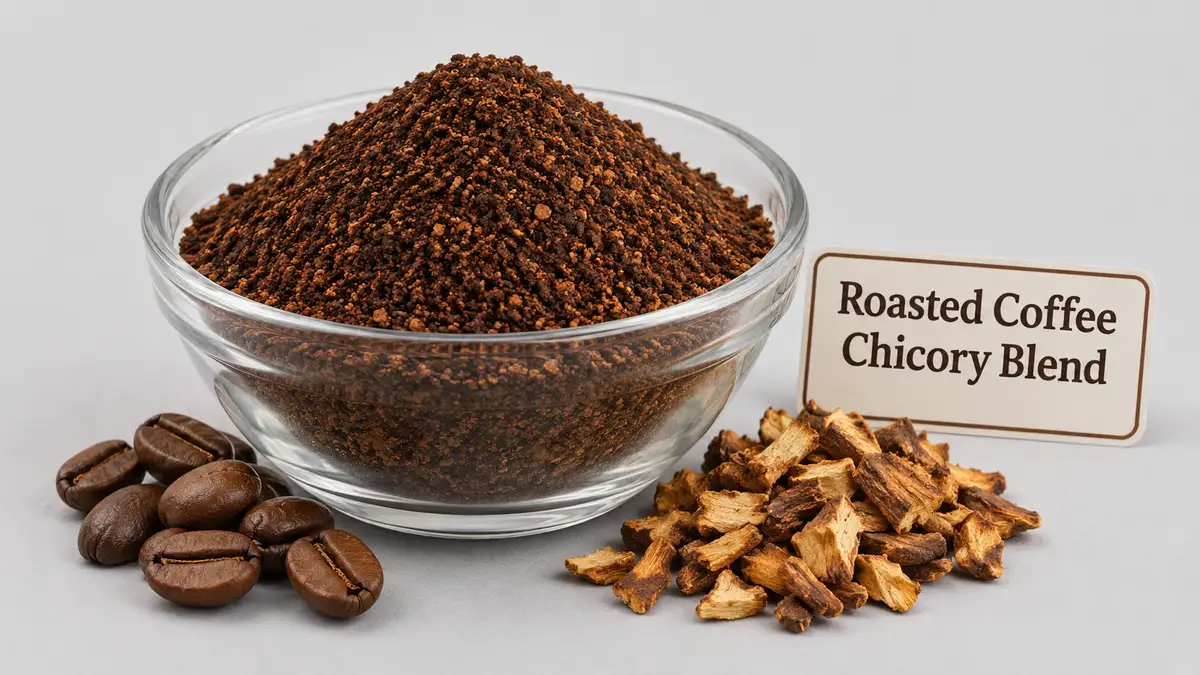
Duty on blends and coffee inputs
Read from the UK Trade Tariff on 5 October 2026, heading 0901 covers coffee and coffee substitutes containing coffee in any proportion. Its coffee-substitute line, 0901 90 90 00, carries 10% duty for goods from China. The table also identifies separate coffee inputs: unroasted coffee that is not decaffeinated carries 0%, roasted coffee 6%, and decaffeinated roasted coffee 8%. See the wider coffee guide.
The supplied tariff data records no anti-dumping or countervailing duty and no suspension on these lines. It attaches an organic import control. Organic blends need an inspection certificate, issued by the exporter's control body in the country of export. Your company must be based and certified in the UK to import organic products. Confirm the consignment paperwork with your organic control body and customs broker before dispatch.
Send your broker the full recipe and a description of roasting, grinding and intended use to confirm the commodity code. The coffee-input rows are separate goods, not alternative declarations for the finished blend. Ask for classification advice before ordering a soluble extract or a product containing no coffee.
| Goods | Commodity code | Duty | Anti-dumping or countervailing duty on China |
|---|---|---|---|
| Coffee-containing substitutes, including roasted coffee-chicory blends | 0901 90 90 00 | 10% | None |
| Roasted coffee input, not decaffeinated | 0901 21 00 00 | 6% | None |
| Roasted coffee input, decaffeinated | 0901 22 00 00 | 8% | None |
| Unroasted coffee input, not decaffeinated | 0901 11 00 00 | 0% | None |
Specify the coffee-to-chicory recipe
Specify the coffee and roasted chicory proportions by weight, coffee origin and decaffeination status, chicory root identity, roast profile and grind distribution. Record any cereals, flavourings or other additions. Approve a brewed sample using your intended brewing method, then retain the recipe and reference sample for repeat orders.
Agree moisture, foreign matter, pack size, seal construction and storage conditions with the processor. Ask for acrylamide mitigation records and batch test reports suitable for the actual blend. Confirm the requirements for the food name, net quantity, best-before date and importer details with the relevant food-labelling authority. Ingredients must appear in descending order of weight. Review the label against the agreed recipe before printing.
Worked duty example
Illustrative example, not a quote: Illustrative order: 2 tonnes of roasted coffee-chicory blend in sealed bags under 0901 90 90 00, invoiced at £24,000 free on board, with £1,800 of freight and insurance to the UK. The customs value is £25,800. Duty at 10% is £2,580. Import VAT at 20% is charged on the customs value plus duty, £28,380, so it is £5,676. Import taxes total £8,256; a VAT-registered importer can usually reclaim the VAT, so the lasting cost is the £2,580 of duty. The import duty and VAT guide explains each step. This assumes the goods are standard-rated for VAT. Most food for human consumption is zero-rated, and animal feed can be too, in which case no import VAT is due, so check the rate for your product in HMRC's VAT Notice 701/14.
Inspection checklist
Recipe: compare production records and ingredient weights with the approved coffee-to-chicory ratio; investigate undeclared substitutions.
Brew: compare aroma, bitterness, body, sediment and grind consistency with the retained sample using the same brewing method.
Packaging: inspect seals, damaged bags, moisture, clumping and foreign odours on arrival; check net contents against the agreed pack size.
Documents: match batch identification on bags, cartons and test reports; check the printed ingredient order, date marking and importer details, plus organic paperwork where applicable.
Working out your own order? Send us the product on WhatsApp and we reply the same working day: WhatsApp us
What goes wrong
A changed chicory proportion can alter bitterness, body and brewing behaviour while the packaging still describes the original recipe. Uneven grinding can cause sediment or inconsistent extraction. Damp packing encourages clumping, and poor seals allow the roasted aroma to fade or foreign odours to enter.
A supplier may describe the finished blend simply as roasted coffee, causing the buyer to budget using the coffee-input duty. Check the recipe and classification together before agreeing the order. Hold any batch whose flavour, ingredients or documents differ from the approved specification for investigation.
Cambridge China Bridge sources these products for UK businesses, checking the factory and the documents before shipment. See factory verification. For repeat volumes, see container programmes.
Frequently asked questions
What is the UK import duty on coffee-chicory blends from China?
The supplied tariff data gives 10% for coffee-containing substitutes under 0901 90 90 00, with no anti-dumping or countervailing duty and no suspension.
Can I declare a coffee-chicory blend as roasted coffee?
Do not choose the code from the supplier's product name alone. Give your broker the full recipe and processing details; the supplied tariff has a separate line for coffee-containing substitutes.
What documents do organic coffee-chicory blends need?
They need an inspection certificate issued by the exporter's control body. The importing company must be based and certified in the UK. Confirm consignment documents with your control body before dispatch.
How do I check a coffee-chicory blend before buying?
Approve the recipe and brewed sample, then compare the production batch for blend ratio, roast flavour, grind, moisture and seals. Match the label and batch reports to the actual product.