Sourcing red palm oil from China
Edible red palm oil from China carries UK duty of 2% to 12% across the relevant lines, depending on processing, fraction and packing. Food hygiene and compositional standards apply, and Sudan dyes cannot be used in food. Cambridge China Bridge sources red palm oil.
Buying from China for a business? How our UK China sourcing agent service works · China sourcing agent for small orders and first imports
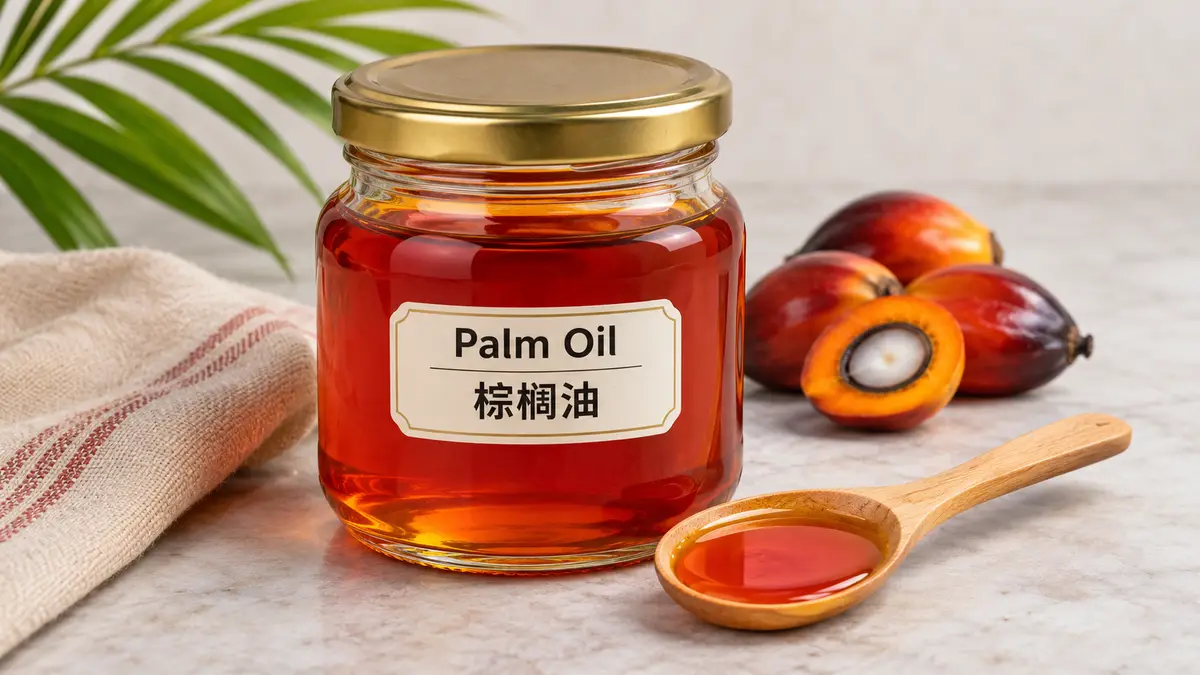
Duty depends on processing and fraction
Read from the UK Trade Tariff on 29 September 2026, heading 1511 covers palm oil and its fractions, refined or not, but not chemically modified. Relevant food-use lines carry 2% for crude oil, 8% for other oil excluding solid fractions, and 10% or 12% for solid fractions depending on packing. The selected lines show no anti-dumping or countervailing duty and no suspension. The trade name red palm oil alone does not establish the commodity code.
The selected lines attach organic import controls. For organic goods from China entering Great Britain, obtain a certificate of inspection for each consignment and check that the exporter’s control body and country or territory of export appear on the non-UK organic registers. The certificate is issued by the exporter’s control body. Confirm the proposed supplier and certification route before ordering organic-labelled oil.
The tariff also attaches waste import and export controls. Waste shipment controls apply only if the material is waste. For imports into England under notification controls, the exporter applies to the dispatch authority; shipment follows consent from the Environment Agency and other authorities involved. Ask your customs broker to confirm the attached controls and commodity code against the processing records, fraction and packing. See the wider palm oil guide.
| Goods | Commodity code | Duty | Anti-dumping or countervailing duty on China |
|---|---|---|---|
| Crude red palm oil for food use | 1511 10 90 00 | 2% | None |
| Processed red palm oil, other than solid fractions | 1511 90 99 00 | 8% | None |
| Red palm oil solid fractions in immediate packs not exceeding 1 kg | 1511 90 11 00 | 12% | None |
| Other red palm oil solid fractions for food use | 1511 90 19 90 | 10% | None |
Specify the red oil, processing and source
Specify edible red palm oil, whether crude or processed, and whether it is whole oil or a separated fraction. Record the refining steps, agreed colour range, carotenoid content if part of the purchase specification, flavour, free fatty acids, peroxide value, moisture and insoluble impurities. Agree test methods and acceptance criteria with the laboratory.
Ask the Chinese supplier to identify the original oil producer, origin of the oil, processing plant and packing site. Obtain batch records connecting the incoming oil to the finished drums or jars. Agree packaging, seal type, storage conditions and remaining shelf life on arrival. Use factory verification to check the actual operation.
Imported cooking oil must meet the same or equivalent food hygiene and compositional standards as food produced in Great Britain. A health certificate is not normally needed for cooking oil. Agree a product-specific contaminant testing plan rather than accepting a generic supplier certificate.
Worked duty example
Illustrative example, not a quote: Illustrative order: 2 tonnes of crude red palm oil for food use in sealed drums under 1511 10 90 00, invoiced at £4,000 free on board, with £2,500 of freight and insurance to the UK. The customs value is £6,500. Duty at 2% is £130. Import VAT at 20% is charged on the customs value plus duty, £6,630, so it is £1,326. Import taxes total £1,456; a VAT-registered importer can usually reclaim the VAT, so the lasting cost is the £130 of duty. The import duty and VAT guide explains each step. This assumes the goods are standard-rated for VAT. Most food for human consumption is zero-rated, and animal feed can be too, in which case no import VAT is due, so check the rate for your product in HMRC's VAT Notice 701/14.
Inspection checklist
Identity: compare the shipment with the approved sample and processing records. Check that whole oil, liquid fractions and solid fractions have not been substituted.
Colour and analysis: independently sample the batch for Sudan dyes and the agreed quality indicators. Sudan dyes cannot be used in food; a red appearance does not establish authenticity.
Packing: inspect seals, leaks, drum cleanliness, fill quantity and batch identification on arrival. Compare odour, sediment and colour with the retained sample before releasing the batch.
Labels and records: check the product name, date marking, storage instructions and batch details against the order. Pre-packed food sold in Great Britain must include a UK food business operator address, or a UK importer address where the operator is outside the UK.
Working out your own order? Send us the product on WhatsApp and we reply the same working day: WhatsApp us
What goes wrong
A sample can match the desired colour while the shipment differs in processing, flavour or oxidation. Treat an unexplained colour change, off-odour, sediment or broken seal as a reason to hold the batch and investigate. Colour matching alone is inadequate because Sudan dye adulteration is a documented red palm oil risk.
Another failure is buying from a trader without records linking the oil to its producer and processing plant. Obtain the batch documents and independent results before dispatch, then reconcile them with the delivered goods. Set the sampling and release process through the quality inspection guide.
Cambridge China Bridge sources these products for UK businesses, checking the factory and the documents before shipment. See factory verification. For repeat volumes, see container programmes.
Frequently asked questions
What is the UK import duty on red palm oil from China?
The relevant food-use lines carry 2% for crude oil, 8% for other oil excluding solid fractions, and 10% or 12% for solid fractions. Processing and packing determine the line.
Does a red colour prove palm oil is genuine?
No. Compare processing records and independent batch results with the specification. Include Sudan dye testing; these dyes cannot be used in food.
Can I import organic red palm oil from China?
For Great Britain, each organic consignment needs a certificate of inspection. Check the exporter’s control body and country or territory of export against the non-UK organic registers.
What should I ask a Chinese red palm oil supplier?
Ask who produced the original oil, where it originated, how it was processed and packed, and which records connect the offered batch to those operations.
Sources
- UK Trade Tariff — commodity codes and duty
- Food Standards Agency: importing cooking oils
- Importing organic food, feed and seed to the UK
- Waste: export and import
- Food labelling: giving food information to consumers
- Food Standards Agency: Mother Africa palm oil Sudan dye recall
- HMRC — Food products (VAT Notice 701/14)