Sourcing palm olein from China
Palm olein from China carries ordinary UK duty of 4% to 8%, with a conditional industrial suspension to 0%. Edible palm olein normally falls under 1511 90 99 00 at 8%. Confirm the applicable food labelling, hygiene and contaminant requirements for edible supplies with the relevant food authority. Cambridge China Bridge sources palm olein.
Buying from China for a business? How our UK China sourcing agent service works · China sourcing agent for small orders and first imports
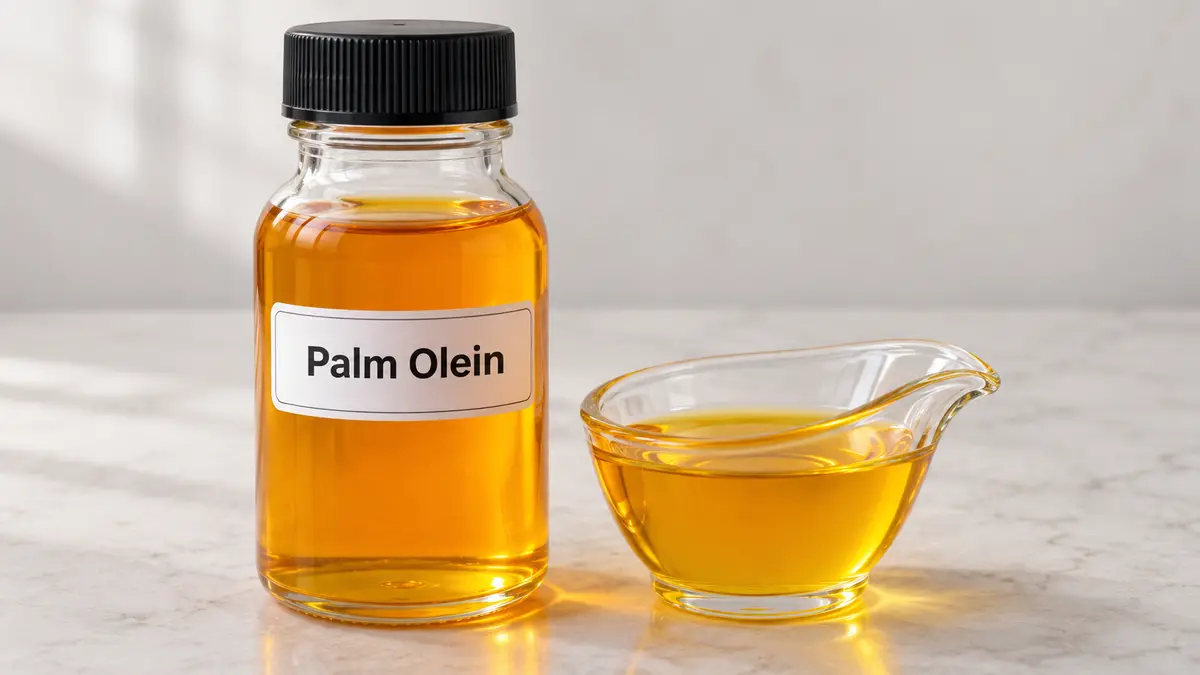
Edible palm olein: 8% duty
Read from the UK Trade Tariff on 29 September 2026, heading 1511 covers palm oil and its fractions, whether or not refined, but not chemically modified. This guide focuses on palm olein, the liquid fraction. The table shows bulk and retail edible supplies under the same code. See the wider palm oil guide, and confirm the commodity code against composition and intended use.
For goods of Chinese origin, edible palm olein under 1511 90 99 00 carries 8%. Non-food technical or industrial olein under 1511 90 91 90 carries 4%. The listed manufacturing-use line 1511 90 91 20 also carries 4%, with an autonomous suspension to 0% for qualifying goods. That suspension excludes mixtures, preparations and products made up of different components containing these products. The supplied records show no anti-dumping or countervailing duty on these lines.
The tariff attaches organic import control to the edible line and waste import and export controls to all listed codes. For organic orders, arrange the certificate of inspection with the exporter’s control body; the importing company must be based and certified in the UK. Confirm the consignment requirements with your customs broker. Waste shipment controls apply only when the material is waste; confirm any waste classification and movement requirements with your broker before shipment.
| Goods | Commodity code | Duty | Anti-dumping or countervailing duty on China |
|---|---|---|---|
| Edible palm olein, bulk packs | 1511 90 99 00 | 8% | None |
| Palm olein for technical or industrial use, excluding human food | 1511 90 91 90 | 4% | None |
| Industrial palm olein for the listed manufacturing uses | 1511 90 91 20 | 4% | None |
Specify the palm olein fraction and frying performance
Specify pure palm olein or any added oils, the refining and fractionation process, intended food or industrial use, iodine value, cloud point, free fatty acids, peroxide value, moisture and insoluble impurities. Agree test methods and acceptance criteria with the supplier. Match the cloud point to your storage conditions and test an approved sample in your actual frying process.
Agree colour, odour, shelf life, storage instructions, packing material and seal design. For edible supplies, confirm the applicable food labelling and hygiene rules, together with contaminant limits for oils and fats, with the relevant food authority. Ask for batch analysis and relevant contaminant testing. Verify the refining plant and batch records through factory verification.
Worked duty example
Illustrative example, not a quote: Illustrative order: 20 tonnes of edible palm olein under 1511 90 99 00, invoiced at £30,000 free on board, with £2,500 of freight and insurance to the UK. The customs value is £32,500. Duty at 8% is £2,600. Import VAT at 20% is charged on the customs value plus duty, £35,100, so it is £7,020. Import taxes total £9,620; a VAT-registered importer can usually reclaim the VAT, so the lasting cost is the £2,600 of duty. The import duty and VAT guide explains each step. This assumes the goods are standard-rated for VAT. Most food for human consumption is zero-rated, and animal feed can be too, in which case no import VAT is due, so check the rate for your product in HMRC's VAT Notice 701/14.
Inspection checklist
Identity: match batch numbers, declared composition and fractionation records to the order; investigate undeclared blending or a different palm fraction.
Condition: sample for odour, colour, cloud point and oxidation indicators; compare results with the agreed specification and retained sample.
Packing: check seals, leaks, cleanliness and evidence of water ingress; examine bulk transport equipment and previous-cargo records.
Documents: match analysis reports, labels and storage instructions to the delivered batch; review organic documents where applicable. Use the inspection guide to prepare the inspection brief.
Working out your own order? Send us the product on WhatsApp and we reply the same working day: WhatsApp us
What goes wrong
Palm olein can become cloudy or crystallise when cooled. An unsuitable cloud point can obstruct handling or make retail packs look inconsistent. Investigate against the agreed temperature conditions rather than judging appearance alone. Undeclared blends, excess moisture, oxidation and damaged seals can also make a batch unsuitable.
A supplier’s generic analysis sheet may describe a different batch or fraction. Obtain batch-specific results, retain samples and agree how disputed tests will be repeated. Do not assume an edible order qualifies for the industrial suspension; match the actual intended use to the tariff description before ordering.
Cambridge China Bridge sources these products for UK businesses, checking the factory and the documents before shipment. See factory verification. For repeat volumes, see container programmes.
Frequently asked questions
What is the UK import duty on palm olein from China?
Edible palm olein under 1511 90 99 00 carries 8%; non-food technical or industrial lines carry 4%. Qualifying listed manufacturing uses have a suspension to 0%.
Does palm olein need an import health certificate?
Official cooking-oil guidance for England and Wales says a health certificate is not normally needed. Confirm the requirements for your exact product and destination before shipment.
What paperwork should I check for organic palm olein?
Check your UK organic certification and arrange the certificate of inspection with the exporter’s control body. Ask your customs broker to confirm the requirements for the consignment.
Why has my palm olein become cloudy?
Cooling can cause crystallisation. Check the agreed cloud point and storage conditions, then compare a sample with the specification. Cloudiness alone does not establish contamination.