Sourcing raw sheep skins from China
UK duty is 0% across the listed raw sheep and lamb skin lines. Import eligibility depends on treatment and origin, so confirm the veterinary route before ordering from China. The tariff also attaches CITES controls; check species identity. Cambridge China Bridge sources raw sheep and lamb skins.
Buying from China for a business? How our UK China sourcing agent service works · China sourcing agent for small orders and first imports
Duty and treatment-dependent import controls
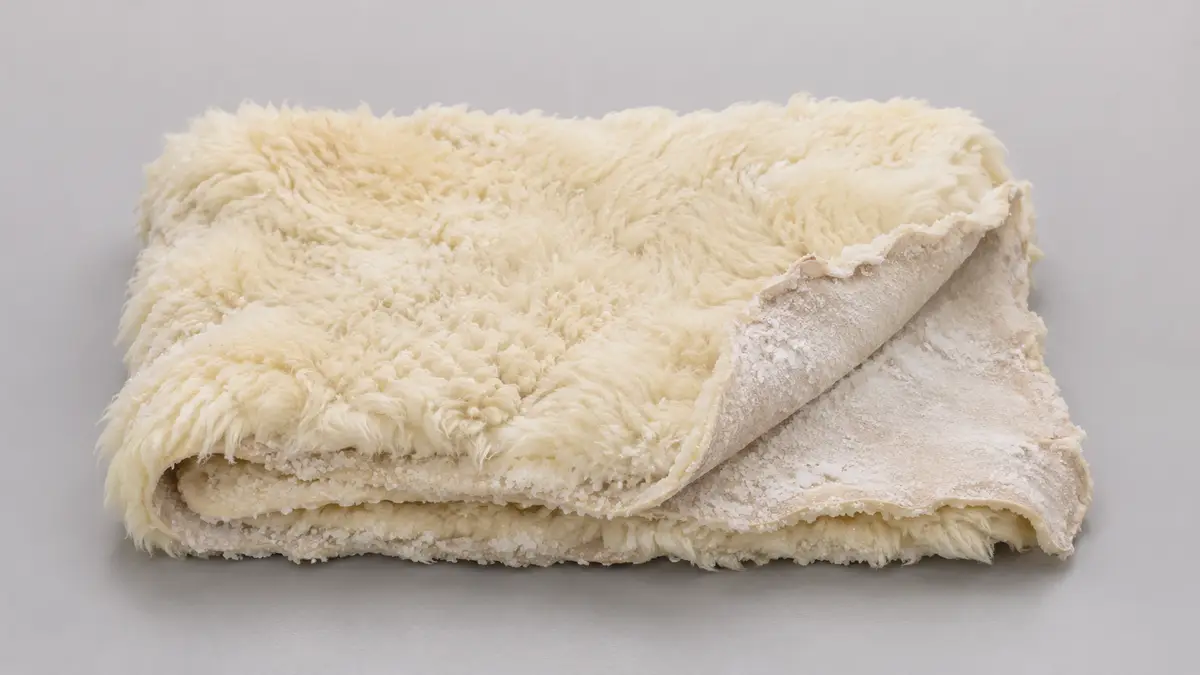
Heading 4102 covers raw sheep and lamb skins, with or without wool, including fresh, salted, dried, limed and pickled skins. It excludes tanned, parchment-dressed or further-prepared skins and the skins excluded by the heading's chapter note. Specify the actual processing stage rather than relying on the supplier's description of 'sheepskin'.
Read from the UK Trade Tariff on 18 November 2026, the supplied tariff data shows 0% duty throughout, with no anti-dumping or countervailing measures or suspensions listed. It attaches veterinary control and CITES import and export controls to every line. Confirm the applicable veterinary documents and release requirement with your customs broker. For CITES-listed specimens moving into or out of Great Britain, a permit application is required.
Fresh or chilled skins must originate where fresh meat imports of the same species are authorised. Do not assume a Chinese shipment qualifies. Ask your broker to confirm origin eligibility and treatment-specific requirements before dispatch. This guide's animal-health guidance concerns Great Britain; obtain separate advice for Northern Ireland. Use finding your commodity code to check the classification against the skin's wool status and preservation method.
| Goods | Commodity code | Duty | Anti-dumping or countervailing duty on China |
|---|---|---|---|
| Raw lamb skins with wool on | 4102 10 10 00 | 0% | None |
| Other raw sheep skins with wool on | 4102 10 90 00 | 0% | None |
| Pickled sheep or lamb skins without wool | 4102 21 00 00 | 0% | None |
| Other raw sheep or lamb skins without wool | 4102 29 00 00 | 0% | None |
Specify the pelt and its preservation
State sheep or lamb, wool-on or wool-off, whole or split, preservation method and intended tanning process. Agree usable area, thickness profile, trimming, grading and acceptable cuts, scars and holes. For wool-on skins, specify fleece colour, length, cleanliness and resistance to shedding. Record how area and weight will be measured so that salt or moisture does not distort comparisons.
Ask for batch-linked treatment records, origin records and photographs of opened bundles. APHA guidance says treated skins outside its specified treatment exemptions must accompany the appropriate model health certificate. Have your broker confirm which route the proposed Chinese batch meets. Agree packaging that contains residual liquid and keeps batch identities separate. Arrange factory verification before relying on a supplier's processing claims.
Worked duty example
Illustrative example, not a quote: Illustrative batch of pickled pelts for a small tannery; values are hypothetical, not supplier quotations under 4102 21 00 00, invoiced at £10,000 free on board, with £200 of freight and insurance to the UK. The customs value is £10,200. Duty at 0% is £0. Import VAT at 20% is charged on the customs value plus duty, £10,200, so it is £2,040. With no duty, the only import tax is the VAT, which a VAT-registered importer can usually reclaim. The import duty and VAT guide explains each step.
Inspection checklist
Identity: match sheep or lamb, wool status and preservation method to the order and batch records.
Surface: open bundles and examine usable area, flaying cuts, holes, scars and uneven trimming.
Preservation: check for mould, putrefaction, wet pockets, uneven salt coverage and leaking packaging.
Wool and grading: check shedding, contamination and grade consistency against the approved sample. Define these checks in your inspection brief.
Working out your own order? Send us the product on WhatsApp and we reply the same working day: WhatsApp us
What goes wrong
A sample can conceal a mixed-grade batch. Heavy salt, retained moisture and generous trimming can make weight-based comparisons misleading. Record the agreed measurement basis and photograph defects before processing, when the original condition is still visible.
A duty-free code does not establish animal-health eligibility. 'Preserved' is too vague to select an import route. Resolve the origin, treatment and document questions before loading, rather than trying to explain an unidentified batch at the border.
Cambridge China Bridge sources these products for UK businesses, checking the factory and the documents before shipment. See factory verification. For repeat volumes, see container programmes.
Frequently asked questions
What is the UK import duty on raw sheep skins from China?
The supplied tariff data shows 0% for every listed line under heading 4102, with no anti-dumping or countervailing duty or suspensions listed.
Can I import fresh sheep skins from China?
Do not assume eligibility. Fresh or chilled skins must come from an origin authorised for fresh meat of the same species. Ask your broker to confirm whether the proposed Chinese origin qualifies.
Does every preserved skin need a health certificate?
Treatment matters. APHA distinguishes specified treatment exemptions from other treated skins, for which it requires the appropriate model health certificate. Have your broker assess the actual process.
What should I put in a raw sheepskin specification?
Specify sheep or lamb, wool status, preservation, usable area, thickness, trimming, defect grades and measurement basis. For wool-on skins, include fleece condition and shedding checks.