Sourcing raw camellia seeds from China
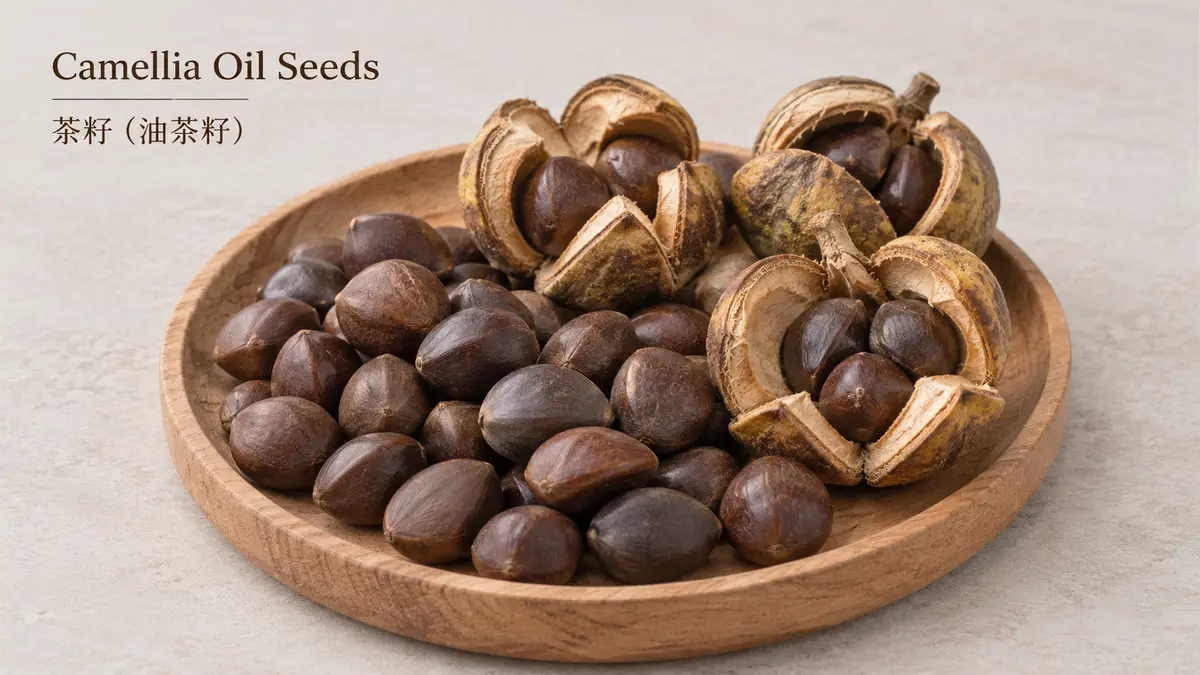
Raw camellia seeds from China carry 0% UK duty under the relevant other oilseed lines, with no anti-dumping or countervailing duty recorded. Organic consignments need an endorsed certificate of inspection before release. Specify the species and whether the seeds are for pressing or sowing. Cambridge China Bridge sources raw camellia seeds.
Buying from China for a business? How our UK China sourcing agent service works · China sourcing agent for small orders and first imports
Zero duty, with end-use checks
Read from the UK Trade Tariff on 1 October 2026, heading 1207 covers other oil seeds and oleaginous fruits, whether or not broken. Raw camellia seeds for pressing are candidates for 1207 99 96 90; seeds for sowing are candidates for 1207 99 20 90. The table separates buying forms that can share a code.
Both relevant lines carry 0% duty for goods from China. The supplied tariff record lists no anti-dumping duty, countervailing duty or suspension, and attaches an organic import control. Organic produce needs an endorsed certificate of inspection before release into free circulation. Confirm the paperwork with your customs broker before shipment.
Confirm the species, processing and intended use through our commodity code guide. For the extracted product, see camellia seed oil. Do not use an oil specification as the purchase specification for raw seeds.
| Goods | Commodity code | Duty | Anti-dumping or countervailing duty on China |
|---|---|---|---|
| Raw whole camellia seeds for pressing | 1207 99 96 90 | 0% | None |
| Camellia seeds for sowing, subject to classification confirmation | 1207 99 20 90 | 0% | None |
Specify the seed and the pressing result
Write the botanical species, harvest lot, origin and intended use into the order. Specify whole seeds or kernels, shell content, broken material, foreign matter, moisture and packing. For pressing trials, agree how oil content and extraction yield will be measured, including whether results refer to dry material or the delivered seeds.
For food use, confirm applicable aflatoxin and pesticide residue requirements with the relevant food authority. Check the novelty status of the exact species and intended food use before offering raw seeds as an ingredient; novel foods need authorisation before sale in Great Britain. For sowing, confirm the plant health risk category and applicable controls with the plant health authority before ordering.
Worked duty example
Illustrative example, not a quote: Illustrative order: 500 kg of raw camellia seeds for a pressing trial under 1207 99 96 90, invoiced at £2,500 free on board, with £900 of freight and insurance to the UK. The customs value is £3,400. Duty at 0% is £0. Import VAT at 20% is charged on the customs value plus duty, £3,400, so it is £680. With no duty, the only import tax is the VAT, which a VAT-registered importer can usually reclaim. The import duty and VAT guide explains each step. This assumes the goods are standard-rated for VAT. Most food for human consumption is zero-rated, and animal feed can be too, in which case no import VAT is due, so check the rate for your product in HMRC's VAT Notice 701/14.
Inspection checklist
Identity: compare the species declaration and seed appearance with the agreed sample; investigate mixed seeds or inconsistent shell and kernel proportions.
Condition: measure moisture on representative samples and check for mould, insects, damp bags and musty or rancid odours.
Pressing quality: compare oil content and a trial extraction with the agreed method; inspect broken material, stones, stalks and empty shells.
Batch records: match bag markings to harvest lots, sample records and laboratory reports; retain sealed samples. Check organic paperwork where applicable. See our quality inspection guide.
Working out your own order? Send us the product on WhatsApp and we reply the same working day: WhatsApp us
What goes wrong
A quotation for whole seeds can be mistaken for a quotation for kernels, making the usable material and pressing result hard to compare. Mixed harvest lots, excess shells and foreign matter can also undermine a trial. Specify the delivered form and test method before comparing suppliers.
Damp storage and wet packing can leave seeds mouldy or rancid on arrival. Keep suspect lots separate while you investigate. A pressing sample does not establish suitability for direct food sale or sowing, and an organic claim needs its import documentation checked before dispatch.
Cambridge China Bridge sources these products for UK businesses, checking the factory and the documents before shipment. See factory verification. For repeat volumes, see container programmes.
Frequently asked questions
What is the UK import duty on raw camellia seeds from China?
The relevant other oilseed lines carry 0% duty, with no anti-dumping or countervailing duty recorded in the supplied tariff facts. Confirm the code against the species, processing and intended use.
Can I sell raw camellia seeds as food?
Check the exact species and intended use first. Novel foods need authorisation before sale in Great Britain. For food-use seeds, confirm applicable aflatoxin and pesticide residue requirements with the relevant food authority.
Can I import organic camellia seeds from China?
The tariff attaches an organic import control. Confirm the consignment paperwork with your broker.
What should I check before buying camellia seeds for pressing?
Agree species, whole seeds or kernels, moisture, shell content, foreign matter and the oil-content test method. Compare a representative pressing trial and keep its sample linked to the shipment lot.