Sourcing raw blanched peanut kernels from China
Raw blanched peanut kernels from China carry 0% UK duty when they remain uncooked under heading 1202. Chinese groundnuts face increased aflatoxin controls in Great Britain, with pre-notification and a finalised health entry document before release. Check the skin-removal process before classification. Cambridge China Bridge sources raw blanched peanut kernels.
Buying from China for a business? How our UK China sourcing agent service works · China sourcing agent for small orders and first imports
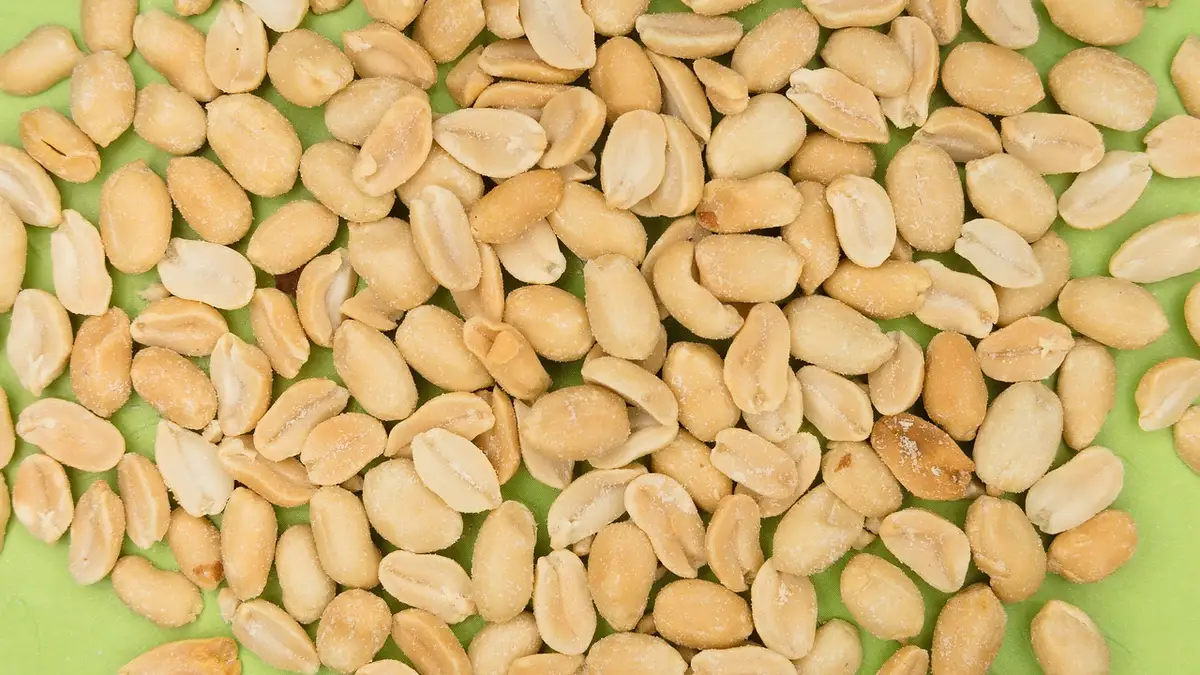
0% duty for uncooked shelled kernels
Read from the UK Trade Tariff on 16 November 2026, heading 1202 covers groundnuts that are not roasted or otherwise cooked, whether shelled or broken. Raw blanched kernels should be checked against 1202 42 00 00. The table shows commercial forms within that same tariff line. Obtain the factory's skin-removal process description and confirm the commodity code with your broker, particularly where heat is used.
The Chinese-origin duty is 0%, with no anti-dumping or countervailing duty and no suspension listed. The tariff attaches a restriction on release for free circulation. Before importing Chinese groundnuts into Great Britain, confirm the applicable aflatoxin controls, consignment pre-notification and finalised CHED-D requirements with the relevant port health authority or your customs broker. Restricted products must enter through a designated border control point. The wider raw peanuts and groundnuts guide explains the heading.
The tariff also attaches an organic import control. Organic consignments from China need a Great Britain certificate of inspection; confirm the importer and exporter arrangements before ordering. Ask HMRC or your customs broker to confirm the VAT treatment of raw nuts for human consumption, taking account of the actual blanching process and end use. The worked order is illustrative, with values reused from the wider guide. See UK import duty and VAT.
| Goods | Commodity code | Duty | Anti-dumping or countervailing duty on China |
|---|---|---|---|
| Raw blanched peanut kernels, whole | 1202 42 00 00 | 0% | None |
Specify skin removal and kernel grade
Describe the product as shelled, skin-removed peanut kernels supplied raw. Ask how skins are loosened and removed, how the kernels are dried and whether any roasting, cooking, salt or oil is involved. Agree the intended use, such as bakery ingredients or further processing, rather than relying on the word 'blanched'.
Specify variety, kernel size or count, whole kernels versus splits, acceptable residual skin, discoloured kernels, foreign matter and moisture. Agree a reference sample and the sampling method. Request lot-specific aflatoxin results and discuss microbiological testing with the receiving food manufacturer. Include ingredient and allergen information in the product specification; where an ingredients list is used on prepacked food, allergens must be emphasised.
Worked duty example
Illustrative example, not a quote: 20 tonnes of raw blanched peanut kernels for a food processor, illustrative only under 1202 42 00 00, invoiced at £26,000 free on board, with £2,500 of freight and insurance to the UK. The customs value is £28,500. Duty at 0% is £0. Import VAT at 20% is charged on the customs value plus duty, £28,500, so it is £5,700. With no duty, the only import tax is the VAT, which a VAT-registered importer can usually reclaim. The import duty and VAT guide explains each step. This assumes the goods are standard-rated for VAT. Most food for human consumption is zero-rated, and animal feed can be too, in which case no import VAT is due, so check the rate for your product in HMRC's VAT Notice 701/14.
Inspection checklist
Skin removal and grade: compare drawn samples with the approved sample for residual skin, colour, size, splits, chipped kernels and foreign matter.
Condition on arrival: check for damp bags, condensation, insects, mould, clumping and rancid odour; hold suspect stock apart while it is assessed.
Testing and lot identity: match bag lot codes to the aflatoxin report and shipment records; arrange representative sampling and keep sealed retained samples. Use the quality inspection guide to brief the inspection.
Packing and entry documents: check clean food-grade liners, intact seals and consistent lot markings; confirm pre-notification and health entry documents, plus the inspection certificate for organic consignments.
Working out your own order? Send us the product on WhatsApp and we reply the same working day: WhatsApp us
What goes wrong
A skinless appearance does not establish the processing history or the aflatoxin result. Orders can arrive with excessive splits, residual skins, uneven colour or damp packing. A report for a different production lot provides little assurance about the delivered kernels.
Missing pre-notification or an unfinished health entry document can delay release. Failed aflatoxin checks can prevent release altogether. Agree who supplies the batch records, who arranges border paperwork and how a rejected lot will be handled before shipment.
Cambridge China Bridge sources these products for UK businesses, checking the factory and the documents before shipment. See factory verification. For repeat volumes, see container programmes.
Frequently asked questions
What is the UK import duty on raw blanched peanut kernels from China?
The supplied tariff reading shows 0% duty under 1202 42 00 00, with no anti-dumping or countervailing duty. Confirm that the processing leaves the kernels uncooked.
Does blanching change the peanut commodity code?
Ask for the actual skin-removal and heat-treatment process. Heading 1202 covers groundnuts that are not roasted or otherwise cooked; have your broker confirm the code from those details.
Do Chinese blanched peanuts need border checks?
Confirm the applicable aflatoxin controls for Chinese groundnuts with the relevant port health authority or your customs broker. Restricted products must enter Great Britain through a designated border control point; confirm consignment pre-notification and finalised CHED-D requirements before shipment.
What should I check before accepting blanched peanut kernels?
Check residual skins, size, whole kernels and splits, moisture, odour and packing. Match the delivered lot codes to the aflatoxin report and compare representative samples with the agreed grade.