Sourcing raw apricot kernels from China
Raw apricot kernels from China carry 0% UK duty across the listed raw forms, with no trade remedies. FSA guidance says bitter and sweet kernels should not be sold for human consumption unless cyanide meets the 20 mg/kg maximum. Organic imports need separate paperwork. Cambridge China Bridge sources raw apricot kernels.
Buying from China for a business? How our UK China sourcing agent service works · China sourcing agent for small orders and first imports
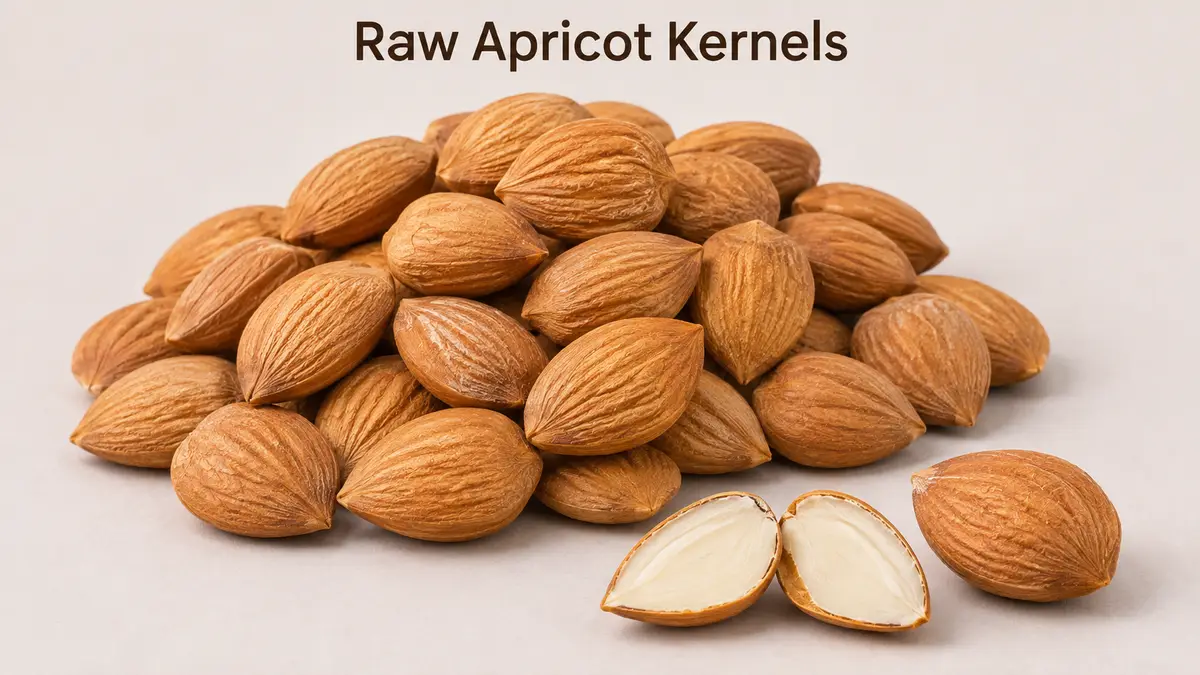
Zero duty on raw apricot kernels
Read from the UK Trade Tariff on 30 September 2026, heading 1212 covers fruit stones and kernels alongside other vegetable products primarily used for human consumption. The dedicated line 1212 99 95 20 covers unprocessed whole, ground, milled, cracked and chopped apricot kernels intended for the final consumer. The table separates forms sharing this code.
The supplied tariff record gives this Chinese-origin line 0% duty, with no anti-dumping or countervailing measure and no suspension listed. It attaches an organic-products import control. For organic consignments from China into Great Britain, obtain a certificate of inspection for each consignment and check the exporter’s control body and export country against the recognised organic registers.
Confirm the intended use and processing with your broker before declaring the commodity code. Kernels for further processing need a separate classification check rather than an assumption that the final-consumer line applies. For oil sourcing, see apricot kernel oil.
| Goods | Commodity code | Duty | Anti-dumping or countervailing duty on China |
|---|---|---|---|
| Unprocessed whole apricot kernels for the final consumer | 1212 99 95 20 | 0% | None |
Specify variety, end use and cyanide evidence
Specify apricot kernels rather than almonds, the bitter or sweet variety, whole or broken form, skin condition, size, foreign matter, moisture and packaging. Agree a retained reference sample and batch-specific laboratory testing before shipment. Ask the laboratory to explain what its cyanide result measures; a supplier’s description of sweetness is not a test result.
FSA guidance for England and Wales says raw bitter and sweet apricot kernels should not be sold for human consumption unless cyanide complies with the 20 mg/kg maximum. The food business operator is responsible for providing compliance evidence. Ask for results linked to the actual shipment through testing and certification.
For kernels intended for further processing, FSA advises clear evidence of that use on individual bags or boxes, or in the original accompanying documents. Agree the receiving processor and destination before ordering; do not treat processing stock as interchangeable with consumer-ready kernels.
Worked duty example
Illustrative example, not a quote: 500 kg of whole raw apricot kernels for retail packing; illustrative order only under 1212 99 95 20, invoiced at £2,500 free on board, with £900 of freight and insurance to the UK. The customs value is £3,400. Duty at 0% is £0. Import VAT at 20% is charged on the customs value plus duty, £3,400, so it is £680. With no duty, the only import tax is the VAT, which a VAT-registered importer can usually reclaim. The import duty and VAT guide explains each step. This assumes the goods are standard-rated for VAT. Most food for human consumption is zero-rated, and animal feed can be too, in which case no import VAT is due, so check the rate for your product in HMRC's VAT Notice 701/14.
Inspection checklist
Cyanide: check the report identifies the shipment batch and the sampled product form; compare the result with the applicable maximum before accepting consumer stock.
Identity and grade: check apricot-kernel identity, variety records, size, broken pieces, shell fragments and foreign matter against the agreed sample. Avoid tasting raw kernels as an inspection method.
Condition and packing: check moisture, mould, insect damage, off odours and bag seals on arrival; retain samples and photographs of discrepancies.
Labels and papers: check food name, net quantity, lot identification, storage information and business details against the agreed label review. For organic orders, reconcile the inspection certificate with the shipment. See quality inspection.
Working out your own order? Send us the product on WhatsApp and we reply the same working day: WhatsApp us
What goes wrong
A sweet-variety description is accepted instead of cyanide evidence, or a report covers a sample unrelated to the shipment. FSA’s advice covers both bitter and sweet varieties. Make a matching batch report an acceptance condition and keep uncertain stock separate while investigating.
Mixed grades, shell fragments and damp packing create quality disputes. Processing-only stock can also arrive with consumer packaging, leaving the intended use unclear. Organic paperwork can be overlooked because the duty is zero. Review the sample, end-use documents and shipment records together before dispatch.
Cambridge China Bridge sources these products for UK businesses, checking the factory and the documents before shipment. See factory verification. For repeat volumes, see container programmes.
Frequently asked questions
What is the UK import duty on raw apricot kernels from China?
The supplied tariff record gives 1212 99 95 20 a 0% duty rate for goods from China, with no anti-dumping or countervailing measure listed.
Can I sell sweet raw apricot kernels without cyanide testing?
A sweet-variety claim does not establish compliance. FSA guidance covers bitter and sweet kernels and says the food business operator must provide evidence of compliance with the cyanide maximum.
What cyanide limit applies to raw apricot kernels?
FSA guidance for England and Wales specifies a maximum of 20 mg/kg for raw apricot kernels sold for human consumption, including whole, ground, milled, cracked and chopped forms.
What paperwork do organic apricot kernels from China need?
For Great Britain, each organic consignment needs a certificate of inspection. Check the exporter’s control body and export country against the recognised organic registers before shipment.